Detention charges and demurrage are two of the most misunderstood costs in heavy haul freight.
They are also two of the most expensive surprises on a freight invoice.
Most U.S. businesses that ship oversized or specialized loads expect to pay for the move.
They do not always expect to pay for the waiting. But waiting is exactly what generates these charges.
In heavy haul shipping, the cost of waiting is much higher than in standard trucking.
Specialized equipment is more expensive to keep idle. Escort vehicles have their own schedules and drivers have limited hours.
Detention charges for heavy haul equipment can run $60 to $90 per hour or more.
Demurrage adds a separate cost when equipment sits idle beyond the agreed free time.
It is critical to understand the difference between detention and demurrage. You need to know why these fees happen and how to stop them.
This is the best way for any heavy haul shipper to protect their budget.
Demurrage vs. Detention: What Is the Difference?
People often confuse these two terms. This mistake stops shippers from fighting extra fees they shouldn’t have to pay.
What Is Demurrage?
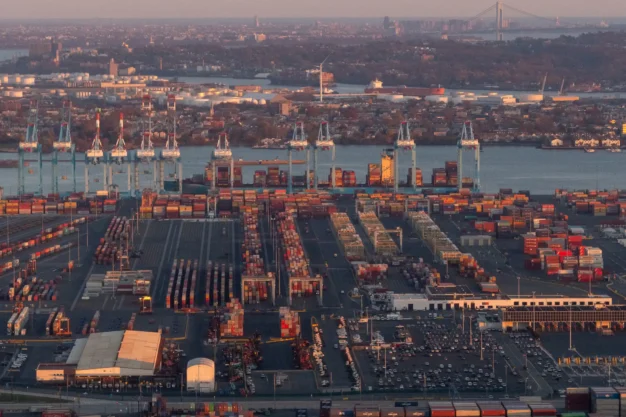
Demurrage is a fee for “parking” cargo or equipment at a port or facility for too long.
If a massive trailer arrives but can’t be loaded or moved on time, the owner of that trailer charges you for the delay.
The “late clock” starts as soon as the equipment arrives and doesn’t stop until work begins.
What Are Detention Charges?
Detention charges are fees you pay when a truck driver is forced to wait at your site for too long.
While a regular truck might cost $50 to $75 an hour for waiting, heavy haul trucks are much more expensive, often costing $90 or more per hour.
Think of it this way.
Demurrage is a fee for the trailer sitting still, while detention charges are for the driver’s wasted time.
Both are expensive, but you can usually avoid them with good planning.
Why the Confusion Costs Money
Many shippers don’t check the rules for detention charges or demurrage in their contracts before they ship a load.
When the bill arrives with extra fees, it is hard to fight them. If the carrier’s records show the truck was waiting, you will likely have to pay up.
The Federal Maritime Commission updated detention and demurrage billing rules in 2024 under the Ocean Shipping Reform Act.
While these rules started with ships at sea, they are now pushing the entire trucking industry—including heavy haul—to be more honest and clear about their fees.
Why Heavy Haul Makes Detention Charges More Expensive
A driver waiting an extra hour at a dock is a simple annoyance in standard trucking.
However, that same delay creates much bigger, overlapping problems for heavy haul shipping.
Specialized Equipment Is More Expensive to Keep Idle
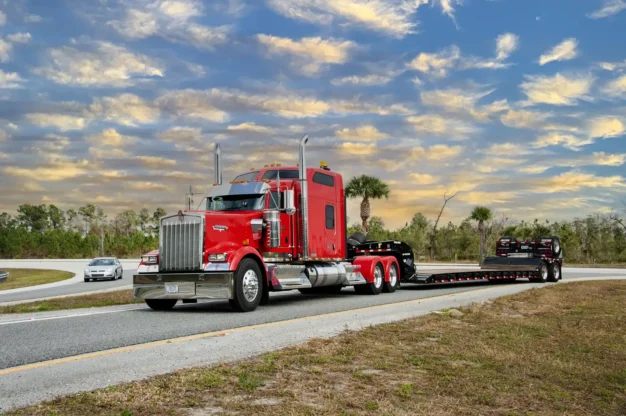
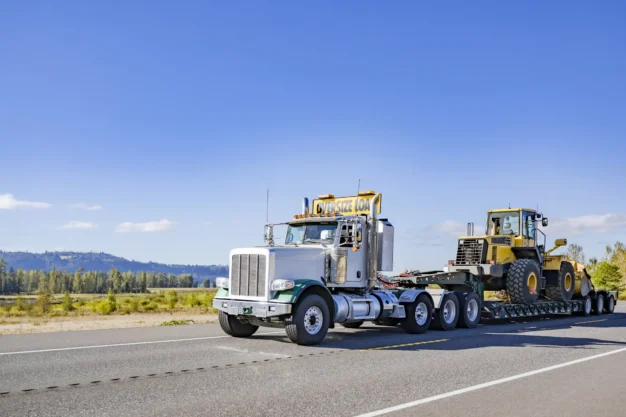
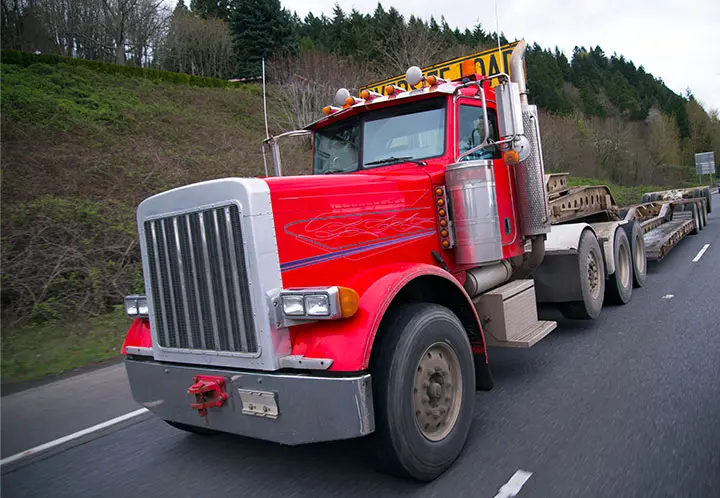
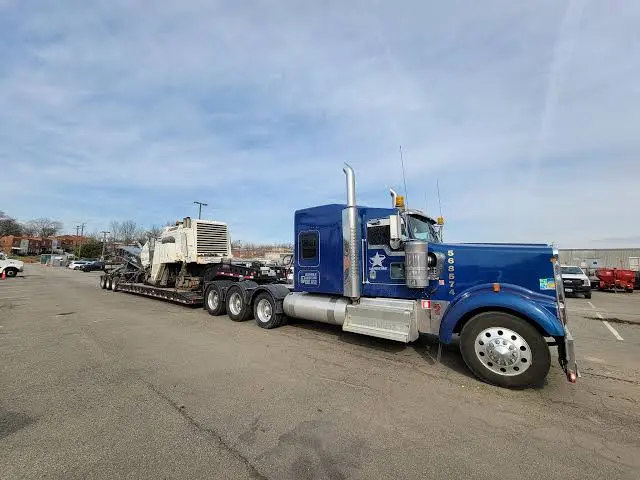
A lowboy trailer or a multi-axle heavy haul configuration represents significantly more capital than a standard dry van.
Heavy haul trucking companies price their equipment accordingly and their detention charges and demurrage rates reflect that cost.
Permits and Escort Vehicles Are Time-Sensitive
Most massive loads need special permits to travel.
These permits only allow the truck to be on the road during certain hours, specific days, or in good weather.
If a truck is delayed while loading, it might miss its “move window.” If that happens, the old permit becomes useless.
You have to apply for a brand-new permit, reschedule the escort cars, and plan the whole trip over again.
All of this adds extra work and costs much more money.
Driver Hours Are Tightly Regulated
Under FMCSA Hours of Service regulations, commercial drivers have a finite number of on-duty hours per day.
A heavy hauler kept waiting at a facility for two hours arrives at the destination with two fewer hours available.
If the delivery window requires more drive time than remaining hours allow, the driver must stop.
The load does not move until the next day.
That delay is a direct consequence of detention charges that were entirely avoidable with better preparation.
The Most Common Causes of Detention Charges in Heavy Haul
Most detention charges and demurrage fees in heavy haul freight are avoidable. They typically stem from a small set of recurring issues.
Site Not Ready at Arrival
The main cause of detention charges is a site that isn’t ready when the truck arrives.
This happens if the ground isn’t firm enough, the crane is missing, or the crew is late.
While the driver sits and waits for the site to get ready, the “late clock” keeps running and the costs go up.
Documentation Delays
Heavy haul loads need a lot of special paperwork, like weight tickets, route maps, and permits.
If even one document is missing or wrong when the truck arrives, the load cannot leave.
Every minute the driver spends waiting for the right papers adds to your detention charges.
Poor Coordination Between Stakeholders
Heavy haul shipping involves many people, including the shipper, the driver, permit agents, and escort car operators.
When these people don’t talk to each other, delays pile up quickly.
A missed escort car or a permit that wasn’t updated can stop the whole move.
If the customer isn’t ready for the delivery, the driver is stuck waiting.
Every time there is a breakdown in communication, you risk paying more in detention charges.
How to Minimize Detention Charges on Heavy Haul Loads
Reducing these charges requires proactive coordination before the load moves, not reactive dispute filing after the invoice arrives.
Confirm Site Readiness Before the Rig Departs
Before the truck starts its trip, call the site to make sure they are ready.
Check that the ground is solid, the loading tools are there, and the crew has arrived.
A five-minute phone call before the truck leaves can save you from paying two hours of detention charges later.
Have All Documentation Ready in Advance
Make sure all permits, weight tickets, and route maps are finished and checked before the shipping date.
Missing paperwork is one of the easiest mistakes to avoid.
By having everything ready, you won’t have to pay extra fees while a driver waits for the right documents.
Build Realistic Loading and Unloading Windows
One of the biggest reasons for detention charges is not giving yourself enough time to load or unload.
When you plan your schedule, be honest about how long it takes to move heavy equipment, tie it down, and inspect it.
Make sure everyone involved knows exactly how much time you have planned before the truck even shows up.
Work With a Logistics Partner Who Knows Heavy Haul
The best way to avoid detention charges is to work with a team that knows how heavy haul works.
A good partner will talk to everyone involved, including the driver, the crew, and the site, before the trip starts.
They make sure everything is ready so you don’t have to worry about expensive delays.
How Jansson LLC Helps Heavy Haul Shippers Avoid Unexpected Detention Charges And Demurrage Rates
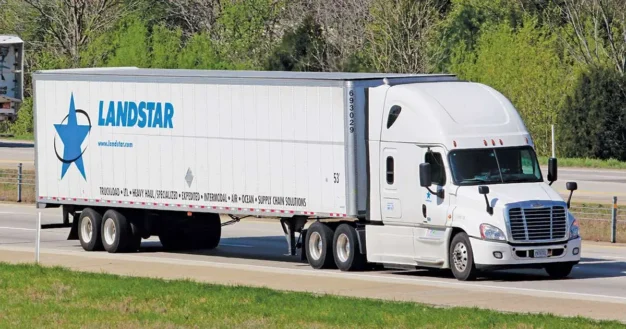
Jansson LLC is a Landstar freight agent with access to a huge network of trucks across the country.
They specialize in finding the right drivers for massive, oversized loads that need special permits to travel through different states.
Through their network, Jansson helps businesses find the perfect truck for the job.
They also help get all the paperwork and permits ready early and make sure everyone knows exactly what to do before the truck leaves.
Unexpected fees—detention charges and demurrage rates—can turn a good deal into a very expensive mistake.
Having a partner like Jansson to handle the planning keeps your final bill close to your original price.
Let’s build your heavy haul strategy together.
Connect with Jansson LLC to keep your loads moving and your costs exactly where they should be.