The hub-and-spoke system is the main reason a single shipping pallet traveling 500 miles can take three whole days to arrive.
Many business owners do not understand how this process works behind the scenes, and that confusion costs them a lot of money.
Without knowing the rules of LTL shipping, broken items, unexpected fees, and late deliveries feel like bad luck when they are actually predictable.
This system moves a massive amount of cargo, especially since the American LTL shipping market is expected to hit $118.68 billion in 2026.
The market is booming because online shopping is growing, more factories are moving back to the U.S., and stores need to ship smaller packages.
Every single dollar of that freight travels through this network.
This guide breaks down exactly how the system works so you can protect your business timeline and budget.
What Is the Hub-and-Spoke System?
Picture a basic bicycle wheel in your mind.
Metal lines stretch out from the center of the wheel in every single direction. Those matching lines are called the spokes.
The exact middle point where all those lines meet is called the hub.
Modern LTL shipments travel across the country using this exact same pattern.
Small local truck stations act just like the spokes on the bicycle wheel.
These local buildings are the closest pickup and delivery spots near your neighborhood warehouse.
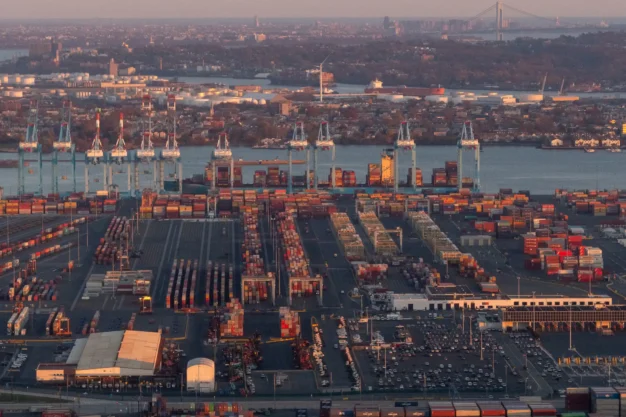
Huge regional sorting warehouses act as the main central hubs.
These giant buildings serve as the main spots where LTL freight from many different local trucks gets sorted, combined, and sent out again.
Traditional networks require your boxes to be moved from one truck to another at least two or three times before final delivery.
Every extra stop adds more physical work, hands-on sorting, and travel time.
This clever setup makes less-than-truckload (LTL) freight shipping very affordable for businesses that do not have enough cargo to fill a massive truck trailer all by themselves.
How Your LTL Freight Actually Moves
Let us track exactly what happens to your pallet from the minute it leaves your building.
Step 1 — Local pickup
A truck driver from the closest local spoke terminal picks up your cargo.
This truck will also collect boxes from several other businesses located in your neighborhood.
Your pallet will share space with items heading to completely different cities.
Step 2 — Arrival at the origin terminal
The driver finishes their daily route and returns to the local neighborhood station.
Night workers unpack the entire truck and sort every item by its final destination.
Your cargo gets grouped with matching LTL shipments going to the same general area of the country before moving into a giant trailer.
Step 3 — Linehaul to a hub
The heavy trailer travels overnight to a large regional hub facility that is often hundreds of miles away.
These major hubs are built to receive hundreds of pallets from dozens of local spoke stations at the exact same time.
Step 4 — Sorting and redistribution
Workers unload your boxes once again at the central hub building. Laser scanners and crews organize every single pallet by its next stop.
Your items are packed onto another truck heading to either a second hub or the local spoke terminal closest to your customer.
Step 5 — Final delivery
A local driver loads your cargo onto a smaller truck once the items reach the final destination spoke terminal.
This driver delivers your pallet right to your customer’s loading dock alongside other local packages.
Extra travel time accumulates quickly because of these steps.
One extra day is usually added to your timeline for the initial pickup, the midnight sorting at each warehouse, and the final delivery.
Moving a package across multiple states can easily take three to five days, even if the destination looks close on a map.
Why the System Exists
The hub-and-spoke system exists because of one simple economic fact.
Most companies do not make enough products to fill a whole semi-truck trailer.
Full truckload shipping moves your items straight from your door to your buyer without any middle stops.
That direct method is incredibly fast, but you must pay for the entire truck even if it sits half-empty.
Using less-than-truckload (LTL) shipping solves this big money problem by letting multiple companies share the cost of a single trailer.
Utilizing the hub-and-spoke system allows trucking companies to bundle small orders together through central warehouses.
This pooling method cuts total fuel costs and improves delivery speeds for everyday businesses.
Without this setup, small companies would have no cheap way to move cargo across the United States.
What the Hub-and-Spoke System Means for Your Shipments
Learning how the hub-and-spoke system works helps you set smart goals and make better planning choices.
Transit times take longer than you think
A short 400-mile journey might require three full days of travel because of all the stops and sorts.
Planning around these delays prevents you from breaking promises to your buyers.
More handling creates extra damage risks
Moving your boxes on and off different trucks increases the chances of accidents.
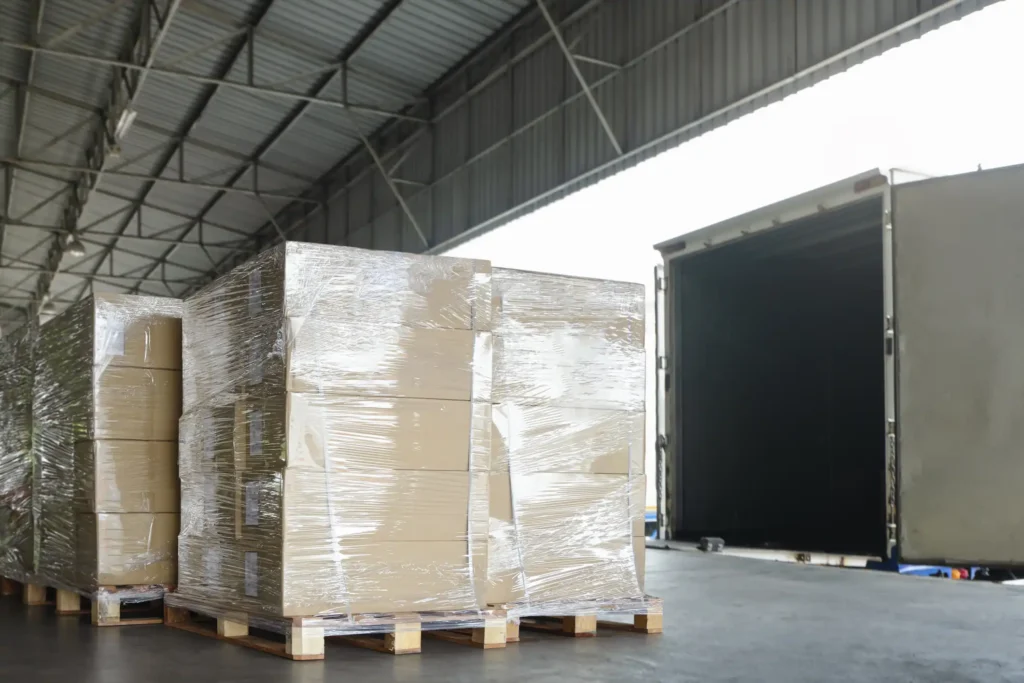
Using heavy-duty plastic wrap and clear labels protects your cargo during the trip.
Lane selection changes your success
Shipping paths between two major cities usually require fewer stops than routes heading out to rural country towns.
Knowing the exact path your cargo takes helps you avoid high-risk routes.
Timing alters your delivery window
Dropping off your cargo late in the afternoon might cause it to miss the nightly truck sort.
Tendering your items early in the morning gives your shipment the best chance to move quickly.
How to Work the System in Your Favor
This network setup is the true backbone of American shipping, so it is not going away anytime soon.
You can learn to play by the rules to get better results, though.
Try to pack your items early in the day so they hit the first nightly trucks. Wrap your boxes tightly to survive being moved by multiple forklifts.
Most importantly, find a helpful logistics partner who knows which trucking networks are the fastest on your specific shipping routes.
How Jansson LLC Uses the Hub-and-Spoke System to Ship LTL Smarter
Picking the right lanes and carriers for your unique business goals is the true secret to LTL shipping success.
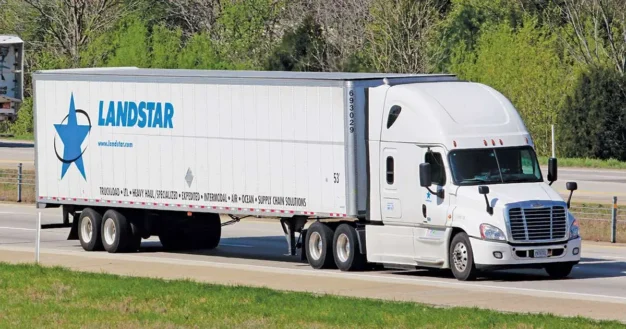
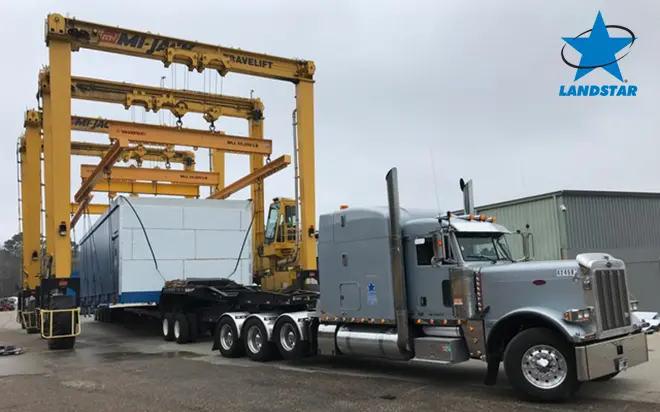
Jansson LLC operates as a trusted Landstar freight agent with direct access to a massive network of trucks across North America.
This relationship provides American companies with excellent routing options, vehicle choices, and cargo organization across many different states.
Working through this network allows Jansson LLC to find the absolute most efficient shipping paths for your specific business.
Our team can help you reduce the number of warehouse stops your cargo experiences to lower your overall damage risks.
You do not have to feel confused by the shipping industry anymore.
Partnering with a logistics team that understands the hub-and-spoke system keeps your business moving safely without any dark secrets.
Contact Jansson LLC today to build a custom plan that protects your cargo and your business timeline!