Freight spend volatility is a major challenge that businesses cannot simply wait to go away.
For companies that move goods in and out of the U.S., these price swings have become a normal part of international shipping.
The year 2026 is proving that costs can change fast and stay high for a long time.
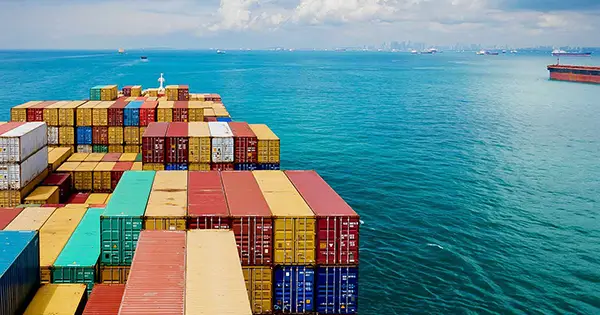
Much of this trouble comes from the way ships have to travel across the globe.
Since late 2023, attacks in the Red Sea have forced large ships to change their routes.
Instead of using the Suez Canal, they must now sail all the way around the bottom of Africa.
J.P. Morgan Research says that 30% of the world’s shipping containers usually go through the Suez Canal.
All those ships are now taking a much longer path. This adds 3,500 extra miles and up to two weeks of extra time to every single trip.
Conditions have not returned to normal yet.
Early in 2026, some ships tried to go back to the shorter route, but they had to turn around when the area became dangerous again.
Big shipping companies like CMA CGM and MSC told their ships to keep taking the long way as recently as March 2026.
Experts believe these delays will continue until at least 2027.
Your freight budget must operate in this difficult world. So, you need to decide if your business is strong enough to handle these rising costs.
What Is Actually Driving Your Costs Up
Knowing why prices are rising is the first step toward finding a way to navigate freight spend volatility.
Several big forces are pushing your costs higher right now.
Fuel surcharges are a huge factor because they change almost every week.
According to experts at the OECD, sailing all the way around southern Africa adds about 10 extra days to a ship’s trip.
A normal cargo ship burns roughly 100 extra tons of fuel every single day on this longer path.
This adds about $1 million in extra gas costs for each round trip.
Shipping companies do not pay for this themselves. Instead, they pass those huge costs directly to the people sending the goods.
General Rate Increases (GRIs) are another problem to watch. These are price hikes that shipping companies announce for specific paths.
Sometimes they give very little notice before the price goes up.
A GRI can add hundreds of dollars to a bill even if you booked the shipment weeks ago.
Port congestion happens when too many ships arrive at a harbor at the same time.
This creates a “traffic jam” in the water. Carriers charge extra fees to make up for the time their ships sit waiting at the docks.
Insurance and Security fees have also gone up. It costs more to protect a ship when it has to sail near areas with a lot of fighting.
These prices contribute to freight spend volatility and do not look like they will drop soon.
Equipment shortages occur because containers are spending more time out at sea.
When a trip takes longer, there are fewer empty boxes left at the ports for new shipments.
This shortage leads to even more delays and higher fees for everyone.
9 Ways to Take Back Control of Your Freight Budget
You cannot control the entire world, but you can control how you react.
Here are nine ways to help manage your freight spend volatility in 2026.
1. Add a Buffer to Your Budget
Stop planning your costs based only on the lowest price. Add an extra 15% to 25% to every shipment to cover unexpected fees.
If you don’t end up needing that money, it stays in your pocket as savings.
2. Lock in Long-Term Rates
Prices on the “spot market” jump up and down constantly.
Signing a contract for six months or a year gives you a steady price that you can trust. This makes your freight budget much easier to manage.
3. Ask for Clear Billing
Demand to see exactly what every extra fee covers. Many smart shippers have added rules to their contracts.
These rules say that fees must go down if the price of fuel or insurance drops.
4. Use Different Shipping Companies
Relying on just one carrier is risky.
If you have relationships with several companies, you have more choices. You can switch to a different ship if one company raises its prices too much.
5. Book Your Shipments Early
Waiting until the last minute always costs more money.
Try to book your shipments at least three or four weeks before you need them to move.
This gives you access to better prices and more space on the ships.
6. Plan for Longer Travel Times
Voyages are taking much longer than they did a few years ago. Supply chains that use old schedules are constantly running late.
Update your plans to include the extra two weeks of sailing time so your customers aren’t disappointed.
7. Check Your Buying Terms
If you buy goods with “delivered” terms, the seller chooses the shipping company.
This means you might be paying for their expensive choices.
Changing these terms can give you the power to pick a cheaper way to move your goods.
8. Look at Air or Rail Options
Sometimes a ship is not the best choice for a fast delivery. If a shipment is very valuable and cannot be late, flying it might be worth the cost.
This prevents you from losing money on missed deadlines.
9. Partner with a Market Expert
Watching every price change and port delay is a full-time job. Most small businesses do not have the time to do this work.
A good partner watches the market for you and helps you make smart moves before prices spike.
How Jansson LLC Helps U.S. Shippers Navigate Freight Spend Volatility
Handling freight spend volatility takes more than just finding a truck or a ship. You need a partner who watches the world every day.
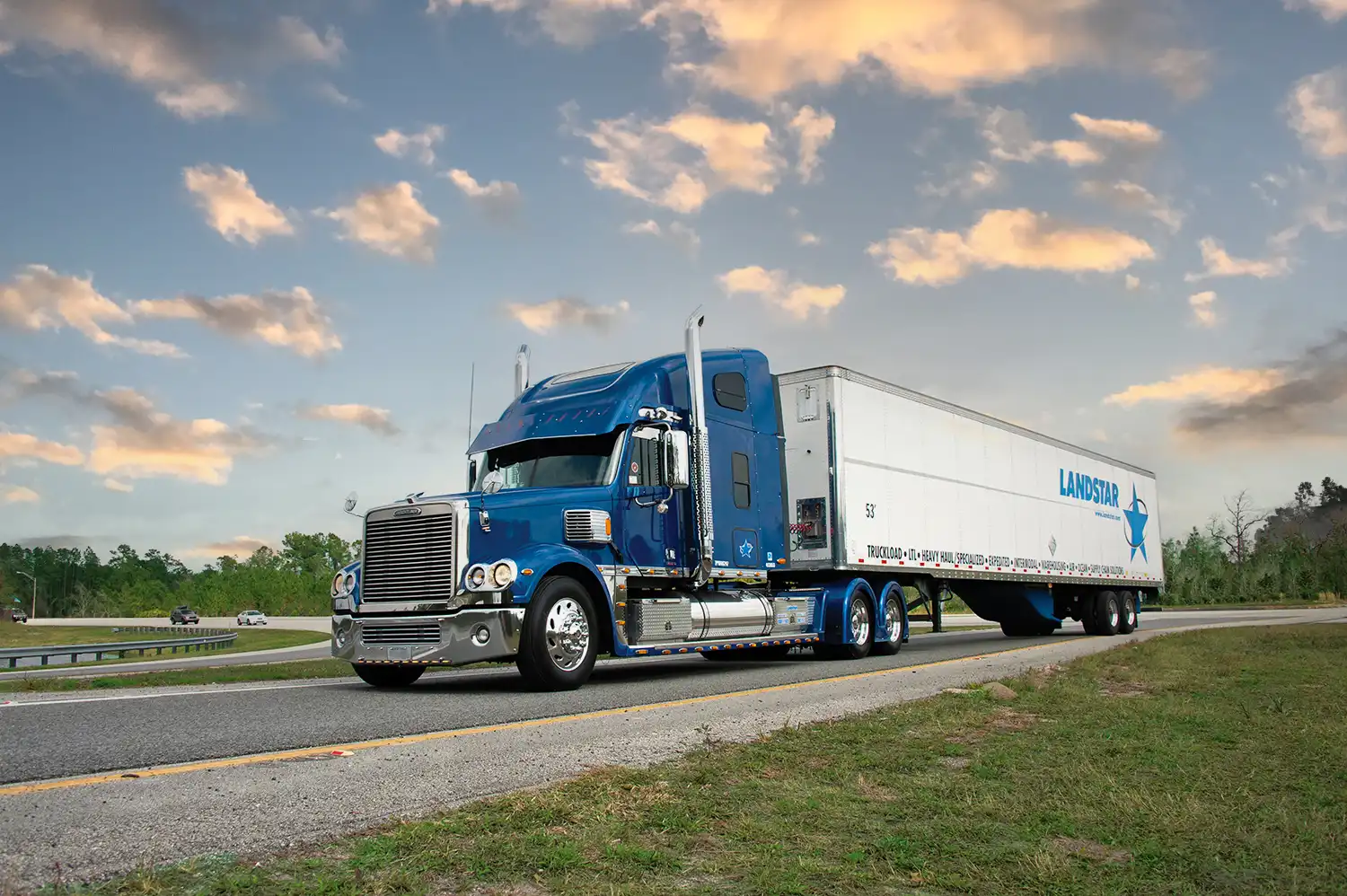
Jansson LLC is a Landstar freight agent that helps businesses stay ahead of the game.
They have access to a huge network of carriers both at home and across the ocean.
As a Landstar freight agent, the team at Jansson helps you find the best routes for your specific needs.
They can help you mix trucks, trains, and ships to save money.
Their experts know how to plan for fuel surcharges and other fees that often surprise shippers.
This helps keep your costs predictable even when the global market is messy.
Freight rate volatility will likely stay high for the next few years.
You do not have to let it ruin your business. By planning ahead and working with experts, you can keep your goods moving without overspending.
Prepare your business for whatever 2026 brings with Jansson LLC. Let’s build an international shipping plan that stays strong even when the market is uncertain.
You deserve a partner who helps you navigate freight market volatility with confidence.