Bridge law is one of the most important and least understood regulations in U.S. heavy haul trucking.
Most business owners who ship heavy equipment or oversized loads know they need permits.
Very few understand how bridge law actually determines what they can legally move, which routes are available, and how much their shipment will ultimately cost.
That gap between what businesses assume and what the law requires is where delays, fines, and rejected permits happen every single day.
What Is the Federal Bridge Formula?
The Federal Bridge Formula acts as a strict national law for heavy trucks. Known officially as 23 U.S.C. 127, this rule decides how much cargo a vehicle can safely carry over a bridge.
Most of these regulations apply to the giant Interstate highways that cross the country.
Keeping trucks within these weight limits ensures that our bridges remain safe for everyone to drive on.
It is enforced by the Federal Highway Administration.
The formula exists for a straightforward reason. And that is because heavy trucks damage bridges.
A heavy load concentrated on a small area stresses bridge structures far more than the same load spread across a longer distance.
The Federal Highway Administration uses a helpful analogy.
Think about walking on thin ice. Standing upright concentrates all your weight on a small area and you break through.
Lying flat spreads your weight over a larger area and the ice holds.
Bridge law applies the same principle to heavy trucking.
More axles and greater spacing between them spread the load. Fewer axles or tighter spacing concentrate the stress and risk structural damage.
The Three Numbers Every Heavy Haul Shipper Needs to Know
Under 23 U.S.C. 127 and FHWA regulations, three weight limits define legal heavy haul operations on the Interstate system.
80,000 Pounds: Maximum Gross Vehicle Weight
The government sets a “ceiling,” or a maximum limit, for how much a truck can weigh.
Everything including the vehicle, the trailer, and the cargo is added up to find this total.
Usually, 80,000 pounds is the highest amount allowed on big highways. Certain bridges might require a lower weight depending on how the truck’s wheels are arranged.
20,000 Pounds: Maximum Single Axle Weight
One set of wheels is called a “single axle” if the centers are 40 inches apart or less.
Federal rules state that this one section cannot weigh more than 20,000 pounds.
Such a limit stays the same even if the entire truck is mostly empty.
Keeping the weight spread out helps prevent the road from getting squashed or cracked in one spot.
34,000 Pounds: Maximum Tandem Axle Weight
A tandem axle is just a name for two or more sets of wheels that sit close together.
To count as a tandem, the wheels must be spaced more than 40 inches apart but no more than 96 inches apart.
This specific group of wheels is allowed to carry a maximum of 34,000 pounds.
How Axle Spacing Changes Everything
Here is where most business owners get surprised. Bridge law does not just cap total weight.
It ties allowable weight directly to axle spacing.
The longer the distance between axles, the more weight the law allows.
Short trucks with fewer wheels put a lot of pressure on bridges, so they aren’t allowed to be as heavy.
For example, a small 25-foot truck might be limited to only 54,500 pounds.
Larger 63-foot trailers can carry the full 80,000-pound limit because their weight is spread across more space.
Shipping heavy items requires you to choose the right truck shape to follow the law.
Choosing the wrong setup forces you to make a difficult choice.
You might have to take some items off the truck to make it lighter. Another option is to add more wheels to the trailer to help balance the load.
Otherwise, you must pay extra for a special government permit to drive on the highway.
How Bridge Law Affects Your Route
The Federal Bridge Formula does not operate in isolation. Every bridge on a route has its own weight rating.
Weigh stations at state borders and along major corridors check compliance during transit.
Violations are recorded and can affect your Carrier Safety Authority score.
Different states also enforce different rules.
Federal bridge law establishes both the maximum and minimum weights that states must allow on the Interstate System.
But state highways and non-Interstate routes can carry stricter limits.
Pennsylvania, for example, caps certain heavy hauler combinations at 73,280 pounds rather than the federal 80,000-pound limit.
This creates a patchwork of requirements that changes with every state line your load crosses.
A configuration perfectly legal in Texas may require a permit or be outright prohibited on a route through Pennsylvania or Ohio.
Effective route planning for heavy haul trucking requires multiple steps before the load ever departs.
Bridge Formula compliance must be calculated for every axle group configuration.
Drivers must verify the weight limits for every bridge along their planned route.
Each state’s specific rules must also be confirmed before the journey begins.
If a load is too heavy, the company needs to get an overweight permit before the truck leaves.
Skipping these important steps can lead to much more than just an expensive fine.
Your cargo might end up stuck at a highway weigh station with no way to move forward.
This delay ruins your schedule and causes your customers to lose trust in your business.
How Jansson LLC Helps Shippers Navigate Federal Bridge Law
Working with bridge laws and state weight limits can be very confusing.
You need a partner who truly understands these rules and knows which truck drivers have the right equipment.
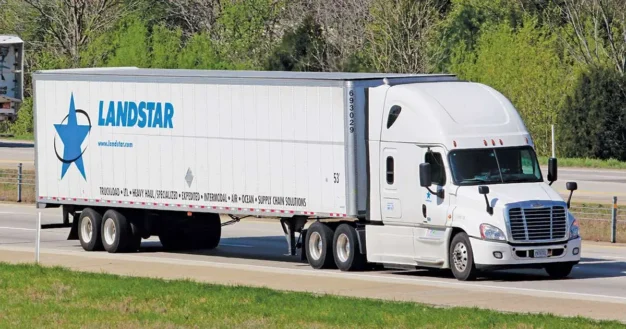
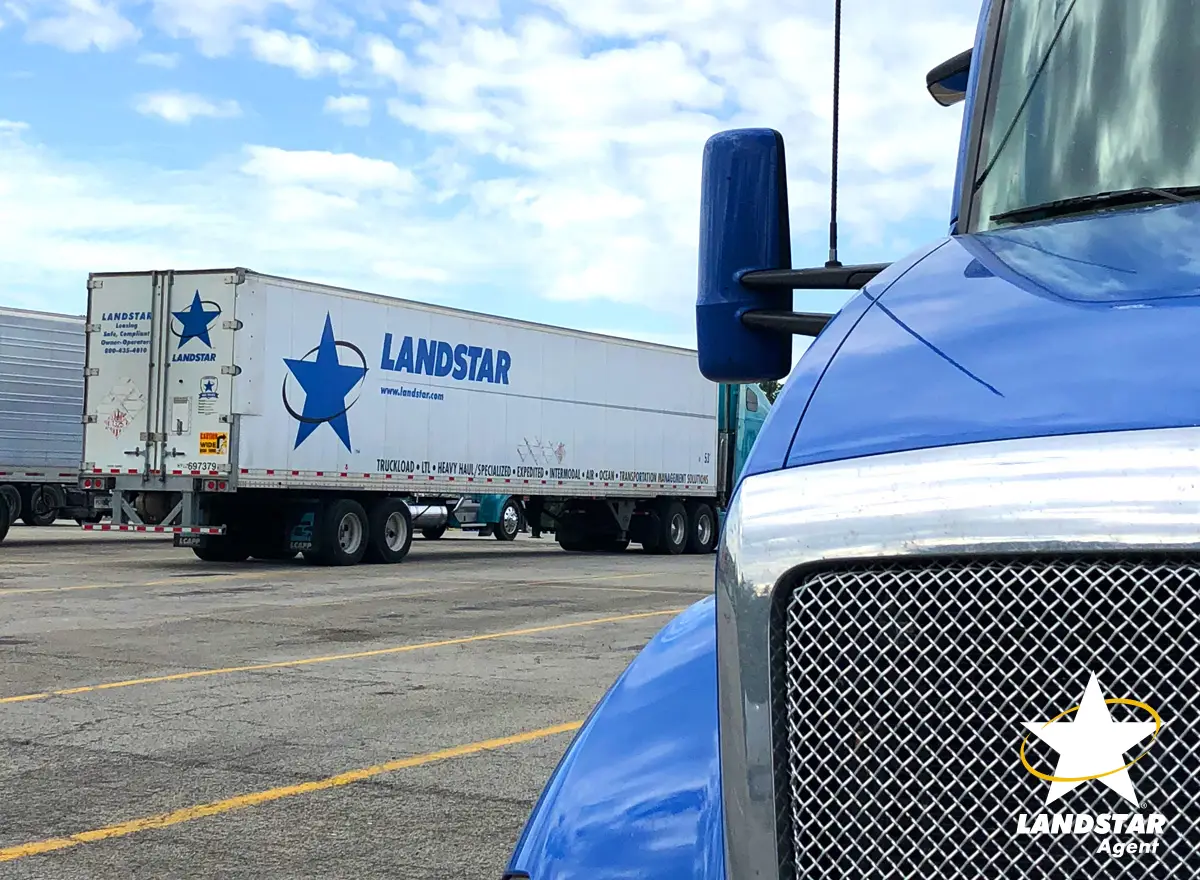
Jansson LLC is a Landstar freight agent with access to a massive network of heavy haul experts across the country.
Our team helps U.S. businesses find the perfect truck for their heaviest cargo.
We make sure the vehicle has the right number of wheels to follow the law in every state.
Additionally, we handle the difficult permit paperwork and plan the best routes to keep your delivery moving safely.
Having a smart partner ensures that the “truck math” is correct before you ever start the engine.
Following these rules protects your profits and keeps your business running smoothly.
Using the right logistics expert means you never have to worry about your load getting stuck or facing expensive fines.
Message the experts at Jansson LLC today to find a better way to ship your heaviest loads. Let us handle the complicated weight math while you enjoy a smoother heavy haul shipping experience.