D.O.T. Hazmat Registration is one of the most misunderstood compliance requirements in U.S. freight.
And the businesses that get it wrong are paying the price in fines, delays, and seized shipments.
Most CEOs assume hazmat regulations only apply to large chemical manufacturers or industrial plants.
That assumption is costly.
In reality, the requirement covers a much wider range of businesses than most CEOs expect.
Local distributors and construction suppliers may qualify. So can technology companies shipping lithium batteries and e-commerce sellers moving cleaning products at scale.
Federal law requires businesses that offer or transport certain hazardous materials to file an annual registration statement with the U.S. Department of Transportation. A fee is required with each registration.
This requirement is administered by the Pipeline and Hazardous Materials Safety Administration (PHMSA) under 49 CFR Part 107, Subpart G.
Missing the registration window is not a minor oversight.
According to the U.S. Department of Transportation’s 2025 civil penalty adjustments published in the Federal Register, fines for hazmat regulatory violations can exceed $89,000 per violation per day.
What Is D.O.T. Hazmat Registration?
D.O.T. Hazmat Registration is an annual federal requirement for businesses that offer or transport certain hazardous materials in commerce.
The registration year runs from July 1 to June 30 of the following year. It must be submitted before July 1 or before engaging in any activity that requires registration, whichever comes first.
The fees collected through this program fund the Hazardous Materials Emergency Preparedness grants.
These grants support state and tribal emergency response planning and HAZMAT training.
This ensures first responders are prepared to handle incidents involving dangerous goods across the country.
The 2025-2026 registration fees are $250 plus a $25 processing fee for small businesses and nonprofit organizations, and $2,575 plus a $25 processing fee for all other registrants.
Every vehicle used to transport hazardous materials that meets the registration criteria must carry proof of registration on board at all times.
Does Your Business Need to Register?
Determining whether your business falls under the D.O.T. Hazmat Registration requirement is the critical first step.
According to PHMSA, registration is required if your business offers or transports any of the following categories of hazardous materials.
Placarded Shipments
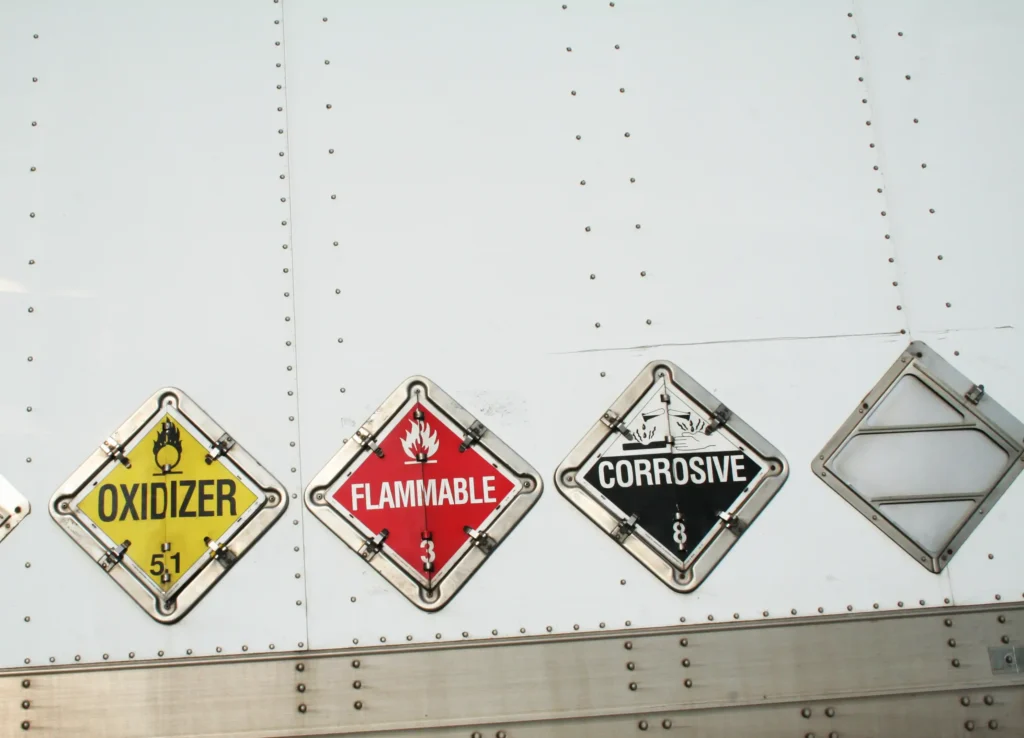
If your shipment requires a hazard placard—the diamond-shaped warning sign displayed on trucks and railcars—you are required to register.
This typically applies to common hazardous materials, like flammable liquids, gases, and corrosives among them.
If the quantity being shipped is large enough to require a federal placard, registration is required.
High-Risk Materials Regardless of Quantity
Certain materials are so hazardous that registration is required regardless of the amount being shipped.
This includes highway route controlled quantities of Class 7 radioactive materials.
It also covers more than 25 kilograms of Division 1.1, 1.2, or 1.3 explosive materials in a motor vehicle, rail car, or freight container.
Any material that is extremely toxic by inhalation triggers registration at more than one liter per package.
Hazardous Waste Transportation
Any business involved in hazardous waste transportation is also required to register with PHMSA.
This applies to both transporters and offerors, meaning businesses that arrange for hazardous waste to be transported, not just those physically moving it.
Common Products That Trigger Registration
Many businesses are surprised to discover that everyday commercial products fall under HAZMAT compliance requirements when shipped in sufficient quantities.
Lithium batteries—found in laptops, power tools, and consumer electronics—are classified as hazardous materials in transport.
Common products like cleaning supplies, paint and thinners, fertilizers containing nitrates, and compressed gases can all carry registration implications.
The determining factor is the quantity being shipped and how it is packaged.
If your business ships any of these products regularly, reviewing your registration status against PHMSA’s requirements is not optional.
It is a legal obligation.
What Happens When You Are Not Compliant
Non-compliance with D.O.T. Hazmat Registration requirements carry serious consequences.
Fines can exceed $89,000 per violation per day under federal enforcement.
Beyond financial penalties, non-compliant shipments can be delayed at terminals, held at inspection points, or seized entirely.
The reputational and operational damage of a compliance failure, especially for businesses with time-sensitive freight, can far exceed the cost of the registration fee itself.
Every day a shipment sits at a terminal waiting for a compliance issue to be resolved is a day your supply chain is not moving.
How Jansson LLC Helps You Manage D.O.T. HAZMAT Registration
Moving HAZMAT freight is not just a logistics challenge. It is a compliance challenge too.
The right partner understands both.
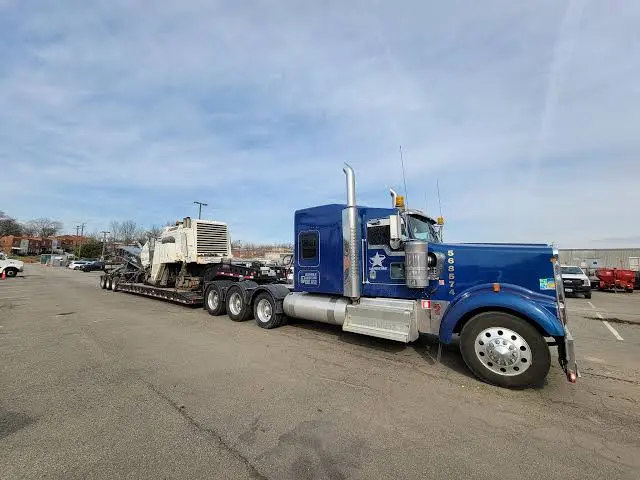
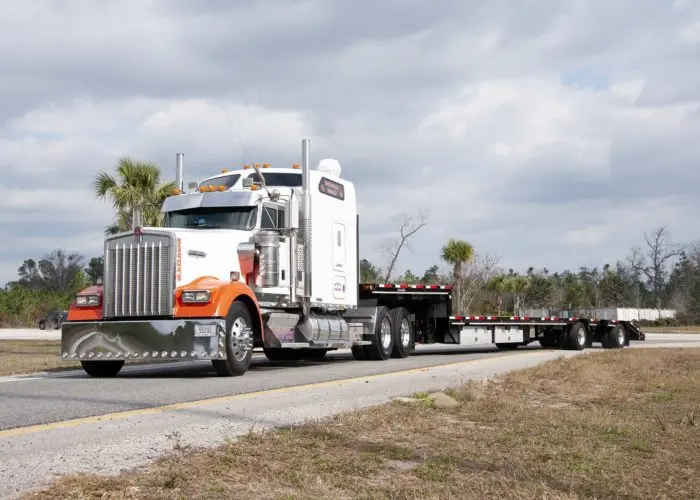
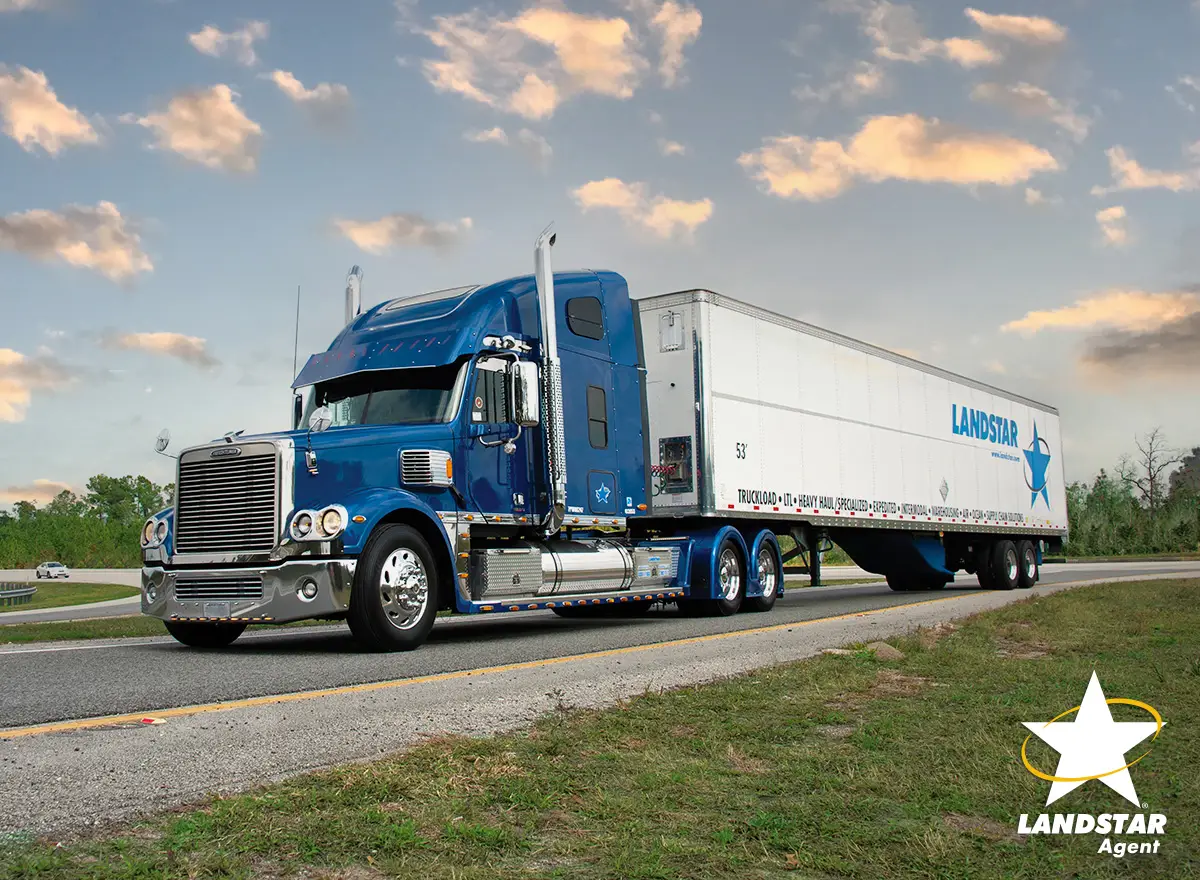
Jansson LLC is a Landstar freight agent with access to a nationwide network of HAZMAT-qualified carriers.
Through the Landstar network, Jansson matches every hazardous materials shipment with the right carrier.
That means a carrier with the appropriate HAZMAT authority, trained drivers, and compliant equipment every single time.
Your freight may move by over-the-road truck or intermodal rail. Either way, Jansson coordinates the full journey.
Carriers are verified against federal requirements before the load departs. Documentation gets reviewed before anything moves.
HAZMAT compliance is not just about registration. It is about building a freight strategy that keeps your shipments moving legally, safely, and without interruption.
Talk to a Jansson LLC expert today and let’s build a HAZMAT shipping strategy that keeps your business compliant and your freight moving in 2026.