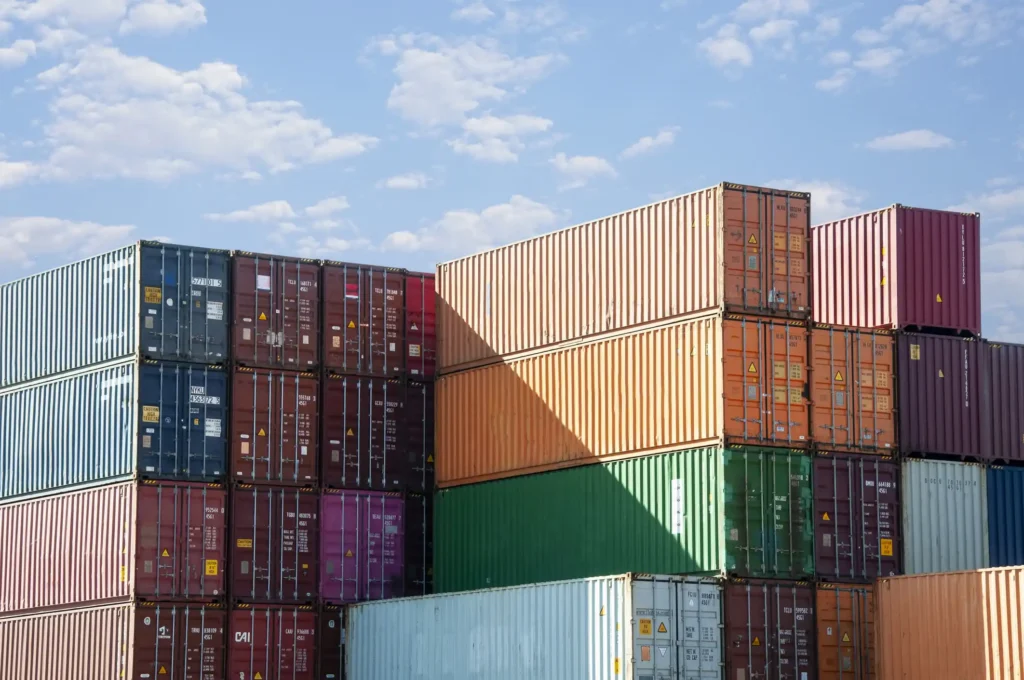
Single-source risk is a major danger for many American companies that most people do not notice until a big problem happens.
Relying on just one supplier or one shipping route might feel easy at first. Everything seems fine until that one path fails.
Research from the McKinsey Global Institute shows that big supply chain problems happen about every four years.
These delays can last more than a month and often cost companies nearly half of their yearly profits over a long period of time.
Conditions in the world have changed a lot since 2020.
Stable shipping paths and predictable prices are much harder to find today.
New taxes and fights between countries can close down trade routes with very little warning.
A 2025 report from J.S. Held says that these interruptions now cost businesses around $184 billion every year.
You should not wonder if your single-source lane will face a problem. Instead, you must ask if your company is strong enough to survive when it does.
Fixing this does not mean you have to double your freight budget.
Success comes from making smart choices so that your business keeps moving when one path is blocked.
To protect your company from these sudden shutdowns, here are seven strategies to build a stronger and more flexible international shipping plan that eliminates single-source risk.
7 Ways to Build Redundancy Without Blowing Your Budget
You do not need to change everything about your business to stay safe. Each of these seven ideas helps fix a specific part of your single-source risk.
Together, they help you build a plan that works even when the world is messy.
1. Find a Backup Supplier Before You Need One
Most companies only look for a second supplier after their first one fails. By that point, it is often too late to get a good deal.
Finding a backup while your main partner is doing a great job costs very little money.
You can check their quality with a small test order or a simple visit.
Building these friendships now is the best way to stay safe in 2026.
2. Use Different Ports and Border Crossings
Sending all your international shipping through one port is very risky.
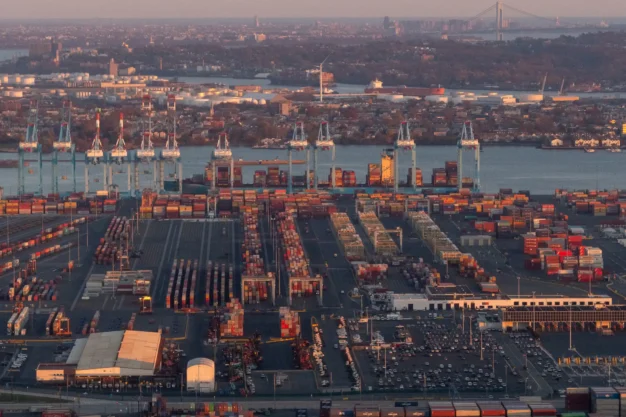
A strike by workers or a big storm can stop all your goods at once.
Spreading your shipments across two or more entry points helps keep things moving.
You should work with a partner who knows how different ports work so you can switch paths if one gets too crowded.
3. Have a Second Way to Move Your Goods
Most companies in the U.S. use trucks for almost everything they move.
If truck prices go up or there are not enough drivers, these businesses have to pay much higher costs.
Adding trains as an option for your biggest shipments gives you a great backup plan and helps you avoid single-source risk.
Trains are not perfect for every job, but they are great for long trips that are not in a huge rush.
4. Keep Extra Supplies of Important Items
Holding extra inventory is a good way to protect yourself.
However, keeping too much of everything in your warehouse is expensive and takes up too much space.
The smart move is to only keep extra “safety stock” for the items that are hardest to find.
This gives you protection where it matters most without wasting money on items that are easy to replace.
5. Learn Who Your Suppliers Buy From
Most businesses know who they buy from directly. Very few companies know who makes the parts for their suppliers.
Problems with these “hidden” companies have caused the biggest shortages over the last few years.
If a small factory far away has a fire, it can shut down your entire production line.
Learning more about these deeper layers of your supply chain gives you an early warning of trouble.
6. Ask for Flexible Rules in Your Contracts
Long contracts can help keep your prices steady for a while.
Contracts that lock you into just one route or one truck company can become a problem if the market changes.
When you sign a new deal, ask for the right to move some of your goods with other carriers if you need to.
Getting these rules in writing now costs nothing, but it could save you a lot of money later.
7. Work with a Partner Who Does Everything
Staying safe requires having many different options.
You need relationships with many ports and different types of transport like trains and ships.
The strongest companies work with partners who can move freight in many ways.
This ensures you can find a way to ship your goods even if your first choice is not available.
How Jansson LLC Helps You Eliminate Single-Source Risk
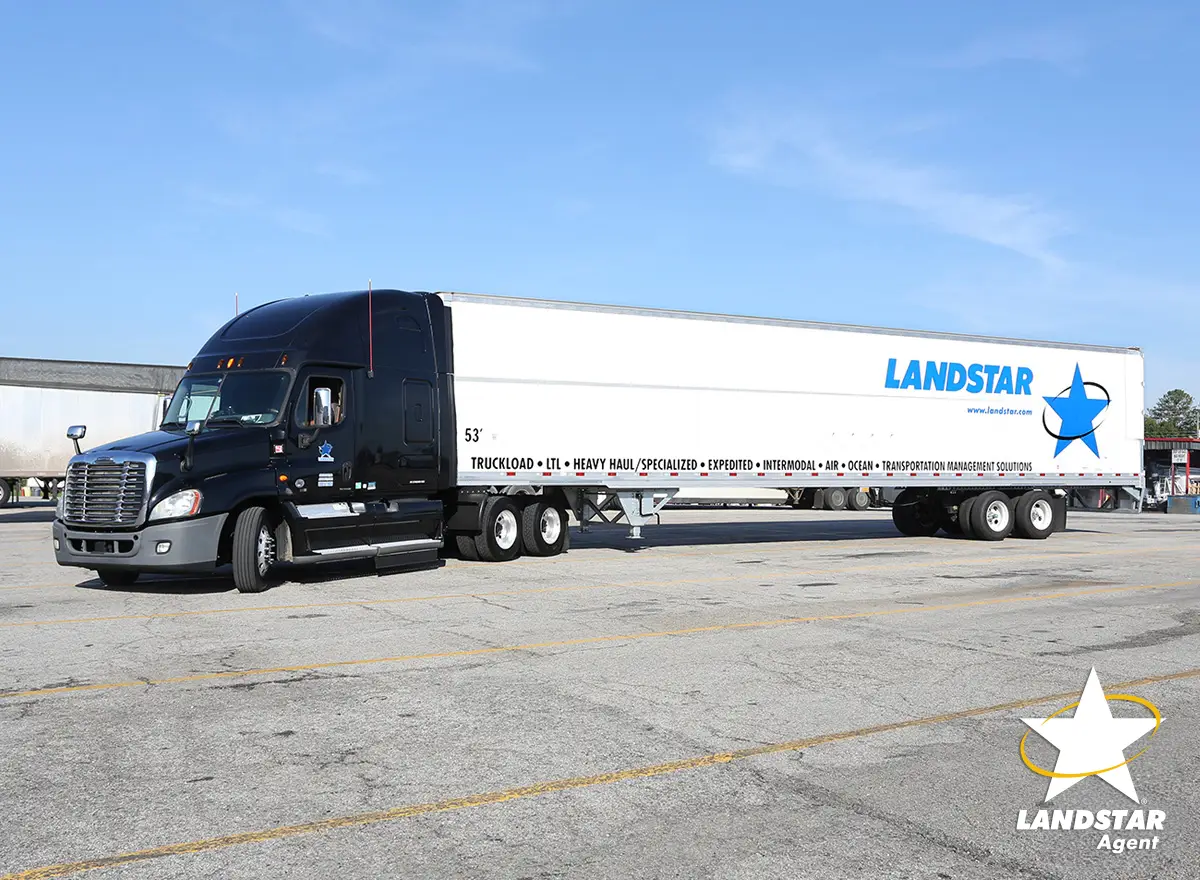
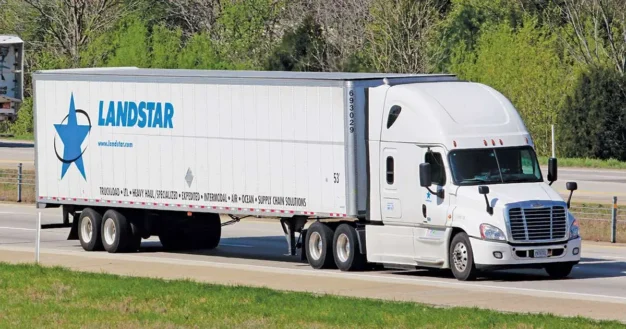
Jansson LLC is a Landstar freight agent that helps U.S. businesses find and fix their single-source risk.
They have access to one of the largest carrier networks in North America.
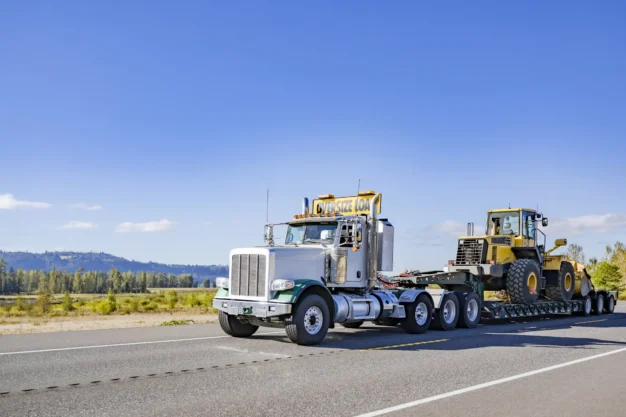
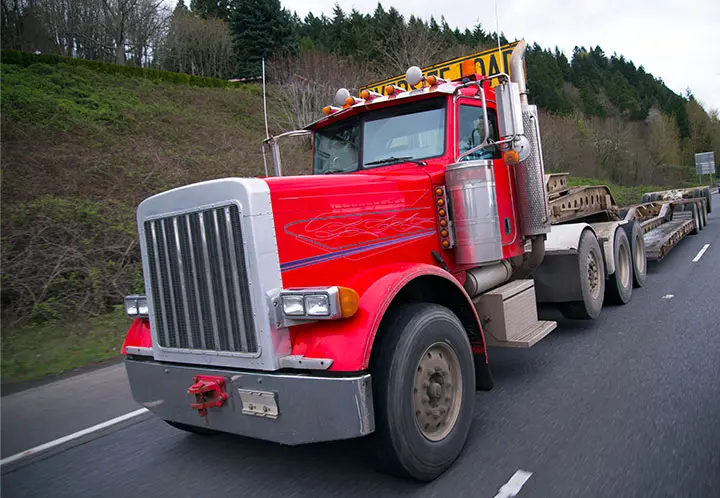
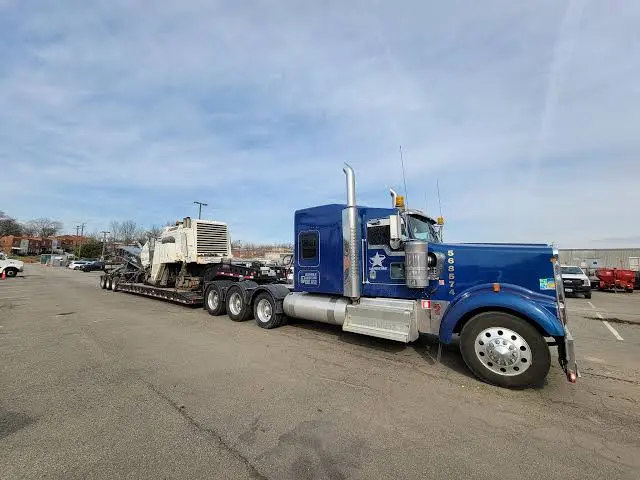
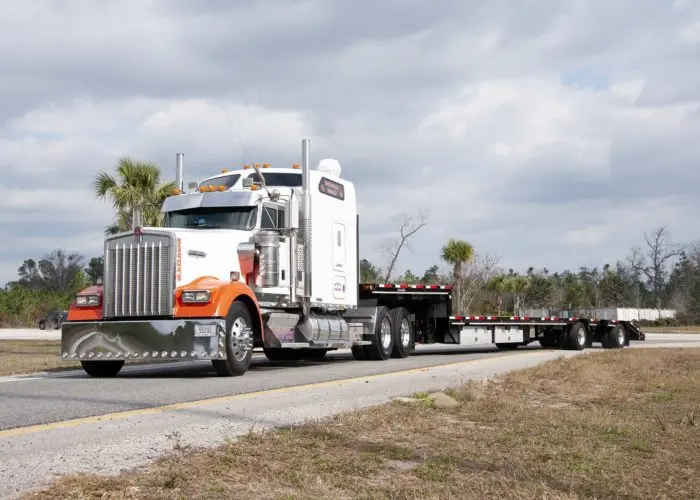
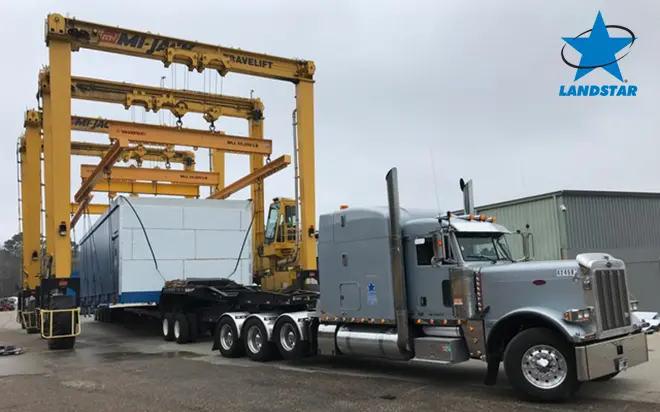
This network includes flatbed trucks, heavy-duty trailers, and special services for moving goods across the border to Mexico.
As a Landstar freight agent, Jansson helps you find the weak spots in your shipping plan.
They help you find backup routes and different ways to move your cargo before a disaster happens.
This gives you peace of mind because you know you have a plan B ready to go.
You do not have to spend a fortune to be safe. You just have to spend your money on the right kind of help.
Don’t Wait for a Disaster
Your business depends on things arriving on time and at the right price. Relying on a single-source lane is like walking on a thin piece of ice.
It might hold for a while, but eventually, it will break. Building a backup plan is the only way to ensure your company survives the surprises of 2026.
Future-proof your supply chain by partnering with Jansson LLC. Let’s look at your international shipping routes together and find the best ways to protect your business.
We can help you build a plan that keeps your goods moving no matter what happens in the world.