
Managing LTL price volatility is one of the biggest freight challenges American companies face today, and the current market is not making things easy.
Less-than-truckload (LTL) shipping has a unique pricing system that many business owners do not fully understand.
Unlike full truckloads, where having too many empty trucks drops prices down, LTL carriers operate on fixed networks with high local terminal costs.
Base rates and extra fees keep climbing even when the general economy slows down.
This structural financial pressure never truly goes away, but it simply shows up differently depending on the season and your specific shipping lanes.
Several transport companies have already announced general rate increases in the 4.9% to 5.9% range for 2026.
Rising fuel costs are making the situation worse.
According to the Bureau of Transportation Statistics, the national average diesel price reached $5.50 per gallon in April 2026, which is up 54.2% from April 2025 and the highest since 2022.
This spike was driven largely by disruptions at the Strait of Hormuz, an area that carries roughly 20% of the world’s oil traffic.
If your business relies on less than truckload (LTL) shipping, this environment requires a very smart plan.
Understanding your choices will help you protect your freight budget.
The Two Sides of LTL Pricing
Before choosing a strategy, you must understand the basic differences between your two main pricing options.
Locked-In Rates
Locked-in rates are negotiated far in advance, usually for a year or more.
You agree on a set price for specific paths, and the carrier promises to keep those prices steady.
These contracts provide great predictability and shield you from sudden price jumps.
Spot Rates
Spot rates are priced on the open market for one shipment at a time. They go up and down based on daily supply and demand.
In a loose market with plenty of trucks, spot prices can be cheaper than a contract.
Tight markets cause them to skyrocket, and sometimes you cannot find a truck at any price.
General rate increases mostly hurt shippers who do not have contracts.
Businesses that rely on the open market for their daily LTL shipments are most exposed to these sudden penalties.
The real goal is learning how to use both options at the right time.
Why 2026 Is a Particularly Tricky Year for LTL
Experts say the current market looks stable on the outside but is actually tightening underneath.
Carriers are staying highly disciplined with their schedules, and industrial manufacturing is starting to grow again.
This gives transportation companies strong control over their pricing.
That description sounds safe, but a major catch exists. Shippers with unpredictable shipping habits will experience sharp LTL price volatility.
Carriers frequently reject sudden bursts of unexpected cargo, forcing businesses to look for backup drivers.
Each step down your backup list usually means paying a much higher price.
Average shippers might feel like the market is calm.
Anyone with inconsistent cargo sizes will feel the LTL price volatility much more severely.
7 Strategies to Navigate LTL Price Volatility
None of these ideas require you to completely rebuild your logistics department.
Every tip targets a specific area where companies accidentally waste cash. Making small changes can lead to real savings.
1. Secure contract rates on your highest-volume lanes.
The absolute easiest way to defeat LTL price volatility is to set up a long-term agreement on your busiest routes.
Price increases are already hurting budgets this year.
Locking in your costs now gives you a safe baseline before the market gets even tighter.
2. Do not abandon spot rates entirely.
Not every lane deserves a strict contract.
Some destinations are used too rarely to justify a major commitment.
A blended approach gives you protection where it matters most and price flexibility everywhere else.
3. Consolidate shipments to reduce exposure.
Every individual LTL freight shipping order is a separate transaction with its own set of extra fees.
Grouping small boxes into fewer, larger loads saves money.
Sometimes, it even shifts your cargo into the cheaper partial truckload category.
4. Improve your freight profile accuracy.
Trucking companies will charge you extra penalty fees if the dimensions or weight on your paperwork do not match the real cargo.
These surprise adjustments can instantly add 20% to 40% to your bill.
Measuring boxes correctly prevents these expensive updates.
5. Build flexibility into your transit windows.
Demanding exact pickup times narrows your choices.
When a preferred driver cannot meet a tight deadline, your less-than-truckload (LTL) freight moves to a more expensive company.
Adding just one or two days of leeway unlocks better options.
6. Monitor fuel surcharges weekly.
Extra gas fees are a massive part of your final bill that is easily forgotten.
With diesel prices hitting multi-year highs, you should check your financial risk regularly.
Surcharge charts update every week, so knowing when they shift helps you time your shipments perfectly.
7. Work with a logistics partner who monitors the market for you.
Keeping track of carrier capacity shifts, price announcements, and fuel tables is a full-time job.
Most small shipping teams do not have the time to do it well. A great partner watches these changes for you so you can make proactive choices.
Navigating LTL Price Volatility with the Help of Jansson LLC
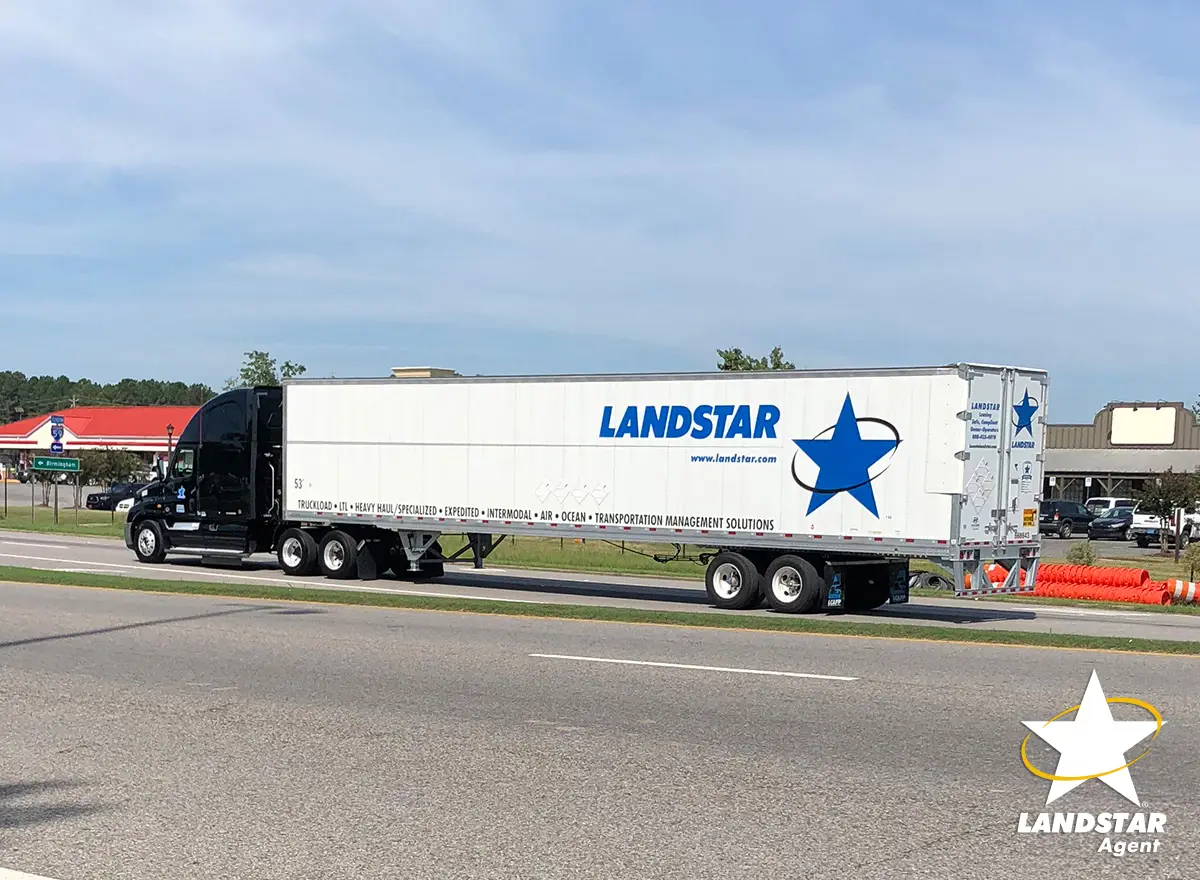
Jansson LLC is a dedicated Landstar freight agent with direct access to a massive nationwide network of trucks.
This partnership provides American businesses with excellent routing options, truck selection, and coordination across multiple modes.
Through this powerful network, our team helps companies find the most affordable choices for their cargo.
We monitor rate shifts before they ever land on your invoice, building a strong defense against unexpected LTL price volatility.
With the right LTL shipping strategy and a helpful partner, market changes do not have to ruin your transportation budget.
Take back full control of your transportation costs before the next rate spike hits your desk. Team up with a Jansson LLC expert today to lock down stable routes no matter what the market does next.