Understanding the new NMFC density rules is absolutely essential for anyone handling less-than-truckload (LTL) shipping today.
Many business owners do not even realize how much money they are losing to automatic shipping penalties.
Here is exactly how the process unfolds.
First, you submit a digital bill of lading (BOL) with a specific freight class listed on the paper.
The carrier picks up your cargo and runs it through automated scanning equipment at their local terminal.
If your declared measurements do not match their machine’s calculations, the system flags it immediately.
Your cargo gets a fast reclassification into a much more expensive category, and you receive an updated invoice with an extra penalty fee attached.
No warning is given to your team, and no phone call comes in to explain the problem.
It simply happens automatically.
A typical penalty fee runs $30 to $75 per shipment, plus a regular rate increase of 20% to 50% depending on how far off your class was.
For a business moving ltl freight shipping orders at a high volume, those extra costs add up fast.
Most shippers never argue against these bills because they do not have the right paperwork to fight back.
Why Reclassifications Are Increasing in 2026
The NMFC density rules changed fundamentally when Docket 2025-1 took effect on July 19, 2025.
The old system used to classify most objects by the specific type of item they were.
Now, the modern system groups items by weight divided by size for the vast majority of less-than-truckload (LTL) shipping orders.
More than 2,000 official item numbers were completely changed by this massive overhaul.
Docket 2026-1 followed on February 6, 2026, which canceled even more legacy categories and tightened how the new NMFC density rules apply.
The final result of these changes is very straightforward.
If your office software still pulls freight classes from old commodity tables, you are likely quoting against item numbers that no longer exist.
Also, if your declared dimensions are off by even a tiny bit, carriers now have the advanced technology to spot the mistake instantly.
Trucking companies are currently using high-tech lasers and precision scales at their main hubs.
If your numbers do not match their scans, the automated system changes your LTL shipments category, which increases your total costs and potentially delays delivery.
This is not a future risk for your supply chain.
Historically, around 15% of all less-than-truckload (LTL) freight moves have been reclassified.
With automated scanning tools active at most major terminals, that percentage is not going down anytime soon.
What Triggers an Automatic Reclassification
Not every single box gets flagged by a carrier, but transport companies are very aggressive about checking certain situations.
A shipment gets flagged the moment its real weight does not match your written paperwork.
It also triggers an alarm when your box sizes do not match what the laser scanner reads.
Vague product descriptions that do not clearly connect to a valid number will cause a flag too.
Finally, declaring a low class for an item that looks light and bulky will instantly make the carrier suspicious.
Knowing what triggers these digital alarms is half the battle.
The other half is building a smart workflow that stops the problem from happening in the first place.
4 Steps to Prevent Automatic Reclassification
These four simple actions target the most common causes of freight errors.
Together, they protect your budget before a truck ever leaves your loading dock.
Step 1: Measure Everything Including the Pallet
Density under the official NMFC density rules is calculated by dividing weight by total cubic feet.
To find your cubic feet, you multiply length by width by height in inches, then divide that final number by 1,728.
The most common mistake is forgetting to include the wooden pallet height.
A standard pallet adds 5.5 to 6 inches to your total height. Leaving it out makes your math wrong before the truck even moves.
This mistake triggers an automatic rewrite at the carrier’s terminal.
You must measure every shipment, include the wooden platforms, and use a calibrated scale for weight instead of guessing.
Step 2: Verify Your Codes Regularly
The National Motor Freight Traffic Association publishes a helpful online lookup tool at nmfta.org.
You should use this search engine every single time you ship out cargo.
Codes that were perfectly fine before July 2025 may have been changed under the new NMFC density rules.
Putting an outdated code on your paperwork is one of the fastest ways to cause a penalty fee.
Start by checking your highest-volume items first, then work through the rest of your inventory systematically.
Step 3: Write Highly Detailed Descriptions
Vague labels on your paperwork create massive financial risks.
Words like “machine parts” or “general merchandise” give the driver no way to double-check your freight class.
When a carrier cannot confirm what an item actually is, they automatically pick the highest class to protect their own money.
Your written description should include the exact product name, the material it is made from, its use, and its current condition.
A detailed description is also your best tool if you need to dispute an unfair charge later.
Step 4: Audit Your Invoices Constantly
Even when you do everything right, mistakes still happen.
Carrier scanning equipment is not perfect, and measurements occasionally get misread by the lasers.
Pull your last 90 days of invoices to look for unexpected corrections or reweigh fees.
For each penalty, compare the carrier’s stated numbers against your own physical warehouse records.
If your paperwork supports your original class, file an official dispute.
Shippers who push back with solid evidence get results, while those who pay quietly get billed the exact same way next time.
Overcoming NMFC Density Rules Penalties with the Help of Jansson LLC
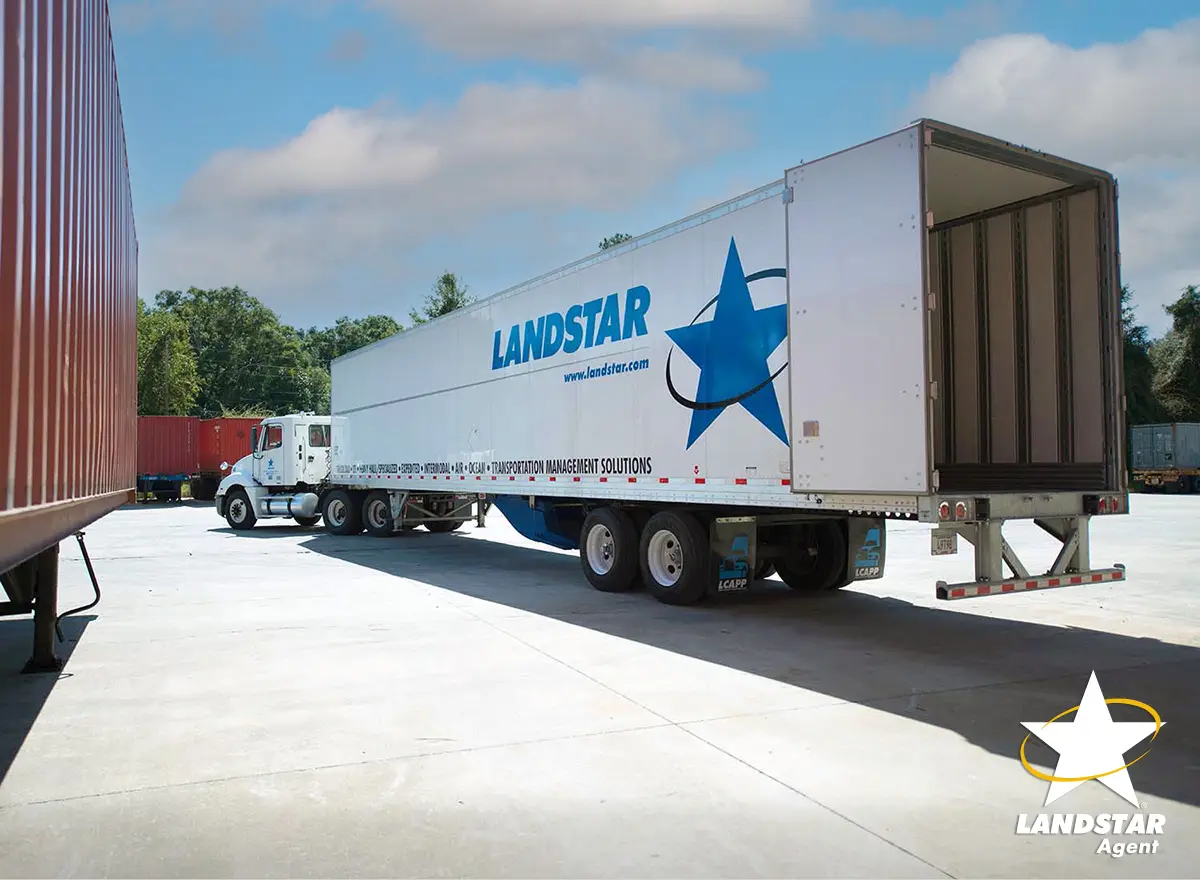
Reclassification fees can be completely avoided with the right process.
Doing this consistently requires a helpful logistics partner who catches errors before the truck drives away.
Jansson LLC is a dedicated Landstar freight agent with deep expertise in classification systems and modern NMFC density guidelines.
Through the powerful Landstar network, our team helps American businesses verify their shipping classes at the very beginning.
We identify outdated codes before they cause problems and help you build great documentation habits.
If your bills keep coming in higher than your original quotes, the problem is almost always happening at the source.
Partnering with a Jansson LLC expert right now will help you fix these errors and ensure your next shipment is classified correctly the first time.