
Flatbed capacity in 2026 is tighter than it has been in years and the shippers caught off guard are paying for it.
Flatbed load volumes are running nearly 50% higher than the same period last year.
The national average flatbed spot rate hit $2.69 per mile in May 2026, which is up 27% year-over-year and within cents of the all-time record set in June 2022.
For businesses that ship steel, construction materials, or industrial equipment, this is not a background trend. It is a direct hit to your freight budget.
Understanding what is driving this crunch is the first step. Knowing what to do about it is the second.
What Is Causing the Flatbed Capacity Crunch?
Flatbed capacity does not tighten for the same reasons dry van does.
Instead of being driven by holiday shopping or produce seasons, this market speeds up because of industrial output.
Construction projects and infrastructure investments also push this demand forward.
All three are accelerating at the same time in 2026.
Steel Output Is Up
U.S. steel production in early 2026 is running about 5% above the same period last year.
Because steel moves on flatbeds, this increase in production means more loads are actively competing for the same number of trucks.
Data Centers Are Being Built Everywhere
Annual U.S. data center construction spending has tripled to roughly $41 billion since 2022.
Every data center needs structural steel, generators, and large equipment.
All of it moves on flatbed trailers. This one trend alone has shifted the entire flatbed market.
Infrastructure and Manufacturing Are Adding More Demand
Federal infrastructure projects and domestic manufacturing growth are generating more flatbed freight too.
Bridge parts, wind energy equipment, and industrial machinery are all moving through the same carrier network at the same time.
The result is simple.
Demand is up, but trucks are scarce.
And flatbed trucking availability in 2026 is constrained from multiple directions at once.
What Does This Mean for Your Freight Budget?
The tight market has a direct impact on what you pay to ship.
Spot rates are near record highs.
At $2.69 per mile, today’s national average flatbed spot rate is 26% above the five-year average.
If you are buying flatbed freight on the spot market, you are absorbing that increase on every single load.
Carriers are being picky.
As capacity has tightened, carriers have become more selective.
They are accepting fewer loads at higher rates.
That means shippers with messy paperwork, slow loading times, or rigid delivery schedules are getting skipped when trucks are scarce.
Fuel is making it worse.
Spot flatbed rates jumped 56 cents per mile in March 2026 alone, which is driven mostly by rising diesel costs.
Fuel surcharges are stacking on top of already high base rates.
What Are the Smartest Shippers Doing?
Not every business is struggling equally. The ones managing best right now have a few things in common.
They locked in contract rates early.
Contract rates have gone up too, but much less than spot.
From March 2025 to February 2026, contract rates rose about 5% while spot rates surged 23%.
That gap is real money saved for shippers who planned ahead.
They use more than one carrier.
Shippers who rely on a single carrier have no backup plan. When that carrier raises rates or runs out of trucks, they are stuck.
Shippers with multiple over-the-road flatbed carrier relationships always have options.
They work with logistics partners who have deep networks.
When the spot market is tight, brokers and agents with large carrier networks can still find trucks.
Shippers calling directly often cannot.
That access is the real competitive edge during peak flatbed season.
Is This Going to Get Better Soon?
Not immediately.
The American Trucking Associations reports that the first quarter of 2026 is the industry’s strongest performance in nearly a decade.
That is a clear sign the freight cycle has shifted. It is not a temporary spike.
Data center construction, infrastructure spending, and manufacturing reshoring all point to continued strong flatbed freight demand for the rest of 2026.
By locking in capacity and building carrier relationships, smart shippers who act now will be in a much better position as the market stays tight.
Those who wait will keep paying expensive spot prices.
How Jansson LLC Helps U.S. Shippers Secure Flatbed Capacity
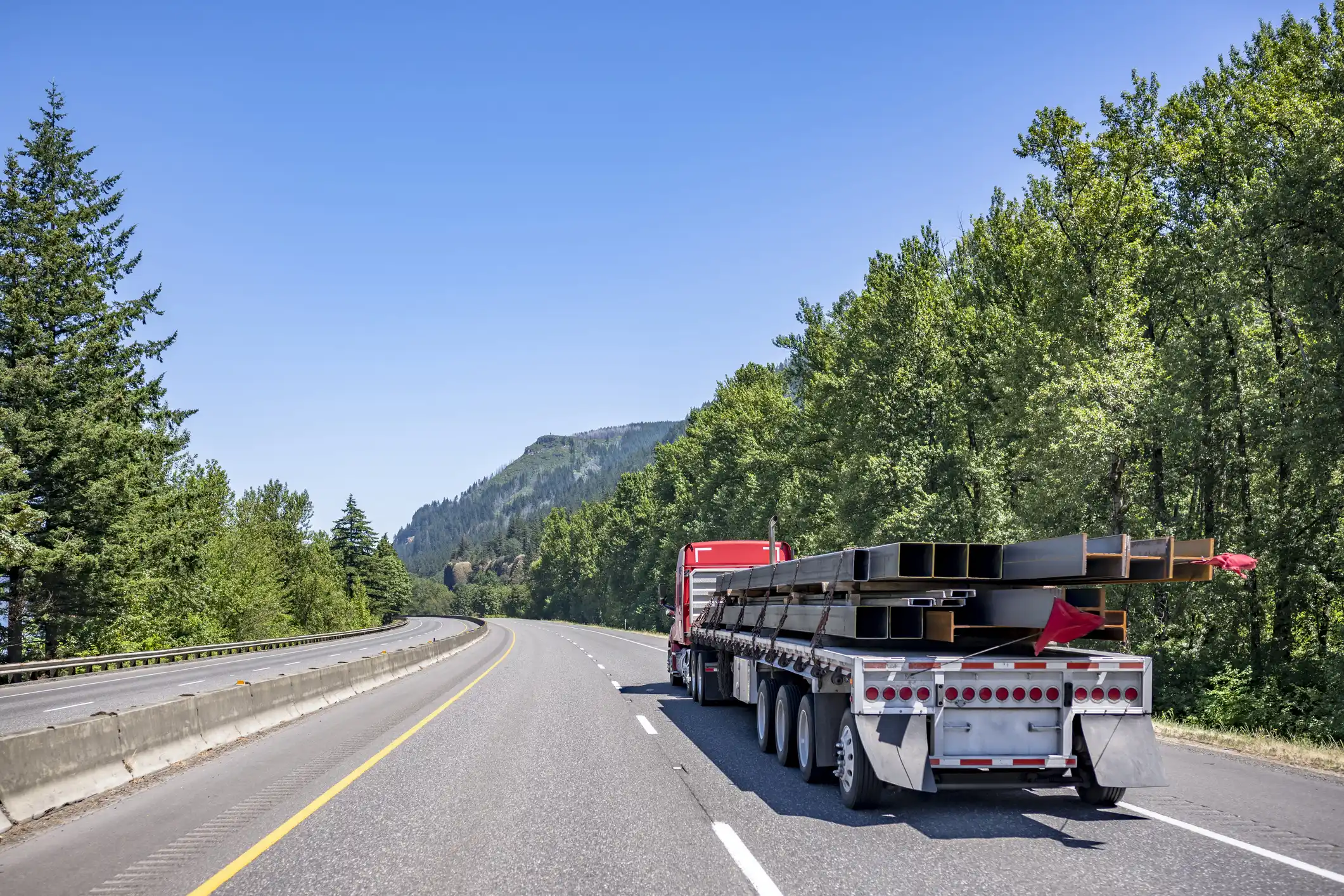
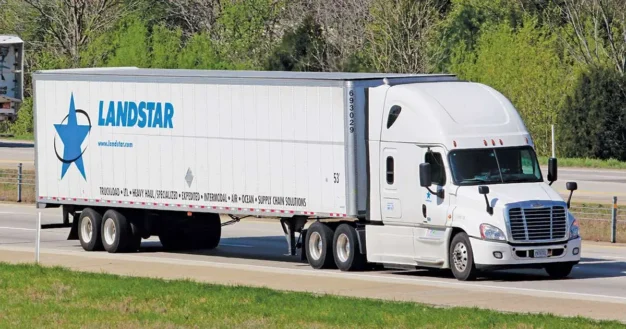
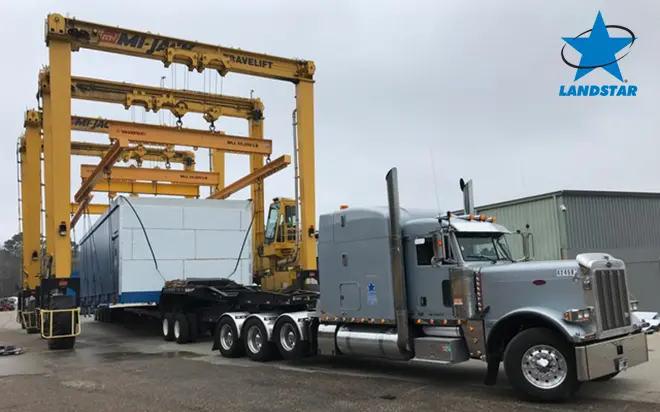
Jansson LLC is a Landstar freight agent with access to one of the largest carrier networks in North America.
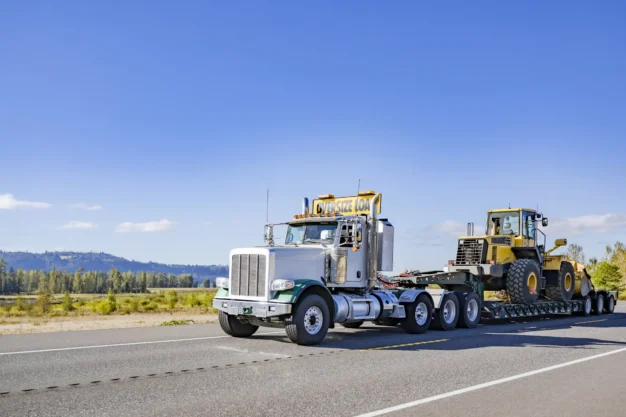
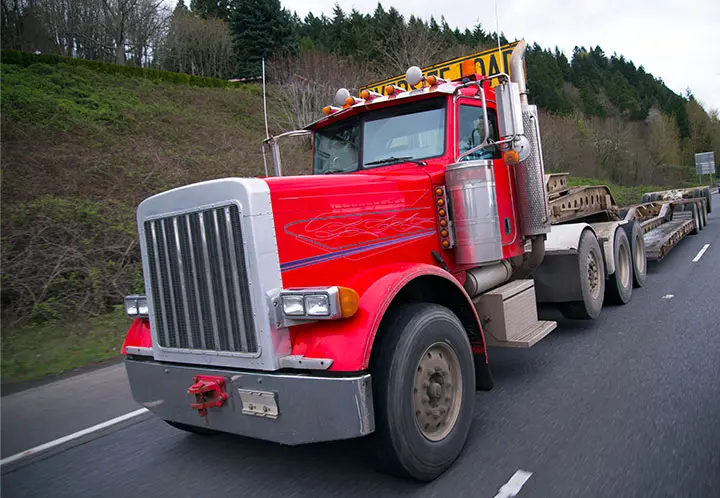
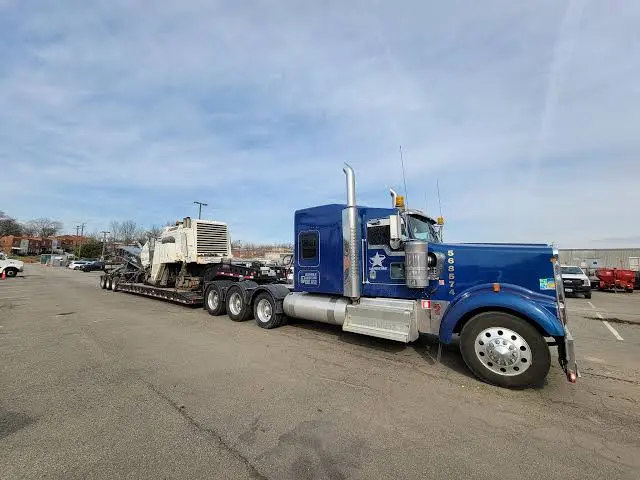
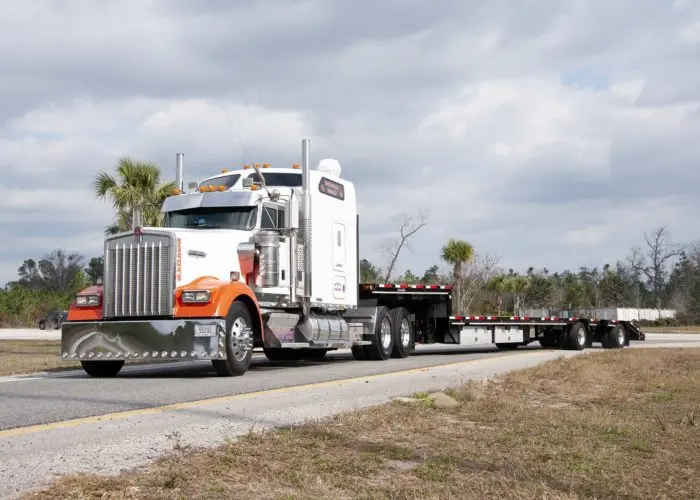
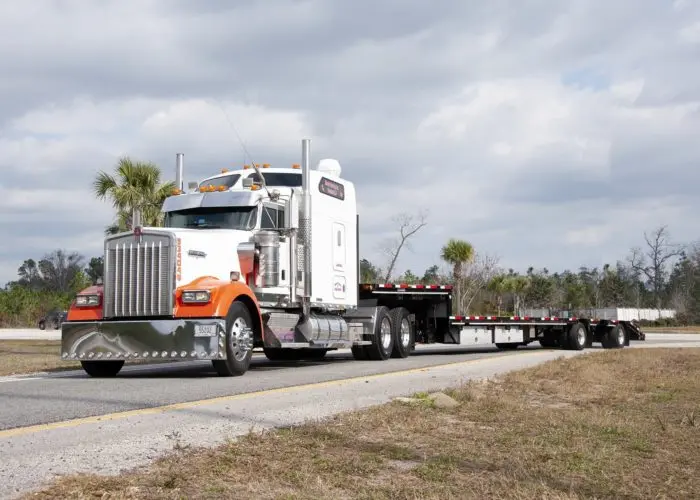
That includes nationwide flatbed shipping, step deck, RGN, heavy haul, and over-dimensional freight across all 48 contiguous states.
Through the Landstar network, Jansson helps U.S. businesses lock in flatbed capacity before the market tightens further. Our team also finds the exact right carrier for your specific freight needs.
Finally, they build durable trucking strategies that hold up even when competition for trucks is fierce.
Whether you ship steel, construction materials, or industrial equipment, having the right logistics partner makes the difference between a smooth season and a very expensive one.
Do not let the 2026 capacity crunch stall your business growth this season.
Connect with the logistics experts at Jansson LLC immediately to lock in your transport routes and protect your freight budget before rates climb any higher.