
A fuel surcharge is a fee that shipping companies add to their bills to cover the cost of gas.
And in 2026, it has become a major emergency for American businesses.
These extra costs are no longer just a small part of a budget.
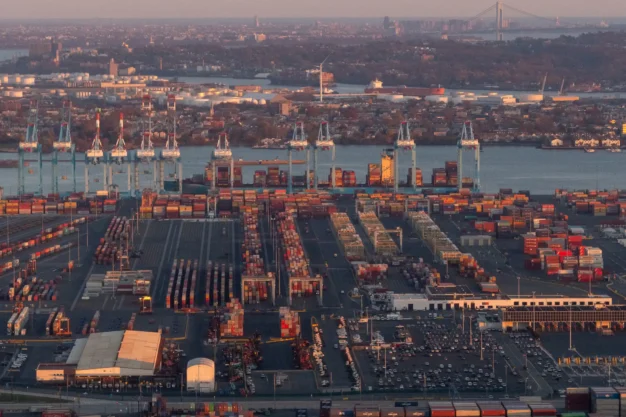
This is especially true for companies relying on international shipping, where fuel volatility is even more extreme.
Data from the Bureau of Transportation Statistics shows that diesel fuel hit a national average of $5.50 per gallon in April 2026. This is a massive 54.2% jump from the previous year.
Shipping costs have climbed quickly because of this change.
One report found that these surcharges increased by 131% over the last four years alone.
A small package that cost about $22 to ship in 2022 now costs over $31. This price hike is much higher than the normal rise of inflation.
The problem is not something that will go away next month. Oil prices change constantly because of wars, supply choices, or global disruptions.
Carriers pass these costs directly to you by changing their rates every week.
Additionally, these pricing changes tend to stick around even after the price of gas goes down.
So, you should not wait for things to get better on their own.
Success depends on what your business does to fight back against these costs right now.
To help you keep your profits safe from these rising costs, you can use these nine proven strategies to lower your shipping expenses.
9 Strategies to Protect Your Margins from a Fuel Surcharge
You do not need to change every single part of your business to save money.
These nine ideas target the specific areas where you are spending too much on gas.
Following these steps will help you stay ahead of rising fuel prices without losing your profits.
1. Build a Buffer into Your Budget
Stop planning your shipping costs using only the basic rates.
You should add an extra 20% to 25% to every budget to cover the fuel surcharge.
This ensures you are not surprised when the final bill arrives.
If the price of gas stays low, that extra money becomes a savings for your company.
2. Ask for a Price Cap in Your Contract
Most people just accept whatever price the shipping company gives them.
High-volume shippers actually have the power to negotiate for a better deal.
A “cap” is a limit on how high the fuel surcharge can go regardless of how much gas costs.
Carriers will not offer this to you unless you ask for it.
3. Switch to Trains for Long Trips
Trucks use a lot of fuel and have very high surcharges. Trains and rail shipping are much more efficient and cost less per unit.
Using rail for international shipping or long trips over 500 miles can save you a lot of money.
This is a great choice if your delivery is not in a huge rush.
4. Combine Your Shipments
Shipping companies charge a fee for every single trip they make.
If you send five small loads in one week, you are paying five different surcharges.
Consolidating those into one large truckload reduces the number of fees you have to pay.
This simple change keeps more money in your bank account.
5. Use Smaller Packaging
Many shipping prices are based on how much space a box takes up rather than how much it weighs.
Big boxes lead to higher base rates.
Since fuel surcharge is calculated as a percentage of the base rate, a big box makes the fuel fee even more expensive.
Right-sizing your boxes reduces the total cost without changing which carrier you use.
6. Watch the Weekly Price Updates
Government agencies update the official diesel price index every week. Carriers use this new number to set their surcharges for the next seven days.
If gas prices are going down, waiting a day or two to ship your items might save you money.
Timing your loads carefully can lead to big rewards over time.
7. Double-Check Your Invoices
Companies occasionally make mistakes and charge you for things they shouldn’t.
They might apply a surcharge to a service that is supposed to be free of those fees.
Auditing your bills helps you catch these errors before you pay them.
For a busy company, finding even small mistakes can add up to thousands of dollars in savings.
8. Work with Different Carriers
Relying on just one company gives you no power to argue about prices.
If a carrier knows you have no other choice, they will not lower their fees for you.
Maintaining relationships with several companies gives you leverage.
You can choose the one with the best price whenever fuel volatility makes the market go crazy.
9. Partner with a Specialist
Tracking gas prices and surcharge tables every week is a very difficult job. Most business owners are too busy to watch the market every single day.
A smart partner does this work for you and alerts you when prices are about to jump.
This allows you to make proactive choices instead of just reacting to high bills.
How Jansson LLC Helps U.S. Shippers Manage Fuel Surcharge Exposure

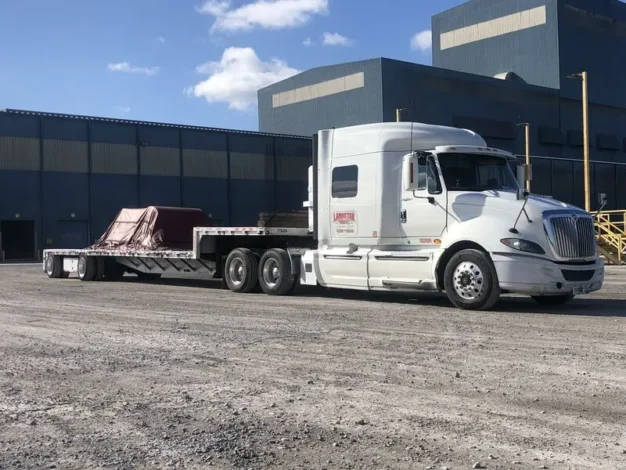
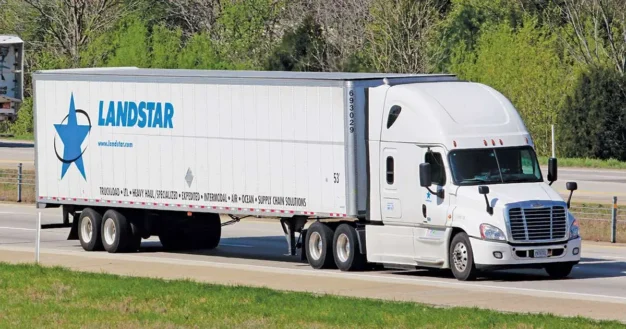
Jansson LLC is a Landstar freight agent with a massive network of trucks and trains across North America.
They understand the full picture of how gas prices affect your bottom line.
Through the Landstar network, Jansson helps U.S. businesses find the cheapest ways to move their goods.
Working with a Landstar freight agent gives you access to more than just trucks.
They can help you move cargo by rail or help with the tricky parts of international shipping.
This team knows how to build a strategy that stays strong even when gas prices are high.
They look at your specific routes and find where you are wasting money on extra fees.
Don’t Let Fuel Costs Ruin Your Business
Fuel volatility is a permanent part of the world in 2026.
You cannot control the price at the pump, but you can control how your business handles it.
The most successful companies are the ones that use smart systems to protect their margins.
Let’s review your international shipping plan together to uncover hidden savings and eliminate vulnerabilities.
We can build a diversified strategy that keeps your freight moving smoothly without breaking your budget.
Connect with our team of specialists at Jansson LLC to ensure your supply chain is ready for whatever 2026 brings.