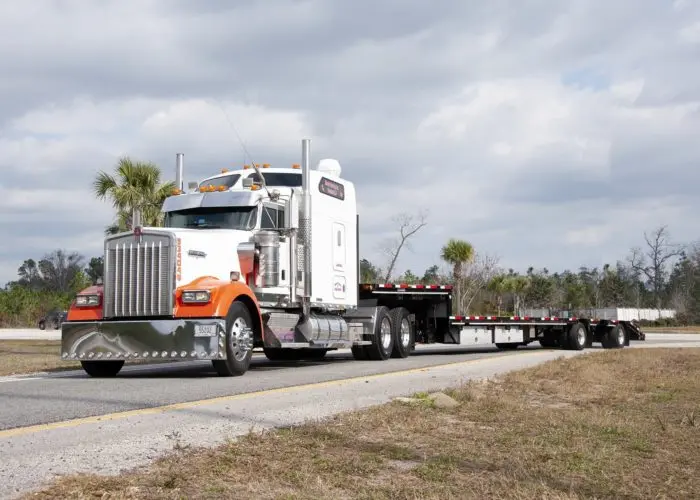
The 2026 lithium battery crisis is hitting U.S. ground shipments hard.
Most businesses moving products by truck or rail are not ready for new federal rules.
These batteries power almost everything, from laptops and power tools to medical devices and electric vehicles.
If you move these by ground, HAZMAT laws apply to every single load.
The rules are detailed, and the enforcement is real. A mistake can cost you much more than just a rejected shipment.
Why Lithium Batteries Are Regulated on the Ground
According to the U.S. Pipeline and Hazardous Materials Safety Administration (PHMSA), all lithium cells and batteries are considered hazardous materials when transported.
This is regardless of size or quantity.
That classification applies to every mode of transport, including truck and intermodal rail.
The reason is straightforward.
Lithium batteries present serious chemical and electrical hazards during transit.
According to PHMSA’s October 2024 Lithium Battery Guide for Shippers, lithium batteries can overheat and ignite under conditions including short circuits, overcharging, or mechanical damage.
Once ignited, lithium battery fires are extremely difficult to extinguish.
In severe cases, a condition called thermal runaway can occur.
It’s a chain reaction that releases stored energy violently, spreading fire from cell to cell and package to package throughout an entire shipment.
The heat generated is sufficient to ignite standard fiberboard packaging and nearby materials.
PHMSA is clear on the stakes.
Failure to comply with the Hazardous Materials Regulations may result in fines or even criminal prosecution.
What the 2026 Lithium Battery Crisis Means for Ground Shippers
The lithium battery crisis in 2026 is driven by tightening regulatory requirements and increased enforcement across all transport modes.
For ground shippers specifically, HAZMAT compliance covers five critical areas.
Correct Classification
Lithium battery rules change based on how they are shipped.
Under DOT HAZMAT regulations, standalone batteries and those packed in devices carry different requirements.
Many businesses struggle with classification errors, which can lead to serious risks.
You must confirm the UN number and shipping name for your specific load first.
This ensures your shipment is safe before it ever hits the road.
UN-Specification Packaging
Ground shipments of lithium batteries must use packaging that meets UN performance standards appropriate for the specific battery type and packing group.
Standard commercial packaging does not satisfy this requirement.
Inner packagings must be cushioned and protected. Outer packagings must be strong enough to withstand the stresses of ground transport.
The packaging configuration must match the classification and must be tested and certified accordingly.
HAZMAT Labeling and Placards
Every lithium battery package must show the correct HAZMAT labels.
For batteries larger than 100 Wh, you must mark the Watt-hour rating on the outside case.
This rule was expanded in late 2024 to improve shipping safety.
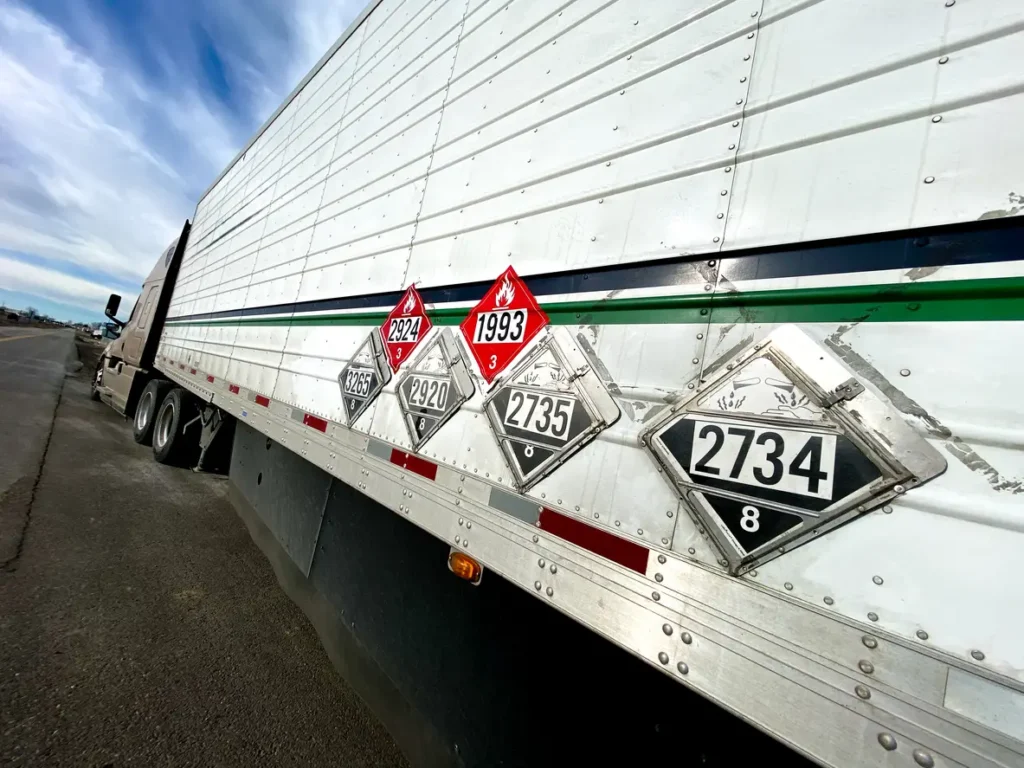
You must also use placards on vehicles that meet federal weight limits.
Missing labels or placards are common violations that lead to heavy fines. Ensuring your loads are marked correctly is the best way to avoid delays.
Complete Shipping Documentation
Every ground shipment needs accurate HAZMAT papers.
These documents must include the UN number, hazard class, and proper shipping name. You must also list the packing group, quantity, and emergency contact info.
Poor paperwork is a major cause of the 2026 lithium battery crisis.
However, it is also one of the easiest problems to solve. With the right process in place, you can ensure every shipment is documented correctly.
Carrier Qualification
Not every carrier with general freight authority is qualified to transport lithium batteries.
Ground shipments require carriers with the appropriate HAZMAT authority, properly trained drivers, and compliant equipment.
Working with an unqualified carrier does not just risk a rejected load. It creates liability exposure for the shipper under federal HAZMAT regulations.
Why Consistent Compliance Is Harder Than It Looks
The lithium battery crisis is a crisis of complexity. Rules change based on battery type, weight, and how they are packed.
A setup that worked last year may need new paperwork or packaging today.
If you ship different products across many lanes, you need more than just a quick check.
Maintaining HAZMAT compliance requires a dedicated expert who pays attention to every detail.
How Jansson LLC Navigates the Lithium Battery Crisis for Ground Shippers

Solving the lithium battery crisis on the ground requires a smart partner. You need someone who knows the rules and the carriers that follow them.
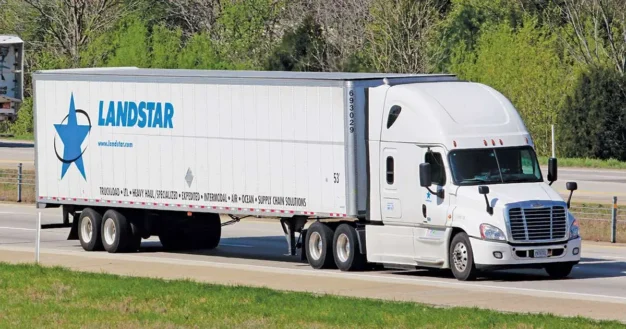
Jansson LLC is a Landstar freight agent with a huge network of carriers. We connect you with experts who are authorized for HAZMAT shipping by truck or rail.
Before any freight moves, we review your paperwork for safety.
Every load travels with a driver who has the right training and equipment.
Shipping batteries incorrectly is a risk to everyone on the road.
Ready to take the stress out of HAZMAT shipping?
Let’s build your 2026 safety plan together. Reach out to Jansson LLC and let an expert handle the details.