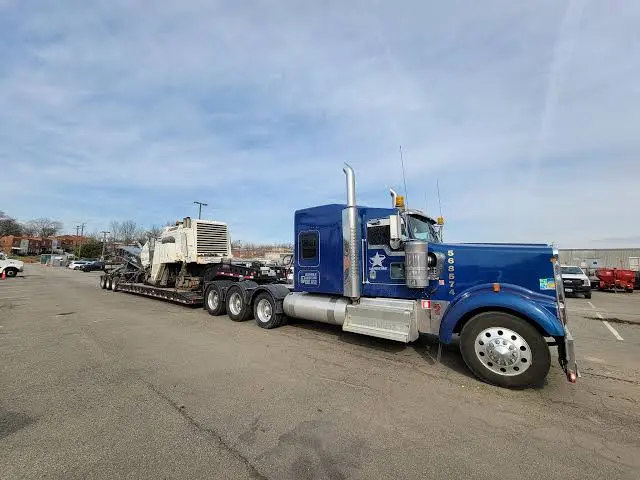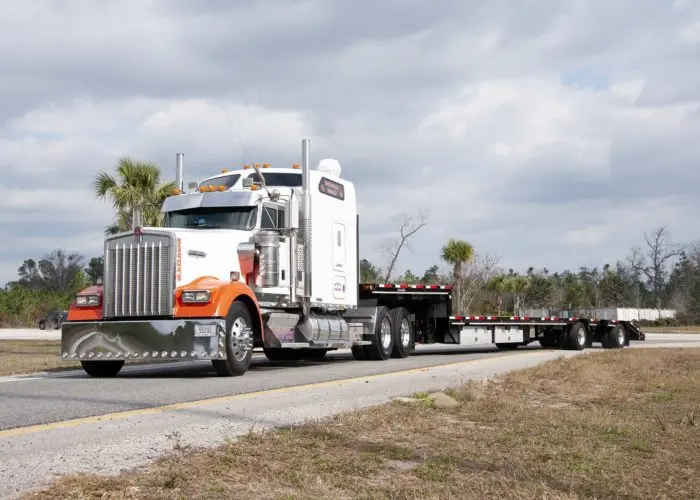
The U.S. trucking industry is short approximately 82,000 drivers in 2026 — and the gap is widening.
New FMCSA CDL eligibility restrictions that took effect in March 2026 are further shrinking the available driver pool, with some analysts estimating a 10 to 15% reduction in available carrier capacity. Spot rates in truckload freight are up 18 to 23% compared to a year ago, with shippers renewing contracts seeing average increases of 12 to 18%, and high-demand lanes exceeding 25% rate hikes.
For businesses that depend entirely on trucks to move freight, this is not a background industry story. It is a capacity risk that is already showing up in rejected loads, tighter availability windows, and invoices that look nothing like last year’s contracts.
The solution is not to abandon trucking. It is to stop depending on it exclusively — and build a freight strategy that uses intermodal rail as a structural safety net.
Why the Driver Shortage Is Structural, Not Cyclical
Previous driver shortages have eased when freight markets softened. This one is different — because it is driven by demographics as much as economics.
The average driver age is 57. The industry loses roughly 100,000 drivers to retirement annually, and new CDL holders number only about 50,000 to 60,000 per year. That is a net loss of 40,000 to 50,000 experienced drivers every year — before any regulatory restrictions are applied.
The ATA projects the industry must recruit 1.2 million new drivers over the next decade — roughly 120,000 per year — just to replace retirees and keep pace with freight demand. That is a pace the industry has never come close to achieving.
The shortage is not going away when the freight market softens. The demographic pressure is permanent. And for shippers who have not diversified their freight strategy, the vulnerability compounds with every retirement wave.
What Happens When Capacity Tightens and You Have Only Trucks
The Outbound Tender Rejection Index — the percentage of contracted loads that carriers are refusing — sat at 14.2% in March 2026, up from 8.5% a year earlier. When carriers reject contracted loads, shippers move down their route guide — to secondary carriers, then spot market. Each step down typically means higher cost and lower service reliability.
In a shortage environment, shippers that maintained balanced carrier relationships — mixing cost, service reliability, and consistent volume — are experiencing substantially fewer disruptions even as the market shifts beneath them.
A truck-only strategy puts every lane at the mercy of driver availability. When that availability tightens — as it has in 2026 — every lane is at risk simultaneously. There is no fallback.
How Intermodal Rail Provides the Safety Net
Rail does not face a driver shortage in the same way trucking does. One train crew moves 200 or more intermodal containers across the country. The labor equation is fundamentally different — and it does not deteriorate the same way when CDL pipelines are disrupted.
That structural difference is why intermodal volumes grew even as truckload volumes dipped negative in spots during the most recent freight cycle. When truck capacity tightens, intermodal becomes more attractive — not just on price, but on availability.
For long-haul lanes over 700 to 750 miles, intermodal delivers 20 to 30% cost savings versus truckload under normal conditions. In a tight driver market, the savings are even larger — because truck spot rates climb while intermodal rates remain relatively stable.
Building a Balanced Strategy
The goal is not to replace trucking with rail. It is to use each mode where it performs best — and to have rail capacity pre-positioned before you need it.
Keep Trucks for Short Hauls and Time-Sensitive Freight
Trucking remains the right choice for hauls under 500 miles, time-critical freight, temperature-sensitive loads, and final-mile delivery. These are the use cases where trucking’s flexibility and door-to-door service cannot be replicated efficiently by rail.
Move Long-Haul, Consistent Freight to Intermodal
Freight that moves consistently on the same long-haul corridors — week after week, at predictable volumes — is the strongest candidate for intermodal. The efficiency advantages are greatest at distance, and the rate stability protects against the trucking market volatility that comes with driver shortage cycles.
Build Carrier Relationships Before You Need Them
Shippers that spent the past two years optimizing for lowest-cost carrier selection are now discovering that cost-first route guides perform poorly when capacity tightens.
The time to build intermodal carrier relationships is before the truck market gets tight — not after you are already struggling to cover loads. Shippers who establish intermodal options now have a safety net in place before the next capacity crunch arrives.
Run a Mode Analysis on Your Top Lanes
Start with your five highest-volume, longest-distance lanes. Calculate the current truck rate, the available intermodal rate, and the transit time difference. For most lanes over 1,000 miles, the cost savings are meaningful, and the transit time difference is manageable.
That analysis tells you exactly where intermodal delivers value — and gives you the data to make the mode shift confidently rather than reactively.
How Jansson LLC Helps U.S. Businesses Build a More Resilient Freight Strategy

A balanced truck-and-rail strategy does not happen by accident. It requires carrier relationships across both modes, lane-by-lane analysis, and a logistics partner who can coordinate the full intermodal move from drayage to rail to final delivery.
Jansson LLC is a Landstar freight agent with access to a nationwide carrier network — including intermodal rail, over-the-road trucking, flatbed, and international shipping options across all 48 contiguous states.
Through the Landstar network, Jansson helps U.S. businesses identify which lanes are strongest for intermodal conversion, build the carrier relationships that provide freight coverage when truck capacity tightens, and develop freight strategies that do not depend on a single mode — or on a driver pool that is shrinking every year.
Contact Jansson LLC today. Let’s build the freight strategy that keeps your supply chain moving — even when the driver market cannot.