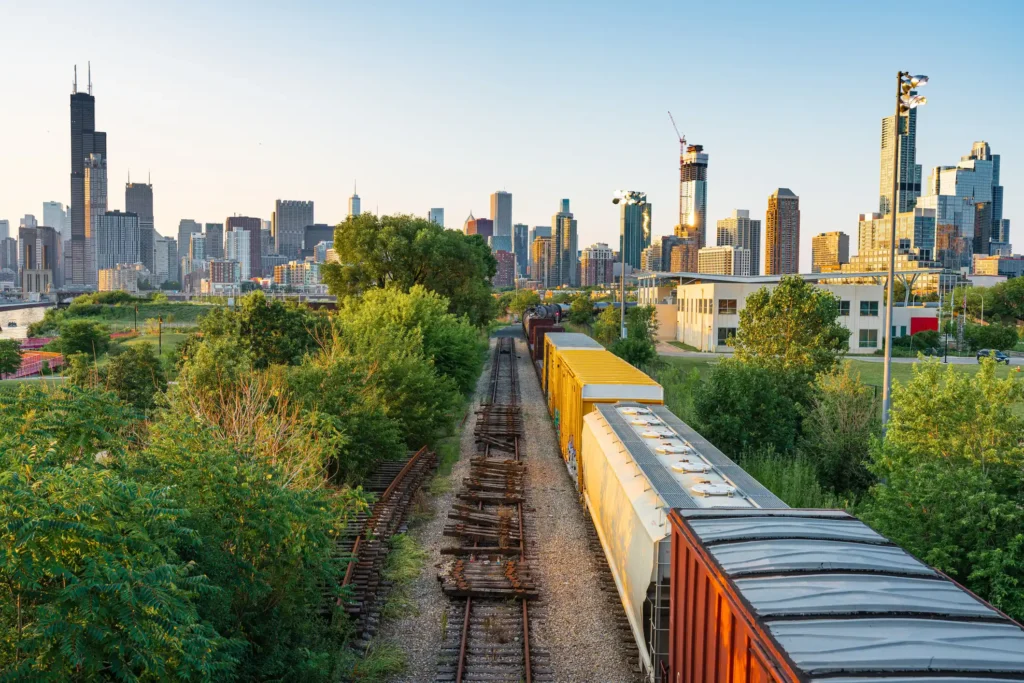
The biggest structural change in U.S. rail freight in decades is moving through the regulatory process right now — and if it closes, it will reshape how intermodal freight moves coast to coast.
On July 29, 2025, Union Pacific and Norfolk Southern announced an $85 billion merger agreement to create America’s first single-line transcontinental railroad. The Surface Transportation Board accepted their merger application on May 28, 2026. The transaction is not yet approved — regulatory review is ongoing, and the companies expect the merger to close in mid-2027 if approved.
For U.S. shippers who move freight long distances by intermodal rail, this is not just a corporate story. It is a supply chain story. Here is what the proposal involves, what it would mean in practice, and why intermodal shippers should be paying attention now.
The Problem the Merger Is Designed to Solve
Today, moving freight by intermodal rail from the West Coast to the East Coast requires a handoff between railroads — because no single carrier operates across the full continent.
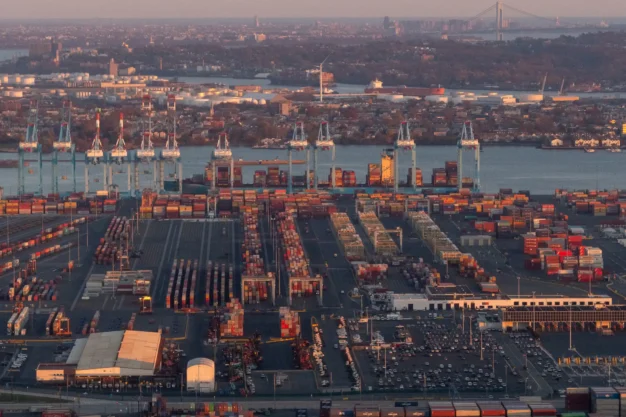
Union Pacific runs the western network. Norfolk Southern runs the eastern network. At the boundary — most commonly Chicago — freight must transfer from one railroad to the other. For high-volume lanes, this transfer can happen efficiently through a steel-wheel interchange. But for lower-volume origin-destination pairs, it often requires a rubber-tire move: a truck physically draying the container between two separate intermodal terminals on opposite sides of the city.
About one million shipments annually — roughly 3,000 per day — are drayed between Chicago intermodal terminals. Each crosstown move can add up to two days of transit time and $300 to $350 in cost per shipment. It also contributes to traffic congestion and air pollution in one of the most congested freight corridors in North America.
The merged railroad would eliminate the need for many of these transfers by creating seamless single-line service across the full continent.
What the Combined Network Would Look Like
The proposed Union Pacific Transcontinental Railroad would span more than 50,000 route miles across 43 states — connecting approximately 100 ports and linking every major container port on both coasts with manufacturing and distribution centers throughout the interior.
The merger would transform 10,000 existing interline lanes — which currently require time-consuming handoffs between railroads — into single-line service. That means a container moving from Southern California to the Southeast or the Ohio Valley would move on a single carrier’s network, with a single bill of lading, without mid-route transfers.
The companies’ STB application projects that the combined railroad would add two new daily intermodal train pairs connecting East and West with more direct service — reducing estimated transit times from Southern California to the Ohio Valley and Northeast by up to 20 hours, and from Southern California to the Southeast by more than two days.
Six premium intermodal lanes operating seven days a week are also planned as part of the combined network.
What This Means for Shippers — If the Merger Closes
The financial case for intermodal shippers is significant if the merger proceeds as proposed.
Shifting freight from higher-cost trucking to lower-cost rail is projected to save shippers an estimated $3.5 billion annually across the combined network. The merger is also expected to remove 2.1 million truckloads from U.S. highways annually — reducing not just cost but congestion, road wear, and emissions.
Today, only 15% of intermodal shipments move in interline service — meaning the vast majority of cross-country intermodal freight already prefers single-line routing where it exists. The merger would dramatically expand where single-line service is available, particularly on lower-volume lanes that currently cannot support efficient steel-wheel interchange.
For shippers, better single-line coverage means fewer delays at interchange points, more predictable transit times, and reduced exposure to the cost and complexity of crosstown drayage.
What Shippers Should Watch
The merger is not yet approved. The STB’s review will examine impacts on competition, service, and the public interest — and will include input from shippers, labor organizations, short line railroads, and competing carriers.
The STB review process is ongoing. The companies expect to close in mid-2027, but regulatory timelines can shift. Shippers should not restructure their freight strategies around this merger until it closes.
What shippers can do now is evaluate their current intermodal lanes — particularly coast-to-coast moves that currently require Chicago crosstown transfers — and understand where single-line service would create meaningful time and cost improvements if the merger proceeds.
The Intermodal Opportunity Is Strong Today — Regardless of the Merger
Even without the proposed merger, intermodal freight is one of the most cost-effective and operationally sound options for long-haul freight in 2026.
Flatbed and dry van trucking capacity is tight. Spot rates are elevated. Fuel costs are at multi-year highs. Rail moves one ton of freight approximately 480 to 500 miles per gallon of fuel — roughly three to four times more fuel-efficient than trucking over long distances.
The merger, if approved, would make intermodal even more competitive. But the case for intermodal on long-haul lanes over 500 miles is already strong — and growing stronger as trucking costs climb.
How Jansson LLC Helps U.S. Shippers Navigate Intermodal Freight
Whether the UP-Norfolk Southern merger closes on schedule or not, the direction of the freight market is clear: intermodal is becoming a more compelling alternative to over-the-road trucking on long-haul lanes — and shippers who build intermodal into their freight strategy now will be better positioned as the network evolves.
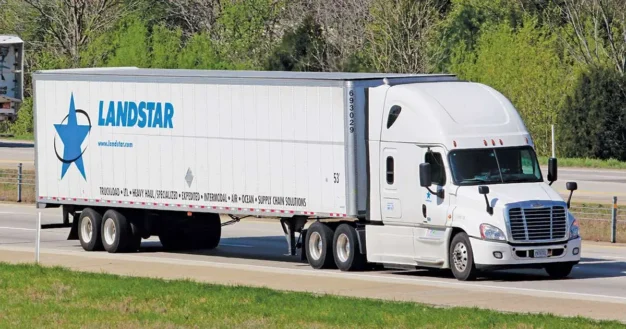
Jansson LLC is a Landstar freight agent with access to a nationwide carrier network — including intermodal rail, over-the-road trucking, flatbed, and international shipping options across all 48 contiguous states.
Through the Landstar network, Jansson helps U.S. businesses evaluate which lanes are strong candidates for intermodal, understand how proposed infrastructure changes affect their freight options, and build freight strategies that stay competitive as market and regulatory conditions evolve.
Contact Jansson LLC today. Let’s build the intermodal freight strategy that works for your lanes — starting right now.