Mexico is the most important trading partner the United States has — and one of the most challenging freight security environments in the world.
Within North America, Mexico represented 56% of reported cargo theft incidents in Q4 2025, according to BSI Consulting’s analysis — significantly more than the U.S. at 36% and Canada at 7%. In Q1 2026, 82% of cargo thefts in Mexico were concentrated in ten states, with 32% of all incidents occurring in the State of Mexico and Puebla.
The good news is that cargo theft in Mexico has been declining. Theft targeting transport operators fell 46% from 2019 to 2025 — a meaningful improvement attributed to coordinated enforcement strategies including Mexico’s Balam security system.
The challenge is that the thefts that do occur are becoming more violent. Canacar reported that 14 truck drivers were killed in highway attacks in the first months of 2026 — highlighting what the organization describes as a shift toward more aggressive tactics by criminal groups. Of the 833 cases reported in the first two months of 2026, 660 involved violence — meaning almost eight out of 10 incidents were classified as violent.
For U.S. businesses shipping freight through Mexico, understanding where the risk concentrates and what mitigation practices actually work is essential.
Where the Risk Is Highest
Cargo theft in Mexico is not evenly distributed. Certain corridors consistently generate the majority of incidents — and knowing which ones affects how you route, what carriers you use, and how you structure your security protocols.
The State of Mexico and Puebla Corridor
The states of Puebla and Mexico surrounding Mexico City represent the highest-risk areas for cargo theft. Highway 150D between Puebla City and Mexico City creates a particular bottleneck where organized criminal groups exploit limited routing options.
83% of thefts occurred during business days, with nighttime remaining the riskiest period for thefts. This combination — daytime volume on limited-route corridors — creates predictable exposure that organized criminal groups exploit systematically.
The Tactics Criminals Use
Criminals employ sophisticated tactics including GPS jamming devices, staged accidents, and impersonation of police officers.
GPS jamming is particularly significant. A trailer whose tracking signal goes dark is a trailer that cannot be located or recovered quickly — and recovery rates drop significantly when real-time tracking is interrupted. Any security strategy that relies solely on GPS tracking without signal-loss protocols has a meaningful gap.
What the Most Targeted Commodities Look Like
Food and beverages represent the most targeted commodities at 32.5%, followed by consumer products at 13.8%.
Electronics, pharmaceuticals, and high-value consumer goods consistently appear in theft data alongside food and beverage. The targeting pattern reflects a combination of resale value and ease of dispersal — goods that can be quickly sold through informal markets without specialized buyers.
Understanding whether your freight category falls into a high-target profile is the first step in calibrating the appropriate security investment.
Best Practices for Protecting Mexican Highway Freight
Knowing where the risk is highest is only useful if it changes how you operate. These practices address the specific vulnerabilities that organized criminal groups exploit most consistently on Mexican highway corridors.
Use GPS Tracking With Signal-Loss Alerts
Standard GPS tracking is table stakes. What differentiates effective monitoring from ineffective monitoring is signal-loss alerting — a protocol that triggers an immediate response when tracking goes dark, rather than waiting for a scheduled check-in that may be hours away.
Key security measures include GPS tracking every three seconds, vetted escort services, panic buttons, and avoiding predictable routes. The three-second update interval is what enables real-time recovery coordination — not the hourly or daily updates that many basic tracking systems provide.
Avoid Predictable Routing and Departure Patterns
Organized criminal groups monitor freight patterns. Shipments that consistently depart at the same time, use the same route, and stop at the same locations create predictable targets.
Route variation, departure time variation, and stop discipline — avoiding unscheduled stops, particularly in high-risk corridors — are among the most effective low-cost security measures available. Monitoring traffic conditions to delay departures during congestion is a specific practice that reduces exposure during the periods when highway crime is most concentrated.
Use Vetted, Established Carriers With Security Protocols
Not all Mexican carriers operate with the same security standards. The difference between a carrier with active security protocols — GPS monitoring, driver communication systems, route reporting — and one without them is significant in a high-risk corridor.
Carrier vetting should include review of their tracking capabilities, their incident history, and whether they participate in Mexico’s Balam coordination system — which enables real-time driver-to-security-force communication and has contributed to the national theft reduction trend.
Understand Your Insurance Position Before the Load Moves
Mexican law permits carriers to claim force majeure defenses for hijackings, often limiting liability to approximately US$90 per tonne — leaving cargo owners substantially exposed without first-party cargo insurance.
For high-value goods, the gap between carrier liability and actual cargo value can be enormous. Confirming your insurance coverage for Mexican transit — not assuming your standard cargo policy applies — is a pre-shipment step that many U.S. shippers overlook until a claim makes the coverage gap visible.
Consider Escort Services for High-Value Cargo
For the highest-value loads in the highest-risk corridors, security escort services provide an additional layer of deterrence and response capability. The trade-off is cost and visibility — escorts signal that the cargo is valuable. For the right cargo on the right corridors, that trade-off is clearly justified.
How Jansson LLC Helps U.S. Businesses Move Freight Through Mexico Safely
Cross-border freight security is not just a Mexican carrier selection problem. It is a logistics partner selection problem — because the visibility, carrier vetting, and route expertise that protect your freight begin before the truck rolls.
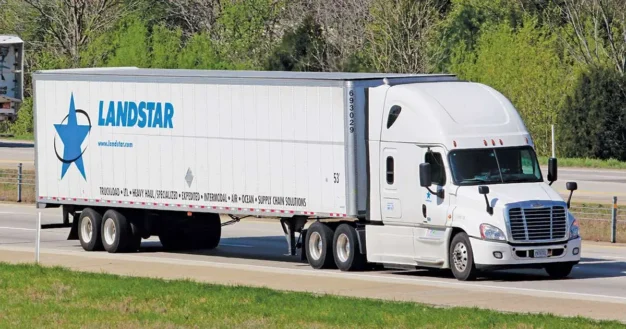
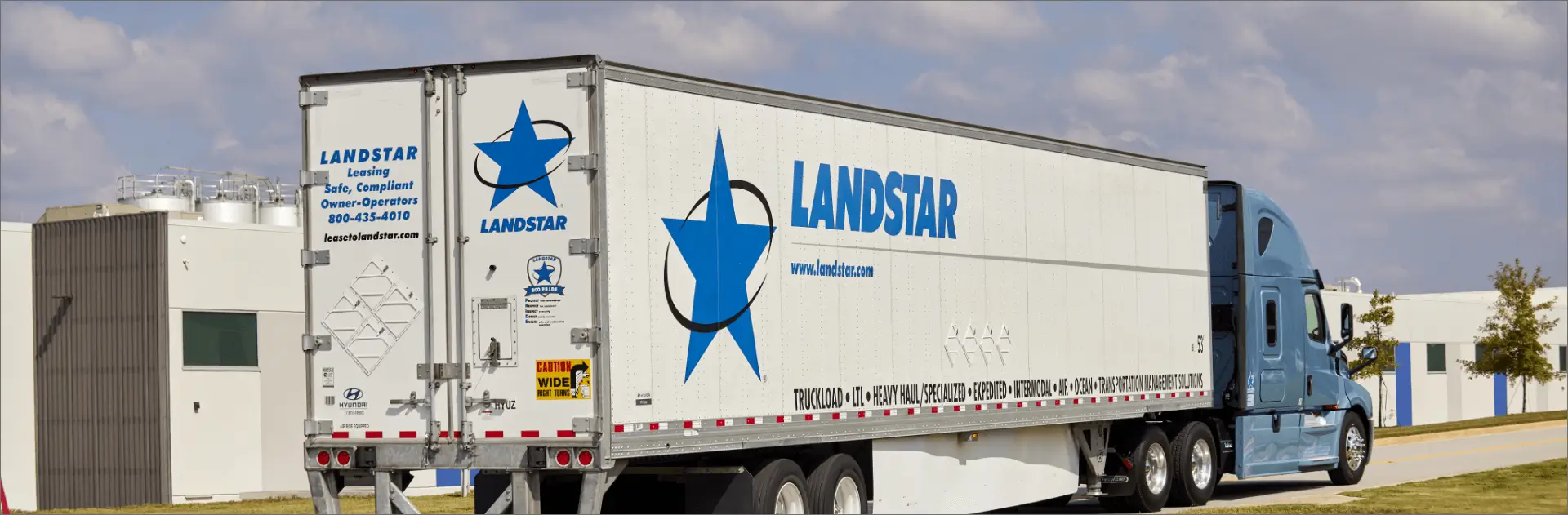
Jansson LLC is a Landstar freight agent with access to a nationwide carrier network — including experienced cross-border operators on U.S.-Mexico corridors who understand security protocols, documentation requirements, and the carrier standards that reduce freight exposure on Mexican highways.
Contact Jansson LLC today. Let’s make sure your cross-border freight is moving with the right carriers — and arriving safely on the other side.