You open the container doors. The smell hits first — damp cardboard mixed with mildew. Dark patches spread across the outer layers of your cargo. Ten percent of the shipment is compromised before it ever reaches your warehouse.
This scenario plays out daily for importers worldwide. The cause is not a leak. It is not poor packaging. It is a predictable physical phenomenon that costs the global supply chain an estimated $6 to $8 billion every year — and it is almost entirely preventable.
It is called container rain. And if your business ships goods by ocean freight, understanding how it works is one of the most financially impactful things you can do.
What Container Rain Actually Is
Container rain is the condensation that forms inside a sealed shipping container when warm, humid air cools down and turns into water droplets on the interior surfaces — the walls, the ceiling, and eventually the cargo itself.
It is not caused by water entering from outside. It is caused by water vapor already inside the container going through repeated cycles of evaporation and condensation as the container moves through different climate zones during transit.
The physics is straightforward. Warm air holds more moisture than cold air. As the container moves from a warm climate to a cooler one — or simply cools overnight — the air inside can no longer hold its moisture content. The excess vapor condenses on the coldest surfaces in the container. Those surfaces are typically the metal walls and ceiling — which then drip onto the cargo below.
On long transoceanic routes — particularly those crossing the equator or passing through monsoon regions — containers can experience dramatic temperature swings of 30°C or more between day and night. Each cycle produces condensation. Over a 30-day voyage, the cumulative effect can saturate packaging, rust metal components, destroy electronics, and cause mold growth on textiles and food products.
Why Certain Cargo Types Are Most Vulnerable
Not all cargo is equally at risk — but the range of affected products is wider than most importers realize.
Packaged Goods and Paper-Based Packaging
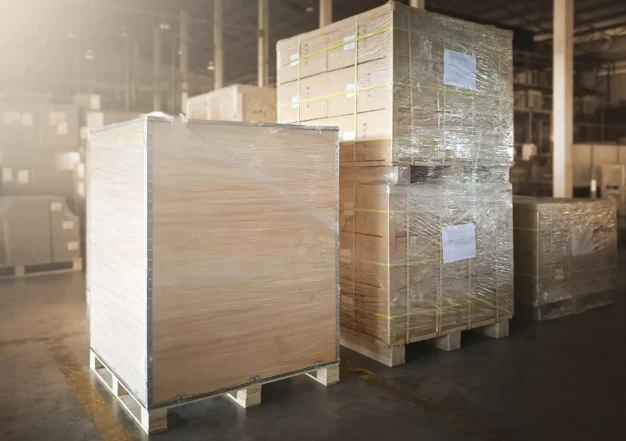
Corrugated boxes absorb moisture and lose structural integrity rapidly. A shipment that arrives with compromised outer packaging creates downstream warehouse and retail problems — even when the product inside is undamaged. For commodities like paper, books, and printed materials, even moderate humidity exposure can render the entire shipment unsellable.
Metals and Industrial Equipment
Steel, iron, and aluminum components begin to oxidize when relative humidity exceeds 60%. A single transoceanic voyage through humid conditions can produce surface rust that requires costly treatment before the parts can be used — or that disqualifies them from quality standards entirely.
Electronics and Precision Instruments
Moisture causes short circuits, corrodes electrical contacts, and degrades sensitive components. Electronics that arrive visibly dry can still carry invisible moisture damage that manifests as reliability failures weeks after installation.
Textiles and Leather Goods
Natural fibers absorb moisture readily. Mold and mildew can develop within 48 hours in a humid container environment — producing odors and staining that make the goods unsaleable without remediation.
Food and Pharmaceutical Products
Moisture damage in food and pharmaceutical shipments produces spoilage, mold, and regulatory rejection at the destination port. Shipping condensation prevention directly determines whether a shipment is accepted or rejected.
The Prevention Framework That Actually Works
The cost of prevention — primarily desiccants — represents only 0.1 to 0.3% of the value of a typical cargo. That is a negligible premium against a loss that can destroy 10 to 100% of the value of an entire shipment.
Prevention requires addressing moisture at every stage — before loading, during stuffing, and through the voyage itself.
Inspect the Container Before Loading
Not all containers are dry when they are assigned to your shipment. Previous cargo, rain exposure during loading, and residual moisture from cleaning can all introduce water vapor before a single piece of your cargo goes in.
Inspect the interior for visible moisture, staining, and any signs of previous water ingress. Check door seals for integrity. A container that smells musty before loading is a container that will produce moisture damage during transit.
Ensure Cargo Is Dry Before Stuffing
One of the biggest mistakes is loading cargo that already contains moisture. Even the best container desiccant cannot fully solve problems caused by wet cargo. Cargo that has been stored in humid conditions, exposed to rain during transit to the loading facility, or packaged in damp materials introduces moisture that compounds the condensation problem throughout the voyage.
Use Desiccants — Correctly
Container desiccants work by absorbing airborne moisture before it condenses, keeping the relative humidity inside the container below the critical threshold — typically below 60% RH — at which mold, corrosion, and cargo damage become serious concerns.
Calcium chloride desiccants are the most effective option for long ocean voyages — they absorb significantly more moisture per unit weight than silica gel and maintain effectiveness across the temperature ranges encountered during transoceanic transit.
Hang desiccants on container walls or place them horizontally above cargo — avoid bottom placement that reduces absorption efficiency. Standard dosage starts at 500 grams per cubic meter, adjustable based on cargo sensitivity and transit duration.
Containers using properly specified desiccants experience moisture damage at rates 85 to 95% lower than unprotected containers on comparable routes.
Use Moisture Barrier Packaging for High-Value Cargo
For electronics, precision instruments, and high-value goods, desiccants alone may not be sufficient. Moisture barrier bags — metallized foil pouches that prevent vapor transmission — provide an additional layer of protection for individual items or cartons.
The combination of barrier packaging and desiccants addresses both the humidity in the container atmosphere and the direct contact risk from condensation on container walls.
Plan Routes and Seasons Strategically
Some shipping routes are inherently higher risk for container rain than others. Schedule shipments outside rainy seasons when possible. Minimize port dwell times and monitor weather forecasts to adjust logistics plans for unexpected conditions.
Long dwell times at ports in tropical or humid climates add significant moisture exposure before the main voyage even begins. A shipment that sits at a Southeast Asian port for five days during monsoon season arrives at the vessel already at elevated humidity levels.
How Jansson LLC Helps U.S. Businesses Protect Cargo in Transit
Container rain is a shipper’s problem — but carrier selection, routing, and logistics coordination all affect the moisture exposure your cargo experiences during transit. Working with experienced logistics partners who understand documentation requirements, transit time optimization, and port dwell minimization reduces your overall risk exposure.
Jansson LLC is a Landstar freight agent with access to a nationwide carrier network — including experienced international freight operators who understand the logistics coordination that keeps cargo moving efficiently through ports and across borders, minimizing the dwell times and transit delays that compound moisture exposure during ocean freight.
Contact Jansson LLC today. Let’s build the freight strategy that gets your cargo to its destination on time — and in the condition it left in.