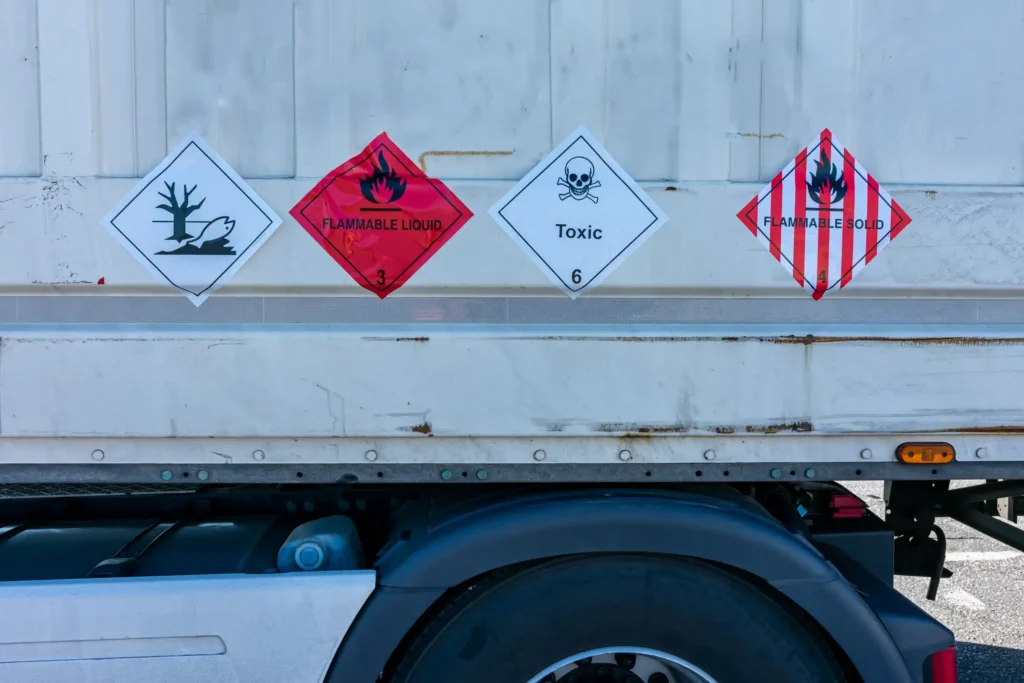
Getting your chemical classification wrong on dangerous HAZMAT shipments is one of the most common mistakes found during government audits.
Most of these expensive errors involve a single, confusing puzzle: the true difference between combustible vs flammable liquids.
Many companies shipping paints, glues, fuels, and solvents assume they automatically know their product category.
Unfortunately, a lot of them are completely wrong.
This simple misunderstanding can quickly ruin a business budget by triggering heavy fines, delayed trucks, and stressful audits.
Reviewing what federal safety guidelines actually require is the best way to protect your company.
Why Flammable and Combustible Are Not the Same Thing
People often swap these two words during normal everyday conversations.
Under official DOT HAZMAT Regulations, however, they are completely separate legal categories with different rules and labeling steps.
According to 49 CFR 173.120, a liquid is legally flammable if its flash point sits at or below 140°F (60°C).
On the other side, a combustible liquid is any fluid that has a flash point above 140°F (60°C) but below 200°F (93°C).
The exact flash point temperature is the key number to look for.
This term describes the absolute lowest temperature where a liquid creates enough invisible gas to catch fire from a spark.
Finding this number tells you which chemical classification rules to follow, which stickers to use, and what paperwork to fill out.
One surprising detail catches many American business owners off guard.
The specific combustible chemical classification is only valid for ground shipping within the United States.
If your freight moves by air, ocean, or crosses international borders, these items must be treated under strict flammable rules.
The Packing Group Layer That Most Shippers Skip
Your chemical classification duty does not simply end after choosing between flammable and combustible options.
Flammable liquids are split even further into three distinct packing groups based on their boiling points and flash points.
Packing Group I represents the most dangerous liquids, which boil very quickly and catch fire at low temperatures.
Group II covers medium-danger liquids, while Group III represents the lowest hazard level for flammable items.
Every single group demands special box types, unique warning stickers, and strict weight limits.
Skipping this extra step or picking the wrong group is a frequent error that inspectors uncover.
The Reclassification Option Most Shippers Miss
A special loop in the safety rulebook creates both great financial opportunities and a lot of confusion.
Certain flammable liquids can legally be reclassified and shipped under simpler combustible rules.
This trick only works if the liquid’s flash point is between 100°F and 140°F, stays inside the U.S., and travels only by trains or highways.
Switching categories matters because small boxes of combustible liquids are mostly exempt from tough HAZMAT Regulations during ground travel.
Your warehouse team can utilize way fewer stickers and simpler paperwork, saving you a lot of time and money.
Applying this rule shortcut to a product that does not actually qualify will result in a huge safety fine, however.
Where Chemical Classification Errors Most Often Occur
Most mistakes do not happen because a business owner is lazy.
They happen because a worker used the wrong rulebook for their shipping needs.
Using OSHA Data Instead of DOT Data
This represents the absolute biggest source of confusion for shipping teams.
Groups like OSHA and the EPA define fires using different temperature limits than transport groups.
A chemical that looks safe on an OSHA factory poster might require strict truck rules under 49 CFR.
Both types of liquids fall under Class 3 hazardous materials according to federal transport rules.
Relying only on a factory Safety Data Sheets (SDS) sheet or an OSHA label to determine your shipping group is a mistake that auditors catch all the time.
Outdated or Incorrect Flash Point Data
Flash points can shift whenever a chemical supplier updates a product formula.
A liquid modified by your supplier might have a totally different ignition temperature than the version you shipped last month.
Failing to update your chemical classification records after a product change means you are likely shipping illegally.
Misidentifying Mixtures
Many industrial fluids are actually blends of different ingredients with varied flash points.
Certain chemical mixtures get a special pass if their highly dangerous parts make up less than 1% of the total volume.
Guessing incorrectly on a liquid blend creates immediate legal risks for your company.
What Correct Chemical Classification Actually Requires
Hitting total Workplace Safety Compliance requires three specific steps completed in the exact right order.
First, grab the newest safety sheet and confirm the true flash point.
Second, use the definitions in 49 CFR 173.120 to find your official hazard class and packing group.
Third, double-check if any legal reclassification shortcuts apply to your ground route.
Remember that analyzing your inventory is not a one-time project.
Anytime your product ingredients, suppliers, or truck routes change, your records must be reviewed.
How Jansson LLC Utilizes Chemical Classification to Help U.S. Shippers Move Freight Safely
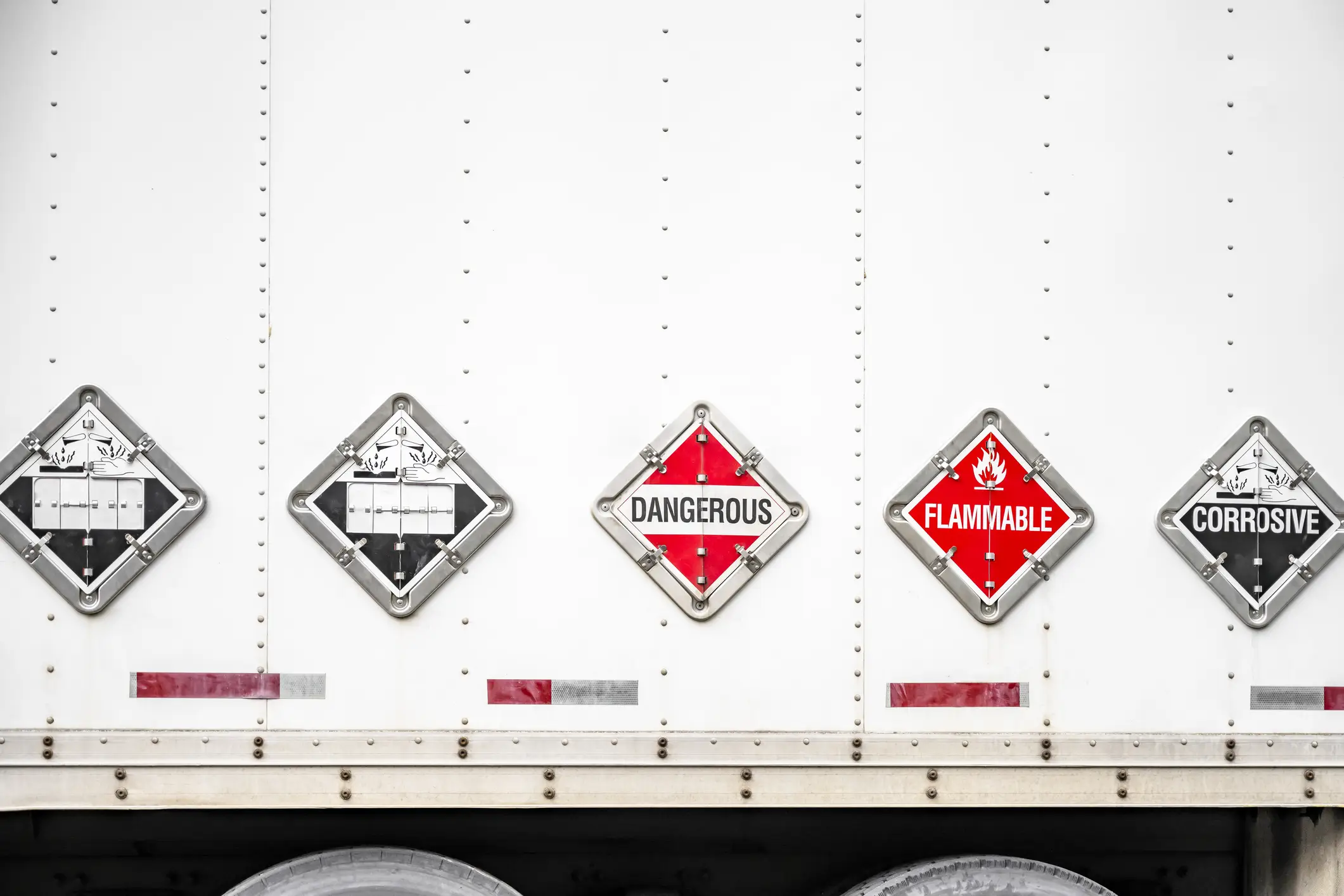
Finding the correct chemical classification is exactly where your HAZMAT Safety strategy begins.
Picking the right trucks, filling out documents, and selecting safe routes are equally important steps.
Jansson LLC operates as an independent Landstar freight agent with a massive nationwide network of experienced drivers.
Their trusted connections include flatbeds, standard dry vans, and temperature-controlled trucks across all 48 states.
Partnering with Jansson LLC ensures your HAZMAT cargo moves with carriers who truly understand federal rules.
Experts will check your paperwork before the truck leaves the dock to protect your business from costly violations.
Achieve total logistics clarity and seamless route planning by letting Jansson LLC handle the complex verification details required for your chemical cargo.