
Proper HAZMAT temperature management is one of the most overlooked safety rules in American shipping, and it is also one of the most expensive things to get wrong.
Most business owners focus their energy only on organizing and filling out paperwork for dangerous cargo.
This documentation is definitely necessary, but it is simply not enough.
The official DOT HAZMAT Regulations under 49 CFR Parts 100-180 cover more than just what dangerous materials are.
These laws also dictate the exact conditions under which items must travel, including strict temperature rules for sensitive goods.
Failing to follow these federal laws can lead to major trouble. Each violation of the Hazardous Materials Regulations can result in a civil fine of up to $102,348.
That penalty can jump up to $238,548 if the mistake causes a death, severe illness, bad injury, or huge property destruction.
When a sensitive shipment gets ruined by heat or cold, these heavy fines hit your business on top of clean-up costs and lawsuit liabilities.
The good news is that mastering HAZMAT temperature management is totally doable if you know what to look for before the truck drives away.
Why Temperature Is a Compliance Variable, Not Just a Logistics Preference
Here is the main problem to think about.
A material can be perfectly organized, correctly labeled, and fully documented when it leaves your warehouse.
It can still quickly become a major legal issue during the trip if its heat or cold exposure is ignored.
Federal safety groups like PHMSA specifically demand temperature-controlled environments for certain types of Hazardous Materials.
This rule applies to specific items like Type B organic peroxides, which have strict control and emergency temperatures that must never be exceeded.
These rules are not just friendly suggestions. They are official obligations with real legal teeth.
A truck company that takes a temperature-sensitive load without the proper equipment is breaking the law, and so is the shipper who hired them without checking.
The Four Cargo Categories Where This Matters Most
Many people are surprised to learn that common products moved every day actually fall into sensitive territory.
Here is where the hidden dangers show up most often and what hazmat temperature management looks like for each group.
Flammable Liquids and Aerosols
Flammable liquids have flash points, which means the exact temperature where their invisible vapors can catch fire.
Vapors build up much faster inside containers as temperatures rise.
Spray cans exposed to heat above 120°F can actually burst or explode, turning a normal consumer product into a major disaster.
Keeping these loads safe requires truck drivers to use good vehicle ventilation.
They must use shade during stops and plan routes that avoid extreme summer heat.
Lithium Batteries and Electronics
Lithium batteries are highly sensitive to both heat and cold.
Temperatures above 140°F can trigger dangerous thermal runaway, which is a chain reaction that causes rapid overheating and fires.
Freezing cold weather can damage battery cells and cause short circuits later on.
Because data centers are growing quickly, shipping these items requires careful attention.
International rules like the IMDG Code and the ICAO Dangerous Goods guidelines are actually much stricter for batteries than most people realize.
Reactive Chemicals and Oxidizers
Federal HAZMAT Compliance rules specifically require cold or cool transport for certain self-reactive substances.
These materials are widely used in farming and manufacturing, and they are perfectly stable at normal room temperatures.
The danger starts when the weather outside pushes them past their safe zone.
Successful HAZMAT temperature management for chemicals means knowing the exact emergency numbers and hiring a crew that understands them.
Compressed Gases
Gas cylinders used for welding or medical oxygen are pressurized containers. Heat builds up intense pressure inside them.
Tanks exposed to high heat can suffer catastrophic failure or burst open.
Proper ventilation, sun shields, and smart path planning are all part of responsible HAZMAT temperature management for gas tanks.
The Compliance Gap in Practice
Most shipping failures involving weather are not caused by lazy business owners.
They happen because a shipper completed the first half of compliance perfectly but handed the load to a driver without checking their truck equipment.
A standard trailer parked in Arizona during July can easily reach an inside temperature of 150°F.
That same trailer left in Minnesota during January can drop way below zero.
These are routine weather conditions, but they pose a genuine risk to sensitive goods.
Official trucking laws require carriers to use appropriate vehicles for HAZMAT Transport.
Booking a load with a driver who lacks the right cooling tools creates massive compliance risks for your brand.
What Effective Hazmat Temperature Management Looks Like
Getting this right requires focusing on four key steps.
Before booking
Check your cargo against federal tables to find the exact control temperatures.
Carrier selection
Verify the truck company has the correct HAZMAT Training and appropriate cooling equipment.
During transit
Confirm your driver has a solid plan to track temperature exposure on long trips.
Documentation
Keep clear records of your written safety parameters and carrier confirmations. If you face a government audit, your paperwork is your very best defense.
How Jansson LLC Helps U.S. Businesses Master Hazmat Temperature Management

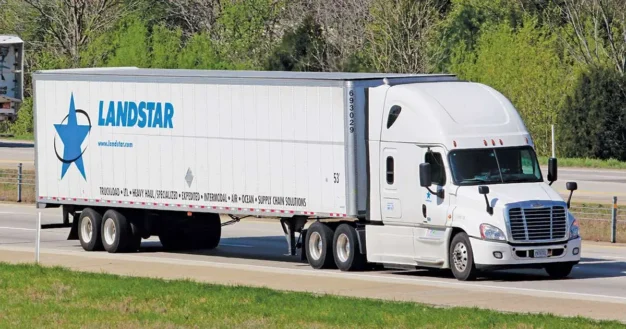
Your business can easily solve these shipping headaches by partnering with a trusted Landstar freight agent like Jansson LLC.
They have access to a massive nationwide network of experienced operators who follow strict OSHA HAZMAT Guidelines.
Their connections cover flatbed trailers, dry vans, and temperature-controlled vehicles for hazardous goods across all 48 states.
Working with Jansson LLC helps American businesses confirm their exact HAZMAT temperature management needs before any contract is signed.
Experts will match your sensitive cargo to trucks that have the perfect gear and certifications.
This teamwork allows you to move dangerous goods safely while maintaining total HAZMAT Safety on every route.
Contact Jansson LLC today to ensure your sensitive HAZMAT freight stays safe, compliant, and perfectly chilled from start to finish.