A single wrong HTS code can cost a U.S. importer more than the shipment itself is worth — and in 2025 and 2026, the risk of getting caught has never been higher.
U.S. Customs and Border Protection completed 200 audits in just the first four months of 2025 — recovering $134 million in duties and already surpassing the entire previous year’s collections. That represents a 67% increase in audit activity compared to the same period in 2024. Misclassification errors remain the leading cause of penalties, accounting for 42% of all CBP assessments.
For any U.S. business importing goods, HTS classification is not a paperwork detail. It is a compliance obligation with significant financial consequences when it goes wrong.
What an HTS Code Actually Is
The Harmonized Tariff Schedule of the United States uses 10-digit codes to classify every product that crosses the U.S. border. The first six digits follow the international Harmonized System — shared with over 200 countries worldwide. The final four digits are U.S.-specific and set the precise duty rate, trade remedy applicability, and statistical category for each product.
The HTSUS currently contains approximately 17,000 active 10-digit lines. Two products that share the same six-digit international code can trigger dramatically different duty rates in the U.S. depending on those final four digits. On a $50,000 shipment, misclassifying a USMCA-eligible product as a non-qualifying line can cost $5,000 in duties you should never have paid.
And CBP can reclaim duties on misclassified shipments going back five years from the entry date.
What Happens When the Code Is Wrong
HTS misclassification creates three categories of financial exposure — and they can all arrive at the same time.
Unpaid Duties Plus Interest
When CBP identifies a misclassification, it issues a bill for the difference between what was paid and what was owed — plus interest. If the error has repeated across dozens or hundreds of entries over multiple years, the total can reach six figures before penalties are even calculated.
Penalties Under 19 U.S.C. § 1592
CBP’s penalty structure scales with the level of culpability:
Negligence — failure to exercise reasonable care — carries penalties of up to two times the lost duties, or 20% of the dutiable value if no duties were lost.
Gross negligence — reckless disregard for accuracy — carries penalties of up to four times the lost duties, or 40% of the dutiable value.
Fraud — intentional misclassification — carries penalties equal to the full domestic value of the merchandise, plus potential criminal prosecution.
In July 2025, a U.S. court upheld a $26 million jury verdict against an importer who filed false customs statements to avoid duties. The case sent a clear signal that courts and CBP are not treating misclassification leniently — intentional or not.
Shipment Delays and Holds
Beyond financial penalties, a code mismatch triggers inspection. CBP routinely involves FDA, USDA, or CPSC once a flag goes up. Freight that cannot enter the country — while you pay storage and demurrage — is often more disruptive than the fine itself.
Why Misclassification Happens More Than Importers Expect
Most HTS errors are not the result of bad intent. They are the result of specific, predictable mistakes that happen in ordinary business operations.
Classifying by product name instead of physical characteristics
The HTS classifies goods by their physical attributes, composition, and function — not by what they are called commercially. A product named one thing may be classified as something entirely different under the HTS hierarchy.
Using the supplier’s code without verification
Exporters in other countries may classify products under their own national codes, which do not always match the U.S. HTS. Copying a supplier’s code without independent verification is one of the most common compliance failures in cross-border trade.
Failing to update classifications when products change
A product accurately classified two years ago may move into a new category if its materials, components, or intended use has changed. Many importers classify a product once and use the same code indefinitely. Section 301 tariffs, USMCA rules of origin, and CBP ruling updates can all change what a correct classification looks like — without any notification to the importer.
Misclassifying sets and multi-component products
Products imported as kits or sets require special classification treatment under the General Rules of Interpretation. Importers frequently declare multi-item shipments as sets when they do not qualify, which CBP auditors specifically look for.
What Reasonable Care Actually Requires
Under Section 484 of the Tariff Act of 1930, the importer of record is legally responsible for exercising reasonable care in classifying and valuing their imported goods. That responsibility does not transfer to a customs broker. A broker can face license consequences for systematic errors — but CBP’s primary enforcement target remains the importer.
Reasonable care means verifying classifications against the current HTSUS at hts.usitc.gov before each shipment. It means cross-referencing CBP rulings at rulings.cbp.gov. It means requesting a Binding Ruling from CBP for complex or high-value products where classification uncertainty exists — a free process that takes 30 to 90 days and legally locks in the classification for that product before it reaches the port.
It also means maintaining documentation for at least five years. CBP typically gives importers 30 days to respond to audit requests. Inability to produce required documentation is itself a violation.
How Jansson LLC Helps U.S. Businesses Navigate Cross-Border Compliance
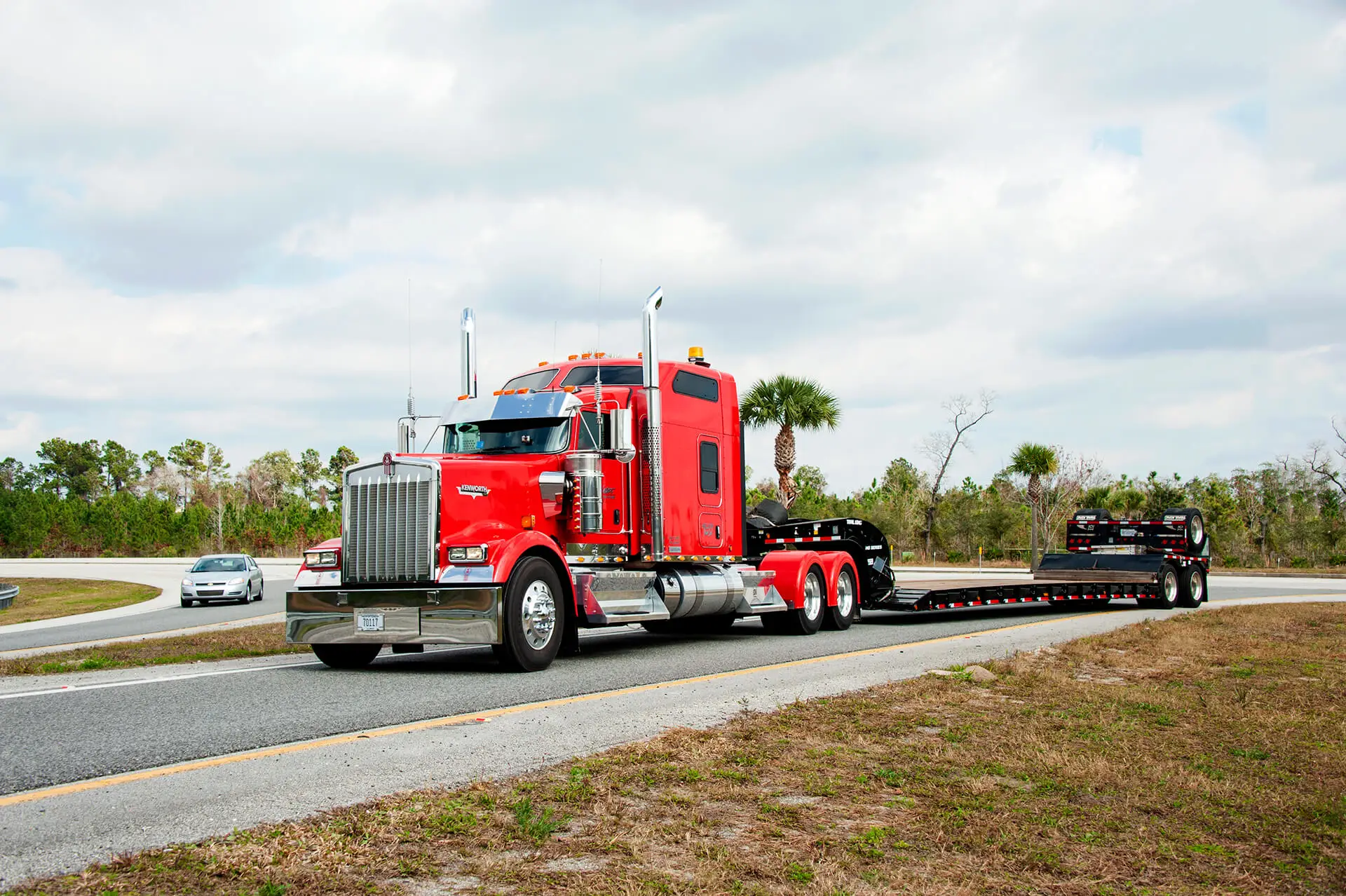
HTS classification is where cross-border freight compliance starts — but carrier selection, documentation coordination, and customs broker relationships are equally important in ensuring freight clears without delays, holds, or enforcement actions.
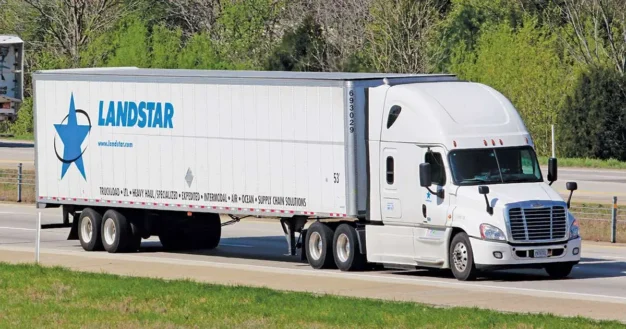
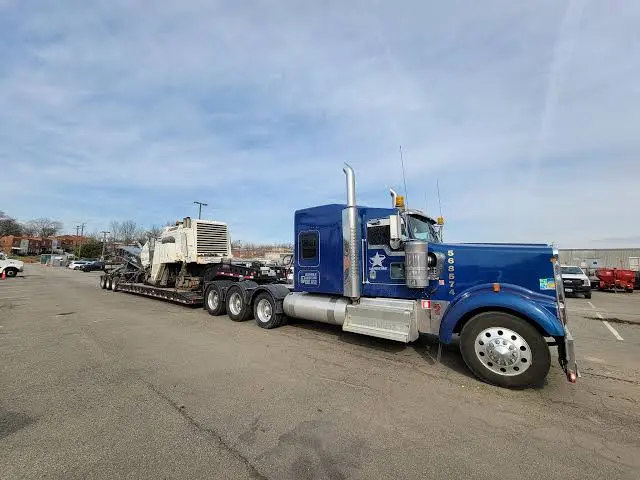
Jansson LLC is a Landstar freight agent with access to a nationwide carrier network — including experienced cross-border operators who move freight across U.S.-Mexico and U.S.-Canada corridors and understand the documentation requirements that keep international shipments compliant and on schedule.
Contact Jansson LLC today. Let’s make sure your cross-border freight is moving with the right carrier, the right documentation, and the compliance confidence your business needs.