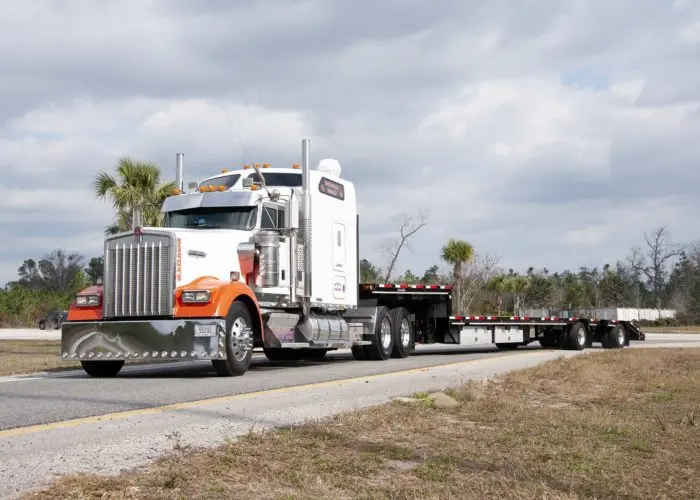

A missing placard. A faded diamond. A sign obscured by a door hinge.
Any one of these is enough for an inspector to write a violation — and with civil penalties reaching up to $102,348 per occurrence, placarding errors are among the most costly compliance failures in hazmat transportation.
In 2023, FMCSA recorded over 4,600 roadside inspection violations related to placarding — more than 12 per day. These are not exotic or complicated infractions. They are the same preventable mistakes, repeated across thousands of shipments, by shippers and carriers who either did not know the rules or did not apply them consistently.
Here is what you actually need to know.
What a Hazmat Placard Is — and What It Is Not
Placards are diamond-shaped signs displayed on the exterior of transport vehicles to identify the hazard class of materials being carried. They are designed to be visible from a distance and provide immediate recognition of the type of hazard present.
This is a critical distinction that many shippers miss: placards go on the vehicle or freight container. Labels go on individual packages. Markings identify what is inside. All three must tell the same story — the hazard class, the proper shipping description, and the UN or NA identification number. If any element conflicts, responders and inspectors lose trust — and violations follow.
When Placards Are Required
Under 49 CFR Part 172, Subpart F, placarding requirements depend on which table the hazardous material falls under.
Table 1 Materials: Any Quantity
Table 1 materials must be placarded for any quantity — no minimum threshold. This includes explosives, poison gas, dangerous when wet materials, radioactive materials, and organic peroxides.
If even a single package of Table 1 material is on the vehicle, the appropriate placard must be displayed on all four sides of that vehicle. No exceptions.
Table 2 Materials: 1,001 Pounds or More
For Table 2 materials — which include most flammable liquids, flammable solids, oxidizers, corrosives, and miscellaneous hazmat — placards are required when the aggregate gross weight of all hazardous materials in non-bulk packages reaches 1,001 pounds (454 kg) or more.
Below that threshold, placards are not required for highway transport — but the exemption applies only to the aggregate weight of hazmat in non-bulk packaging. Bulk packaging always requires placards regardless of quantity.
Mixed Loads
When a vehicle carries both Table 1 and Table 2 materials, all applicable placards must be displayed — even if the Table 2 materials are below the 1,001-pound threshold. The presence of a Table 1 material triggers full placarding requirements for the entire load.
The Four-Sided Rule
When placards are required, they must appear on each side and each end of the transport vehicle — four placard locations minimum. This rule applies to the vehicle itself, not just the cargo.
There is no regulatory requirement specifying exactly how high or low the placard must be positioned on the vehicle. But several other placement requirements do apply.
Specific Placement Requirements Under 49 CFR 172.516
Most placarding violations are not caused by choosing the wrong placard. They are caused by positioning, attachment, and visibility issues that develop between loading and delivery — and that a systematic pre-departure check would catch every time. Here is where the rules get specific.
Secure Attachment
Each placard must be securely attached to the vehicle or placed in a holder. A placard that flaps, rotates, or falls off during transit is a violation — regardless of whether it was originally placed correctly.
Distance From Markings
Each placard must be located at least 3 inches (76 mm) away from any marking — such as advertising — that could reduce its effectiveness. A placard positioned directly next to large lettering or a brand logo may technically be present but functionally obscured. That is a citable violation.
Protection From Dirt and Water
So far as practicable, placards must be located so that dirt or water from the vehicle’s wheels is not directed onto them. A placard positioned low near a wheel well that becomes caked with road grime after 500 miles is a compliance problem — even if it was clean at departure.
Visibility During Loading and Unloading
Placards must remain visible during the loading and unloading process. A placard hidden behind an open door or access panel during a dock stop is technically non-compliant for the duration of that stop.
Size and Design Requirements
Hazmat placards must measure at least 250 mm (9.84 inches) on each side with a solid inner border line. This is the minimum — placards may be larger but not smaller.
Color requirements are specific and must meet Munsell color code standards. Flammable red must match Munsell 7.5R 4/14. Colors that have faded or distorted beyond tolerance are non-compliant — even if the shape and symbol remain visible.
The material must be weather-resistant and durable enough to remain legible throughout the journey. A tagboard placard that disintegrates in rain is not compliant, regardless of how correct it was at origin.
UN Identification Numbers on Placards
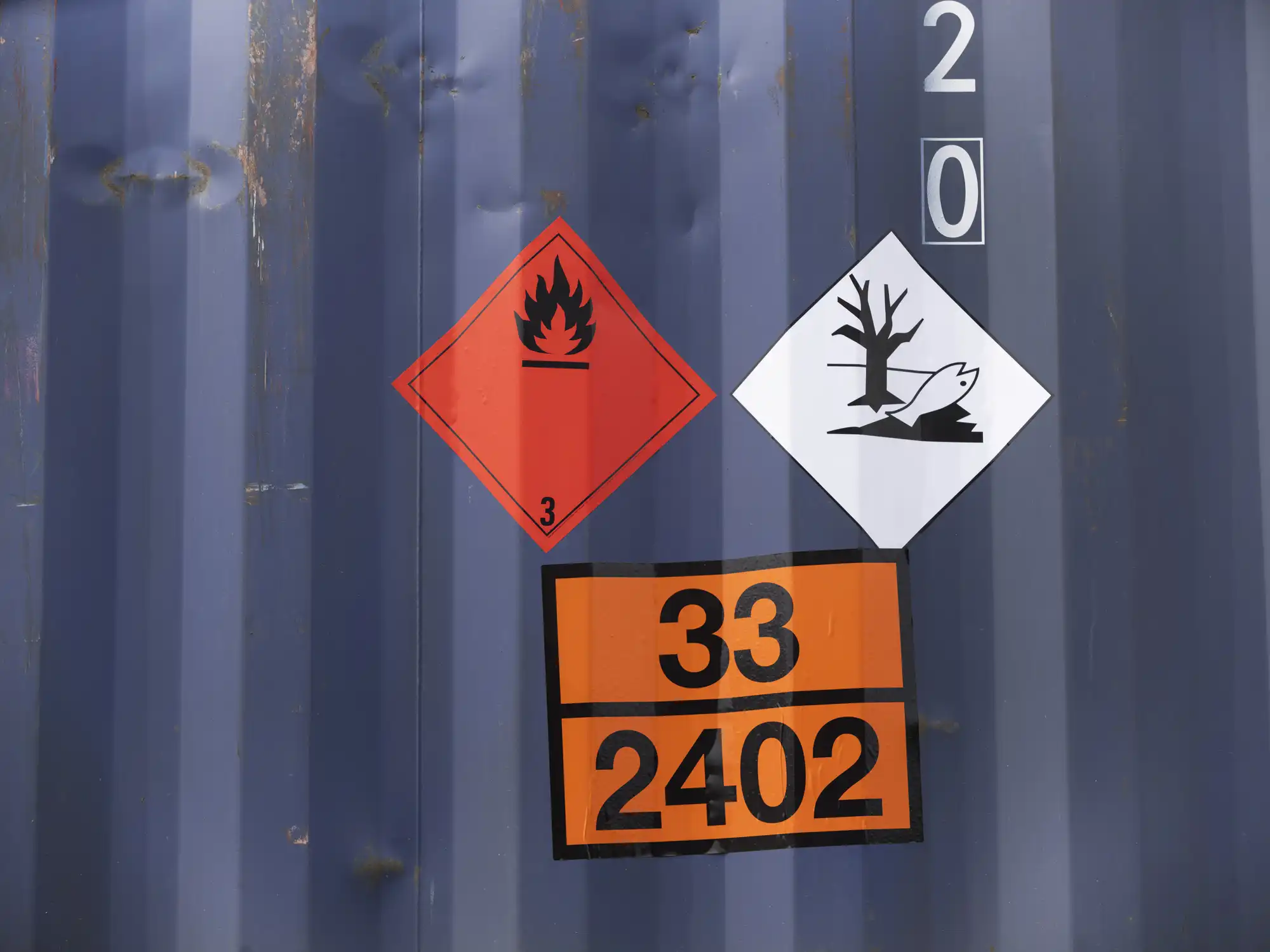
When required, four-digit UN identification numbers must be displayed on orange panels, white square-on-point displays, or appropriate hazard class placards — on each side and end of the transport vehicle or freight container.
These numbers must remain visible and readable from a reasonable distance under all transportation conditions. A number that is obscured, faded, or covered is treated the same as a missing number.
How Jansson LLC Helps U.S. Businesses Move Hazmat Safely
Placard compliance is the carrier’s responsibility at the vehicle level — but the shipper bears responsibility for ensuring the correct placard information is communicated before the load moves.
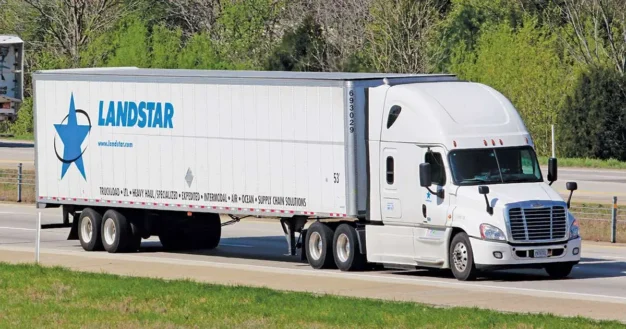
Jansson LLC is a Landstar freight agent with access to a nationwide carrier network — including experienced hazmat operators across flatbed, dry van, temperature-controlled, and specialized equipment for all hazard classes across all 48 contiguous states.
Through the Landstar network, Jansson helps U.S. businesses confirm that hazmat freight is moving with properly trained and equipped carriers — carriers who know the placarding rules and apply them correctly on every load.
Contact Jansson LLC today. Let’s make sure your hazmat freight moves safely, compliantly, and with the right carrier for every load.