
If your business imports goods into the United States regularly, C-TPAT is one of the most financially significant compliance programs you may not be using.
C-TPAT — the Customs-Trade Partnership Against Terrorism — is a voluntary supply chain security program administered by U.S. Customs and Border Protection. The program now covers more than 11,500 certified partners across multiple business categories and accounts for over 50% of all U.S. imports by value.
The core premise is straightforward: companies that voluntarily secure their supply chains get treated as lower-risk by CBP. Lower risk means fewer physical cargo examinations, faster clearance times, and access to trade facilitation benefits that non-members do not have.
For businesses moving significant freight volume across U.S. borders, the question is not whether C-TPAT sounds useful. It is whether the benefits justify the investment required to obtain and maintain certification.
What C-TPAT Certification Actually Provides
The benefits of C-TPAT membership are not theoretical. They are measurable, recurring, and directly tied to the operational and financial outcomes that matter most to importers — clearance speed, inspection frequency, and border wait times. Here is what certified members actually receive.
Fewer CBP Inspections
This is the most immediately valuable benefit for most importers. C-TPAT-certified entities experienced 42 to 58% fewer CBP examinations across 2025 logistics audit data. The largest advantage is predictability — C-TPAT certification improves cargo handling consistency and reduces last-mile delays caused by customs variability.
Physical inspections add three to seven business days to clearance timelines and generate unloading fees, storage charges, and administrative costs. A 42 to 58% reduction in inspection frequency is a measurable, recurring financial benefit — particularly for high-volume importers where each inspection event has significant downstream cost.
FAST Lane Access at Land Borders
C-TPAT members gain access to Free and Secure Trade lanes at U.S.-Canada and U.S.-Mexico land border crossings. FAST lanes are reserved for certified importers — they move faster, have dedicated processing, and are separate from the general commercial lane queues that non-members wait in.
For businesses moving freight through Laredo, El Paso, or other high-volume land ports, FAST lane access can significantly reduce border wait times — particularly during peak season when general commercial lanes become severely congested.
Front-of-Line Treatment During Inspections
When C-TPAT members are selected for inspection, they receive front-of-line processing. This does not eliminate the inspection — but it compresses the timeline significantly compared to the wait a non-member faces in the general inspection queue.
Penalty Mitigation
C-TPAT membership is considered a mitigating factor in the case of potential penalty matters. This benefit is not quantifiable in advance — but for businesses that regularly deal with complex import documentation and occasional compliance questions, having C-TPAT status on record with CBP is a meaningful risk management asset.
Business Resumption Priority
In the event of a natural disaster, port disruption, or national security event, C-TPAT members receive priority for business resumption. This benefit is hard to value until it is needed — at which point it can be extremely significant.
The Three-Tier Structure
C-TPAT operates through a structured certification process. Within one year, CBP conducts an on-site validation to verify implementation of stated security measures. Successful validation elevates members to Tier II status, unlocking enhanced benefits and reduced examination rates. The highest level, Tier III, requires three years of Tier II compliance, demonstrated supply chain security excellence, and validation of foreign business partners. These elite members receive maximum benefits including assignment of dedicated account managers and priority treatment during national emergencies.
Most importers begin at Tier I immediately upon approval of their security profile — and the inspection reduction benefits begin at that point. The program’s full value compounds as members move up the tier structure.
What the Certification Requires
C-TPAT is not a one-time application. It is an ongoing compliance program with specific operational requirements.
Members must complete a detailed Supply Chain Security Profile — documenting their security practices across physical security, personnel security, access controls, IT security, and business partner requirements. CBP reviews this profile and may request changes before certification is granted.
Annual self-assessments are required. CBP conducts periodic on-site validations — typically every four years for Tier II members and every five years for Tier III. During validations, CBP verifies that the security practices documented in the profile are actually in place and functioning.
The program also requires members to extend security expectations to their business partners — carriers, warehouses, and foreign suppliers. This is where C-TPAT has the most significant operational impact on supply chain structure.
Is It Worth It?
For most businesses that regularly import across U.S. borders — particularly those with high inspection rates, significant cross-border trucking from Mexico or Canada, or containerized ocean shipments subject to frequent CBP exams — the answer is yes.
The inspection reduction alone typically produces cost savings that exceed the administrative investment required to maintain the program. The FAST lane access, penalty mitigation, and business resumption priority are additional benefits that compound the return over time.
For businesses with low import frequency or simple supply chains, the cost-benefit calculus is less clear — and the administrative overhead of maintaining an active security profile may not be justified.
How Jansson LLC Helps U.S. Businesses Navigate Cross-Border Freight
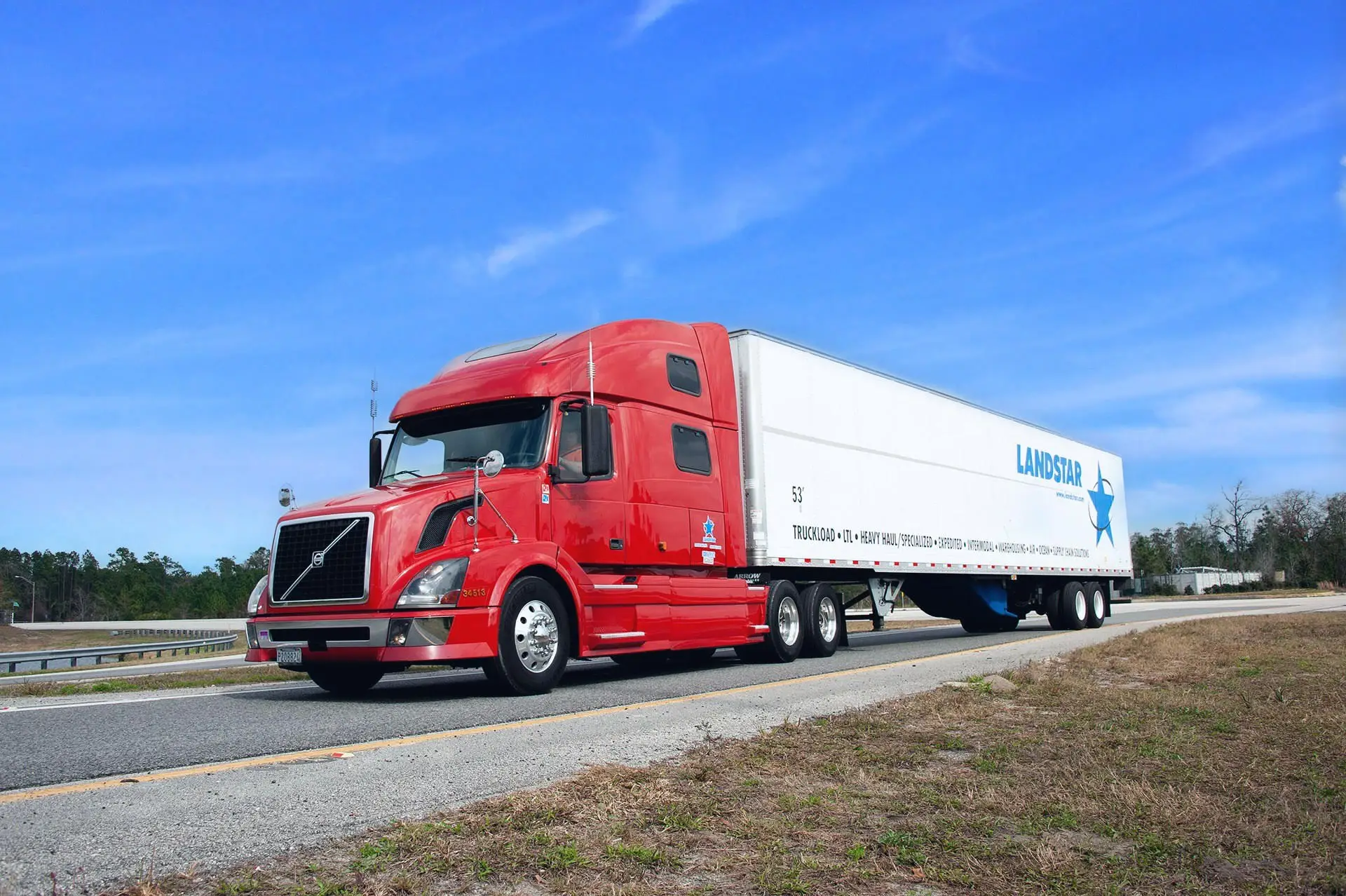
Whether or not your business pursues C-TPAT certification, working with C-TPAT-certified carriers and logistics partners significantly reduces your inspection risk — because CBP’s risk assessment considers the compliance status of your entire supply chain, not just your own certification.
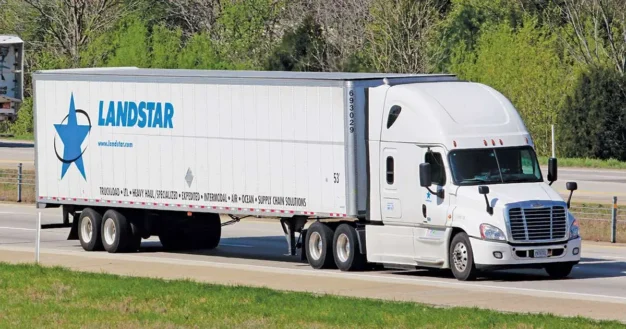
Jansson LLC is a Landstar freight agent with access to a nationwide carrier network — including experienced cross-border operators who understand CBP compliance requirements, FAST lane procedures, and the documentation standards that keep shipments moving efficiently across U.S. borders.
Contact Jansson LLC today. Let’s make sure your cross-border freight is moving with the right carriers — and arriving on schedule.