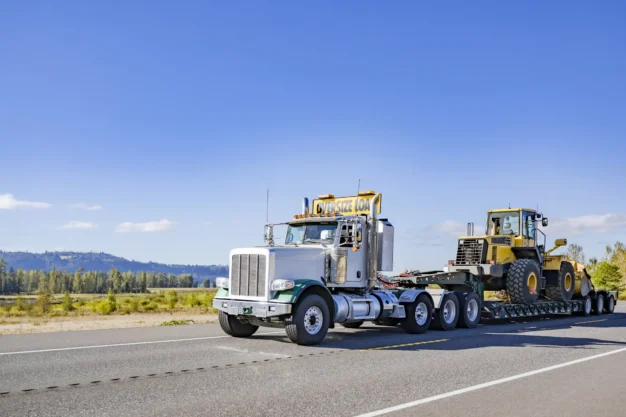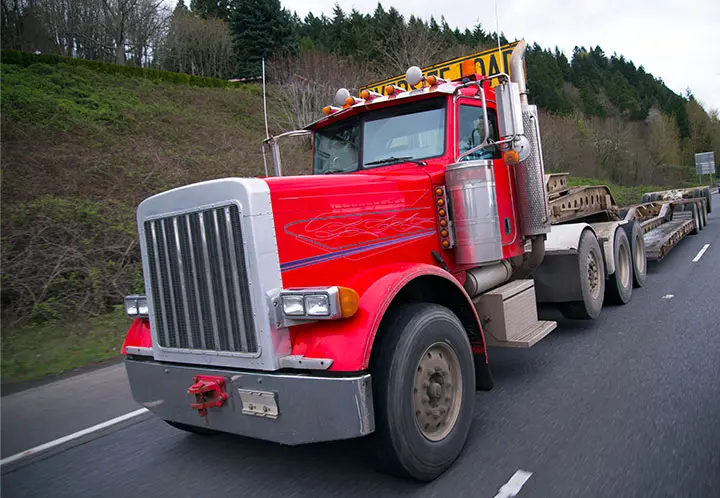
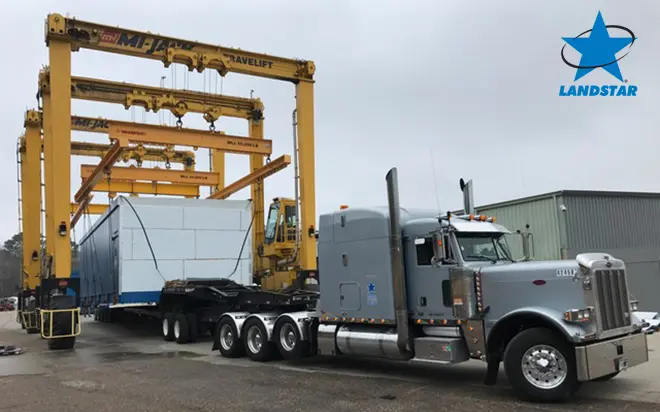
The most dangerous part of a heavy haul move is often not the load itself — it is the route.
According to the FHWA, infrastructure limitations contribute to over 25% of all freight delays and accident incidents for oversize loads. Low-clearance bridges and utility lines are the two most common infrastructure hazards that stop heavy haul shipments in their tracks — and both are entirely avoidable with proper route planning.
Here is what every U.S. shipper moving tall or wide freight needs to understand before a load moves.
Why Low-Clearance Bridges Are a Bigger Problem Than Most Shippers Realize
The standard legal height for commercial vehicles on U.S. highways is 13.5 feet. Most interstate bridges are designed to clear 14 to 16 feet. That sounds like enough margin — until you are moving a load that is 15 or 16 feet tall.
New York parkways are notorious for clearances as low as 7 or 8 feet, which are strictly off-limits to commercial traffic. These routes were designed for passenger cars, and modern GPS errors often lead heavy haulers into these structural traps.
This is not just a New York problem. Older bridges across the Northeast, Midwest, and rural America were built decades before today’s heavy haul freight volumes existed. Many have clearances well below what a tall oversize load requires — and standard GPS navigation does not account for vehicle height.
In Pennsylvania alone, there were more than 600 strikes to bridges and other overhead structures between 2013 and 2023. These strikes range from minor damage to catastrophic structural failures.
On May 23, 2013, in Mount Vernon, Washington, a commercial vehicle transporting an oversize load struck the sway braces along the top of the I-5 Bridge — resulting in the collapse of a bridge span and a total replacement cost of approximately $8.5 million. The carrier had obtained the necessary permit. The failure was in route planning and communication about clearance hazards.
The Bridge Weight Problem Is Separate From the Height Problem
Clearance is only one dimension of bridge risk for heavy haul shipments. Weight is the other — and it is equally consequential.
Heavier trucks and potential truck convoys threaten to overstress bridge elements, cause metal fatigue and cracking, and decrease the design life of bridges.
Every permitted heavy haul route must account for the weight rating of every bridge on that route. A bridge that clears a tall load vertically may not support it structurally. This is why superload permits require independent engineering certification for each bridge on the route — and why that process adds weeks to the permitting timeline.
Shippers who do not account for bridge weight ratings before the truck rolls risk being stopped mid-route when a carrier or state official identifies a bridge that cannot safely support the load.
Utility Lines: The Overhead Hazard That Stops Wide Loads
Low-clearance bridges get most of the attention — but utility lines are the obstacle that stops wide and tall loads most frequently on surface streets and secondary roads.
Power lines, fiber optic cables, telephone lines, and traffic signal infrastructure run across roads at varying heights throughout urban and rural areas. For a load that is 15 or 16 feet tall, many of these lines are a direct conflict.
When a permitted route passes under utility lines that are too low for the load, utility companies must coordinate a temporary raise or de-energization before the load can move. This process involves the utility company, the local municipality, and sometimes state regulatory agencies — each with their own scheduling timelines.
In urban areas, utility coordination can take several weeks. In areas with multiple overlapping utility providers, coordination between companies adds additional complexity. A route that looks viable on paper can become a weeks-long delay once the utility conflicts are identified.
How Proper Route Surveys Prevent Both Problems
A route survey is the systematic inspection of every bridge, overpass, utility line, and overhead obstacle along a proposed heavy haul route before the permit is filed and the truck moves.
Route surveys identify clearance conflicts that map data misses. They flag bridges with weight restrictions that are not reflected in standard permit databases. They locate utility lines that will require coordination. And they identify alternative route options before the primary route fails at a bridge or overhead obstacle.
Route surveys and DOT coordination are streamlined using advanced route planning tools that flag low bridges, weight limits, and construction zones. But technology is only as good as the data behind it — and experienced route planners know to verify critical clearances in the field, not just on a screen.
The NTSB’s investigation of the 2013 Washington bridge collapse found that insufficient route planning was the probable cause. Even with a permit and escort vehicles in place, the route had not been adequately reviewed for the load’s actual dimensions.
What Happens When a Route Conflict Is Found Mid-Move
When a driver encounters a bridge or utility line that the load cannot safely pass, the options are limited and expensive.
The load may need to turn around — on a road not designed for a truck and trailer of that configuration. An emergency alternative route must be identified, permitted, and coordinated while the load sits. The delivery timeline collapses. Additional permit fees apply. And depending on the location, local law enforcement may need to be involved.
None of this is necessary when route planning is done correctly before the load moves.
How Jansson LLC Helps U.S. Businesses Move Heavy Haul Freight Safely
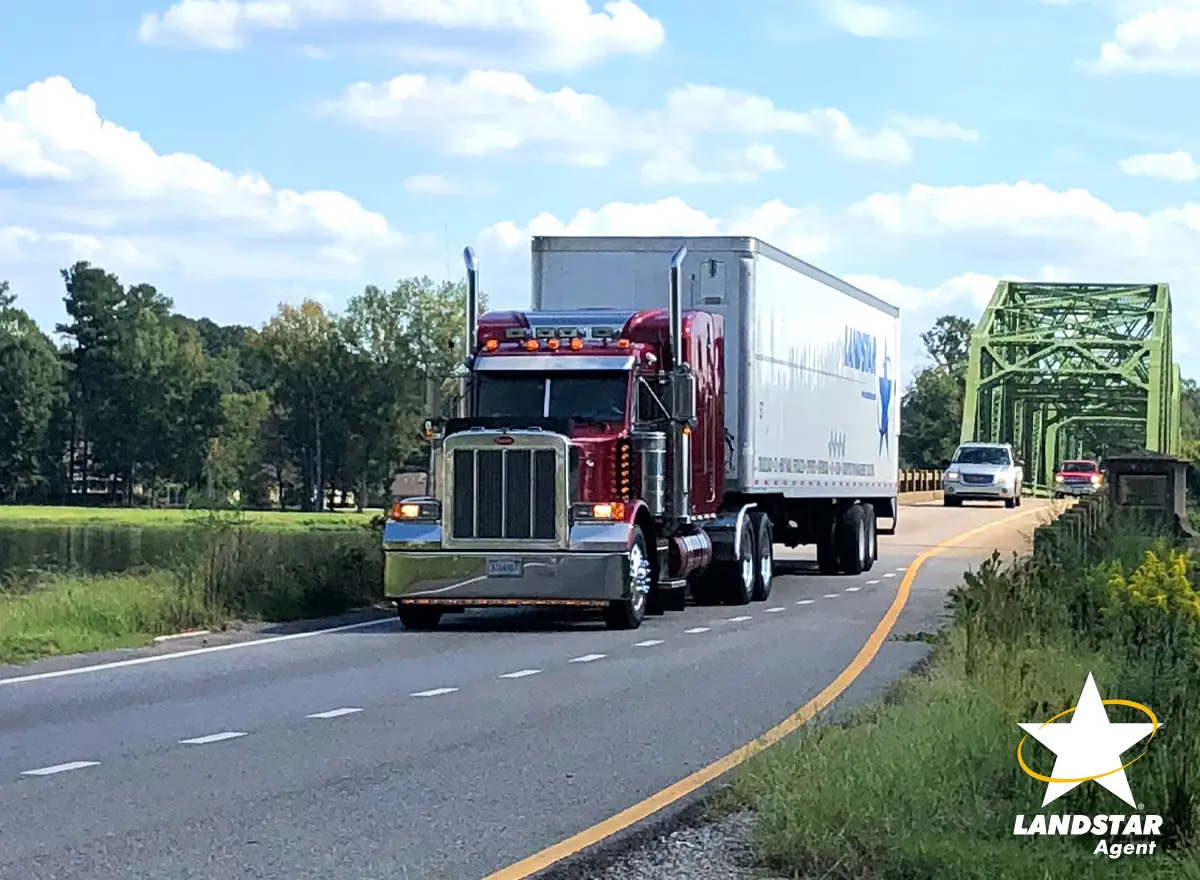
Route planning for heavy haul freight is a specialized discipline that requires experience with bridge databases, utility coordination processes, and the local knowledge that maps alone cannot provide.
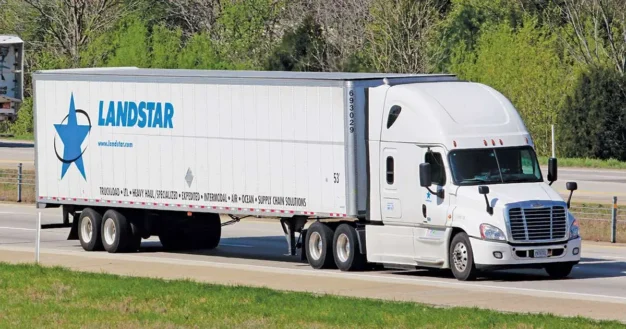
Jansson LLC is a Landstar freight agent with access to a nationwide carrier network — including experienced heavy haul operators who conduct thorough route surveys, coordinate utility clearances, and plan oversize moves with the attention to infrastructure detail that prevents costly mid-route failures.
Through the Landstar network, Jansson helps U.S. businesses identify route conflicts before the truck rolls, coordinate utility raises and bridge weight certifications as part of the permitting process, and move tall and wide freight safely from origin to destination — without the infrastructure surprises that derail unprepared shipments.
Contact Jansson LLC today. Let’s survey the route before the load moves — so nothing stops it on the way.