Most shippers understand that oversize loads require permits. Far fewer understand what happens when a load crosses into superload territory — and how dramatically that changes the planning timeline, cost structure, and complexity of every move.
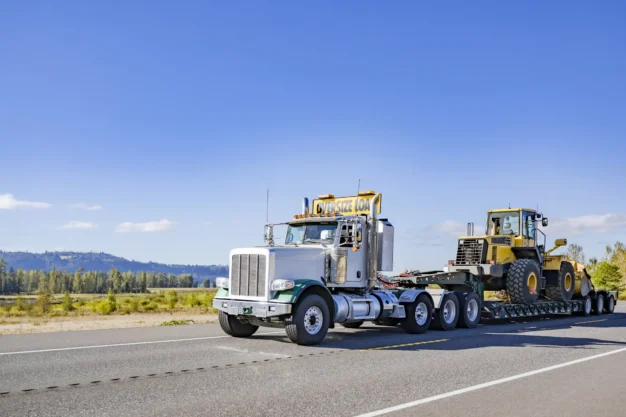
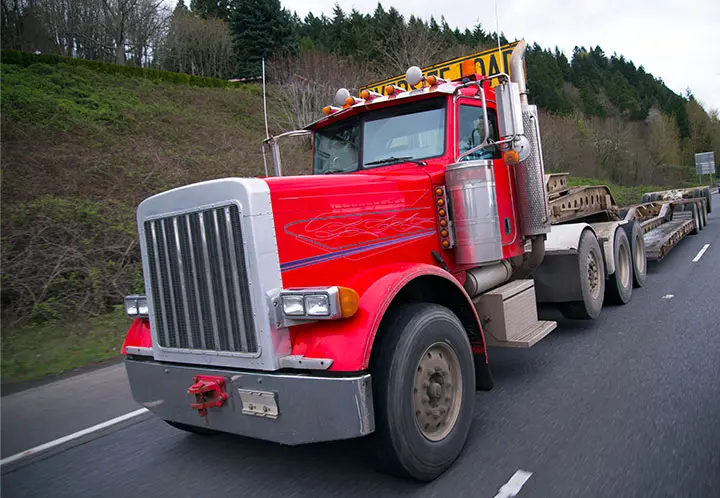
Superload permits cover the largest and heaviest moves — typically loads exceeding 16 feet wide, 16 feet tall, 110 feet long, or 150,000 pounds gross. These require engineering analysis, route surveys, often utility-line lift coordination, and bridge-load analysis on the proposed route.
If your cargo crosses any one of those thresholds, you are no longer in standard oversize permit territory. You are in a completely different category — with different timelines, different costs, and different regulatory requirements in every state your load passes through.
What Actually Triggers a Superload Classification
The federal government sets standard legal limits for commercial vehicles. The basic thresholds are 8.5 feet wide, 13.5 feet tall, 53 feet long, and 80,000 pounds gross vehicle weight. Anything beyond these limits requires a permit — but not all permits are equal.
Any load that exceeds 16 feet in width becomes a superload and is subject to more requirements to ensure it can be moved safely. Some superloads may require temporary road closures and attendance of state police or other law enforcement. DemandSage
Width is the most common trigger — but it is not the only one. Height, length, and gross vehicle weight all have their own superload thresholds, and they vary by state.
Delaware, for example, defines a superload as any vehicle or load with a length of 120 feet or greater, a width of 15 feet or greater, a height of 15 feet or greater, or a gross vehicle weight of 120,000 pounds or greater — and superload moves are considered on a case-by-case basis. TechCrunch
Minnesota defines superloads as loads up to 16 feet high, 16 feet wide, 150 feet long, or 250,000 pounds gross vehicle weight — each with its own designated corridor network.
The practical implication is significant. A load that qualifies as a standard oversize permit in one state may trigger a superload classification the moment it crosses a state line. Shippers who do not check each state’s specific thresholds before routing their freight create compliance exposure they may not discover until the load is stopped.
How a Superload Changes Your Timeline
This is where most shippers get caught off guard. Standard oversize permits can often be issued within 24 to 72 hours. Superload permits operate on a completely different timeline.
Permit timelines for superloads extend to 14 to 30 days, and costs run $300 to $2,500 per state per trip. On a multi-state move, that means permit costs can reach tens of thousands of dollars — and the permitting process itself can take a month or more before the truck can legally roll. Search Engine Land
Superload permits typically require an independent engineering certification for each bridge on the route, with a lead time of 2 to 6 weeks per state. Directfleetdispatch
That engineering requirement is the key driver of timeline extension. Every bridge on the proposed route must be evaluated to confirm it can safely bear the load. If a bridge cannot support the weight, the route must be changed — which can add significant distance, additional state permits, and further engineering reviews.
What Else Superload Classification Requires
Beyond permits and engineering, superload moves typically come with operational requirements that add further complexity.
Law Enforcement Escorts
Standard oversize loads often require civilian pilot cars. Superloads frequently require law enforcement escorts — state troopers who travel with the convoy to manage traffic and coordinate with local jurisdictions. Urban areas like Houston charge $150 or more per hour for law enforcement escorts — whether the convoy is moving or stuck in traffic. That cost is borne by the shipper.
Utility Coordination
Wide and tall superloads often require utility lines to be temporarily raised or de-energized along the route. This coordination involves utility companies, local municipalities, and sometimes state regulatory agencies — each with their own scheduling timelines.
Travel Restrictions
Superloads are subject to the same daylight-only restrictions, holiday blackouts, and rush-hour bans that apply to standard oversize loads — but the restrictions are often more stringent, and violations carry heavier penalties.
Route Changes After Engineering Review
It is common for a planned superload route to change after bridge engineering review identifies a structure that cannot support the load. When that happens, the alternative route must go through its own engineering review process — adding time before the permit can be issued.
What This Means for Your Planning
The single most important thing a shipper can do with a potential superload is identify the classification early — not after the load is already built or the delivery window is already committed.
Once you know a load will cross into superload territory, the planning timeline needs to start at least 4 to 6 weeks before the target move date. For multi-state moves with complex bridge situations, 8 weeks or more is realistic.
Committing to a delivery date before the engineering and permitting process is complete is one of the most common and costly mistakes in heavy haul logistics.
How Jansson LLC Helps U.S. Businesses Move Superloads
Superload planning is not a variation of standard freight logistics. It is a specialized discipline that requires experience with state-specific permit systems, engineering coordination, escort requirements, and route planning for the most complex loads on the road.
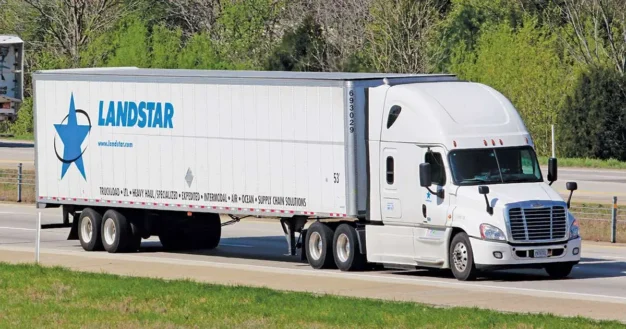
Jansson LLC is a Landstar freight agent with access to a nationwide carrier network — including experienced heavy haul operators who manage superload permit coordination, engineering reviews, and multi-state route planning across all 48 contiguous states.
Through the Landstar network, Jansson helps U.S. businesses identify whether their cargo will trigger a superload classification, coordinate the permitting and engineering process before the load moves, and build a realistic timeline that accounts for every requirement between origin and destination.
Contact Jansson LLC today. Let’s figure out what your load actually requires — before the clock starts running.