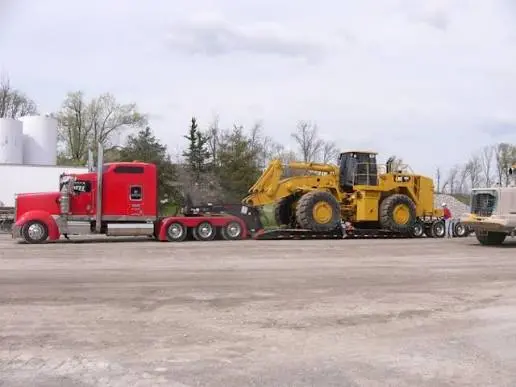
A permitted oversized load that gets stopped mid-transit is one of the most expensive problems in heavy haul logistics. Not because of the fine — though that comes too — but because of everything downstream. A stopped load means a delayed project, an idle crew, and an emergency rerouting process that costs far more than the route survey that could have caught the problem before the truck ever left the yard.
According to the FHWA, infrastructure limitations contribute to over 25% of all freight delays and accident incidents for oversize loads. Most of those delays are caused by the same predictable obstacles — obstacles that route surveys identify and route planning eliminates.
Here are the seven that stop loads most often — and what you can do about each one.
Obstacle 1: Low-Clearance Bridges
The standard legal height for commercial vehicles on U.S. highways is 13.5 feet. Most interstate bridges clear 14 to 16 feet. But older bridges across the Northeast, Midwest, and rural America were built decades before today’s heavy haul freight volumes — and many have clearances well below what a tall oversized load requires.
In Pennsylvania alone, there were more than 600 strikes to overhead structures between 2013 and 2023. According to the ASCE’s 2025 Infrastructure Report Card, 6.8% of more than 623,000 U.S. bridges are currently in poor condition — making pre-move bridge analysis non-negotiable.
Standard GPS navigation does not account for vehicle height. A route that clears 13.5 feet will not clear a load that is 15 feet tall. The only way to know is to survey the specific bridges on the planned route — using actual clearance data, not map assumptions.
Obstacle 2: Overhead Utility Lines
Power lines, fiber optic cables, traffic signals, and telephone lines run across roads at varying heights throughout urban and rural areas. For loads that are 15 or 16 feet tall, many of these lines represent a direct conflict that no permit can authorize ignoring.
When a route passes under utility lines that are too low for the load, coordination with the utility company is required before the move — a process that can take days or weeks depending on the provider and the location. A physical or drone-assisted route survey identifies these conflicts before the permit is filed, not after the truck is stuck beneath a power line at 2 AM.
Obstacle 3: Construction Zones
Construction zones create three distinct problems for oversized loads. They narrow lanes. They impose temporary weight restrictions on detour routes. And they change without notice — a route cleared yesterday may have a lane closure today.
GIS tools and state DOT databases are useful screening tools. They are not physical clearance certification. Temporary construction, recently lowered bridge postings, and unmarked utility clearances can all invalidate a digitally approved route. A pre-departure re-check at critical points is as important as the initial survey.
Obstacle 4: Tight Turns and Intersection Geometry
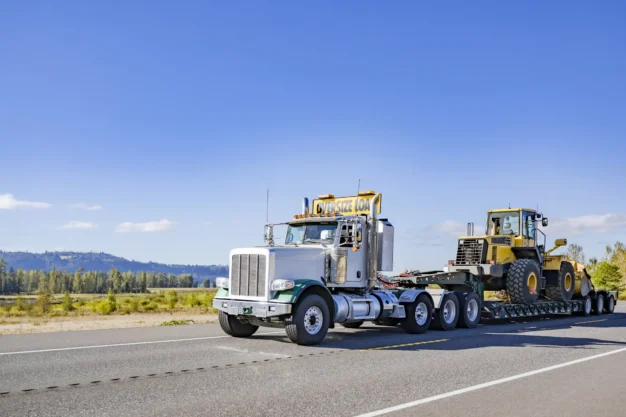
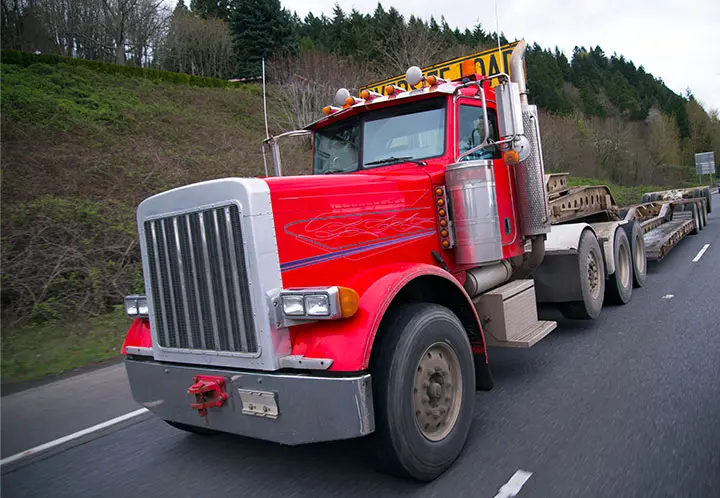
An oversized load on a long trailer — particularly an RGN or extendable lowboy — cannot navigate the same turning radius as a standard commercial vehicle. A route that looks clear on a map may have an intersection geometry that physically cannot accommodate the load’s turning requirements.
Routes with steep grades, soft shoulders, unprotected drop-offs, and sharp turns all raise red flags in a proper route survey. The physical survey — walking the route or using a pilot car run — is what catches these geometry constraints that satellite imagery misses.
Obstacle 5: Weight-Restricted Roads and Bridge Postings
A load that is legally distributed for interstate operation may still produce violations the moment it touches a weight-restricted secondary road. More than 35 states impose reduced weight limits on secondary roads from March through May — typically reducing allowable gross vehicle weight by 20 to 35% on affected routes.
Bridge postings — the weight limits posted on individual bridge structures — create similar risks. A bridge rated for 40 tons on the state DOT database may carry a lower posted limit that was updated after the database entry. Field verification of bridge postings on non-interstate routes is a step many operators skip — and where violations frequently originate.
Obstacle 6: Railroad Crossings
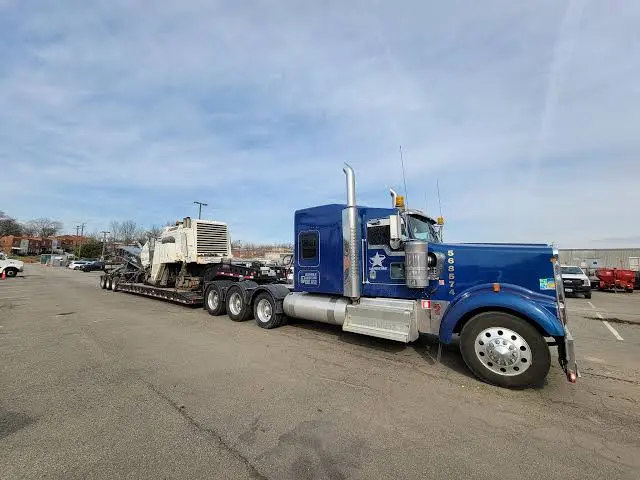
Railroad crossings create two distinct problems for low-ground-clearance loads — particularly lowboy trailers carrying heavy equipment. The crossing angle and the raised rail profile can cause the trailer deck or cargo to contact the crossing surface if the approach grade is steep.
Railroad crossings also require coordination when the load is so wide or so heavy that normal crossing procedures do not apply. Some crossings require railroad authority notification before the move and may require time-window coordination with rail traffic.
Obstacle 7: Curfew Windows and Travel Restrictions
Most states restrict oversized load travel to daylight hours — typically 30 minutes after sunrise to 30 minutes before sunset. Holiday blackouts around Thanksgiving, Christmas, and New Year prevent movement on most of the heaviest-travel weekends.
A route that is physically clear can still stop a load if the travel window runs out. A driver approaching the end of their permitted daylight window in a location without adequate truck parking faces a compliance problem that no route survey prevents — only schedule planning does.
How Jansson LLC Helps U.S. Businesses Plan Routes That Actually Work
Route planning for oversized freight is not a desk exercise. It requires experience with state-specific permit systems, bridge data verification, utility coordination, and the local knowledge that maps alone cannot provide.
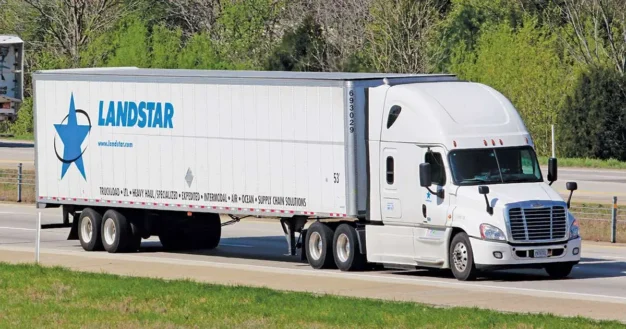
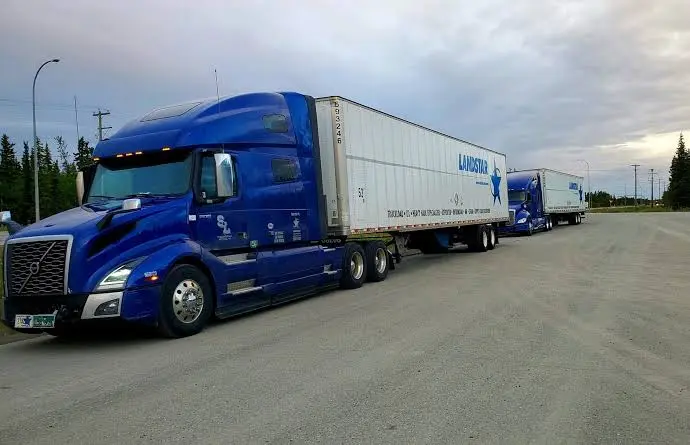
Jansson LLC is a Landstar freight agent with access to a nationwide carrier network — including experienced heavy haul operators who conduct thorough route surveys, coordinate utility clearances, and plan oversized moves with the infrastructure detail that prevents mid-transit stops.
Contact Jansson LLC today. Let’s survey the route before the load moves — so nothing stops it on the way.