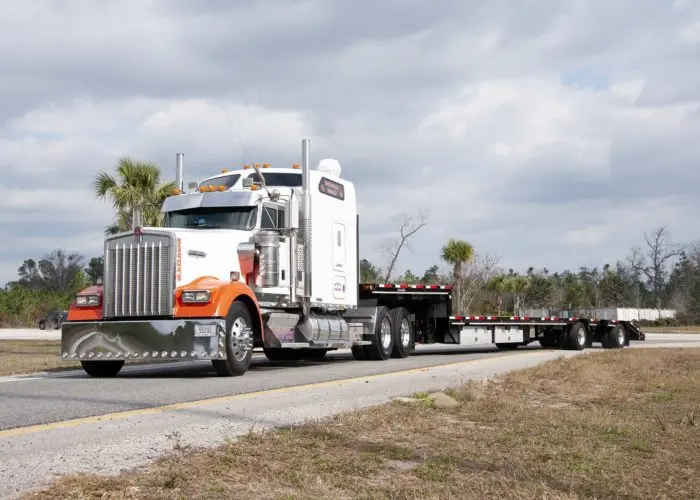
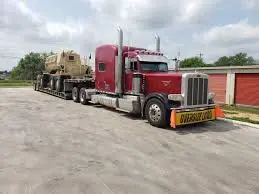
Most overweight violations are not the result of intentional overloading. They happen because of specific, predictable calculation errors — operational gaps that show up at the weigh station long after the loading dock is behind the driver.
Overweight trailers account for nearly 15% of all FMCSA roadside inspection violations. The hidden costs — out-of-service downtime, freight redistribution, missed delivery penalties, CSA score degradation, insurance premium impact, and accelerated equipment wear — typically multiply the citation amount by 6 to 10 times. A single overload event can stay on a carrier’s safety record for 24 months.
Here are the five mistakes that generate the most axle weight violations — and exactly how each one happens.
Mistake 1: Trusting the Bill of Lading Weight Without Verifying It
Bills of lading list weights that differ from actual cargo by 8 to 15% in a significant number of cases. A driver who trusts the BOL weight and never physically verifies the load is making a compliance decision based on a document that may be materially wrong.
The shipper rarely faces the citation. The carrier does. And the driver does. The BOL weight is the starting point for load planning — not the end of it.
Pre-departure weighing at a certified scale is the only reliable way to confirm actual axle weights before the truck reaches an enforcement scale. Carriers who implement mandatory weigh-in protocols before departure consistently outperform carriers who rely on shipper-provided weight data.
Mistake 2: Calculating Gross Weight But Ignoring Individual Axle Limits
This is the most common source of axle-only violations — and the one that surprises shippers most often.
A load that places 36,500 pounds on a tandem axle while running 78,000 pounds gross is still an overweight event — even though the gross weight is legal. The tandem axle limit of 34,000 pounds is exceeded regardless of what the overall scale reads.
The federal limits are specific: 20,000 pounds on a single axle, 34,000 pounds on a tandem axle group, and 80,000 pounds gross vehicle weight. Exceeding any single threshold constitutes a violation — even when the others are within limits.
Shippers who calculate only against the 80,000-pound gross limit without running the individual axle calculations are routinely surprised at the weigh station when a legal gross weight produces an axle violation.
Mistake 3: Forgetting the Federal Bridge Formula
The Federal Bridge Formula — codified in 49 CFR Part 658 — limits the weight that any group of consecutive axles may carry based on the distance between them.
Bridge Formula violations are frequently cited precisely because operators focus on gross weight while ignoring the axle-spacing calculation. The formula is designed to prevent concentrated loads that damage bridge structures — and it is applied independently of whether the gross weight is legal.
For flatbed shippers, the practical implication is that cargo placement on the deck determines which axle groups bear the load — and whether that distribution satisfies the Bridge Formula for those specific groups. Moving a heavy piece of cargo 24 inches forward or rearward on the deck can shift the load between axle groups in ways that change the Bridge Formula compliance outcome.
Mistake 4: Ignoring the Hidden Weight of Fuel and Equipment
Drivers calculate payload against empty tare weight — but not against actual operating weight that includes full fuel, DEF fluid, and the driver. This hidden weight consistently runs 600 to 900 pounds above the empty tare.
That gap matters at the margin. A load calculated at 79,500 pounds gross against a 79,000-pound empty tare reading is actually running at 80,400 pounds gross — over the federal limit before a single item of cargo is loaded.
Shippers who provide loading instructions based on nominal tare weights without accounting for operating weight create violations that neither the shipper nor the driver anticipated. The fix is straightforward: use actual operating weight — including fuel, fluids, and driver — as the base for all payload calculations.
Mistake 5: Leaving Trailer Tandems in the Wrong Position
Tandem axle positioning is adjustable on most trailers — and the position directly affects how weight distributes across the axle groups. Trailer tandems left in the wrong position from a previous load can cause a cargo load that is otherwise legally distributed to produce axle violations during transit.
This mistake is particularly common when multiple loads move on the same equipment in sequence. The previous driver adjusted the tandem position for their cargo configuration. The next load is placed without verifying that the tandem position is correct for the new weight distribution.
The weight may be legal at pickup — but distributes incorrectly across axles when the tandem position does not match the cargo placement.
Verifying tandem position before loading — not after — is a pre-departure check that eliminates this specific violation source entirely.
The Compound Cost of Getting This Wrong
The visible cost of an overweight violation is the fine — which averages $2,100 per incident before legal fees and permit costs. The invisible cost is everything that follows: the potential out-of-service order that delays delivery, the CSA score impact that affects future contract opportunities, and the insurance premium increase that compounds over the following renewal cycles.
In 2022, a mid-sized Midwest carrier faced $85,000 in penalties after multiple overloading violations across three states. Their CSA score flagged them as high-risk, causing two major shippers to pull contracts and their insurance provider to triple their rates within six months.
Prevention is the only rational financial decision. Every one of these five mistakes is preventable with the right loading protocols and the right carrier relationships.
How Jansson LLC Helps U.S. Businesses Move Freight Without Axle Violations
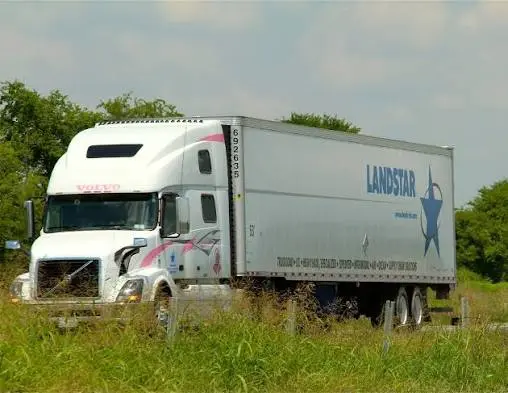
Axle weight compliance starts with the loading dock — but it is sustained through carrier selection, route planning, and the operational knowledge that keeps freight moving without enforcement interruptions.
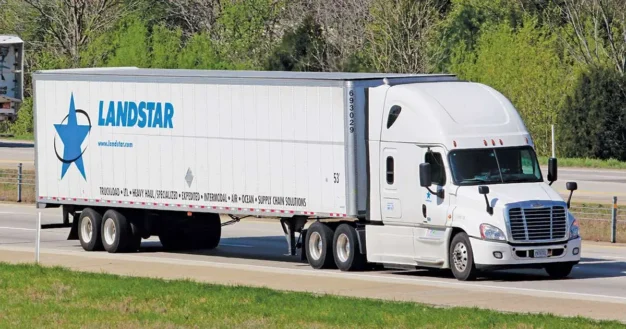
Jansson LLC is a Landstar freight agent with access to a nationwide carrier network — including experienced flatbed and heavy haul operators who understand FMCSA weight regulations, Bridge Formula requirements, and the loading practices that keep freight compliant from origin to destination.
Contact Jansson LLC today. Let’s make sure your freight is loaded correctly, distributed properly, and moving without axle violations from the first mile to the last.