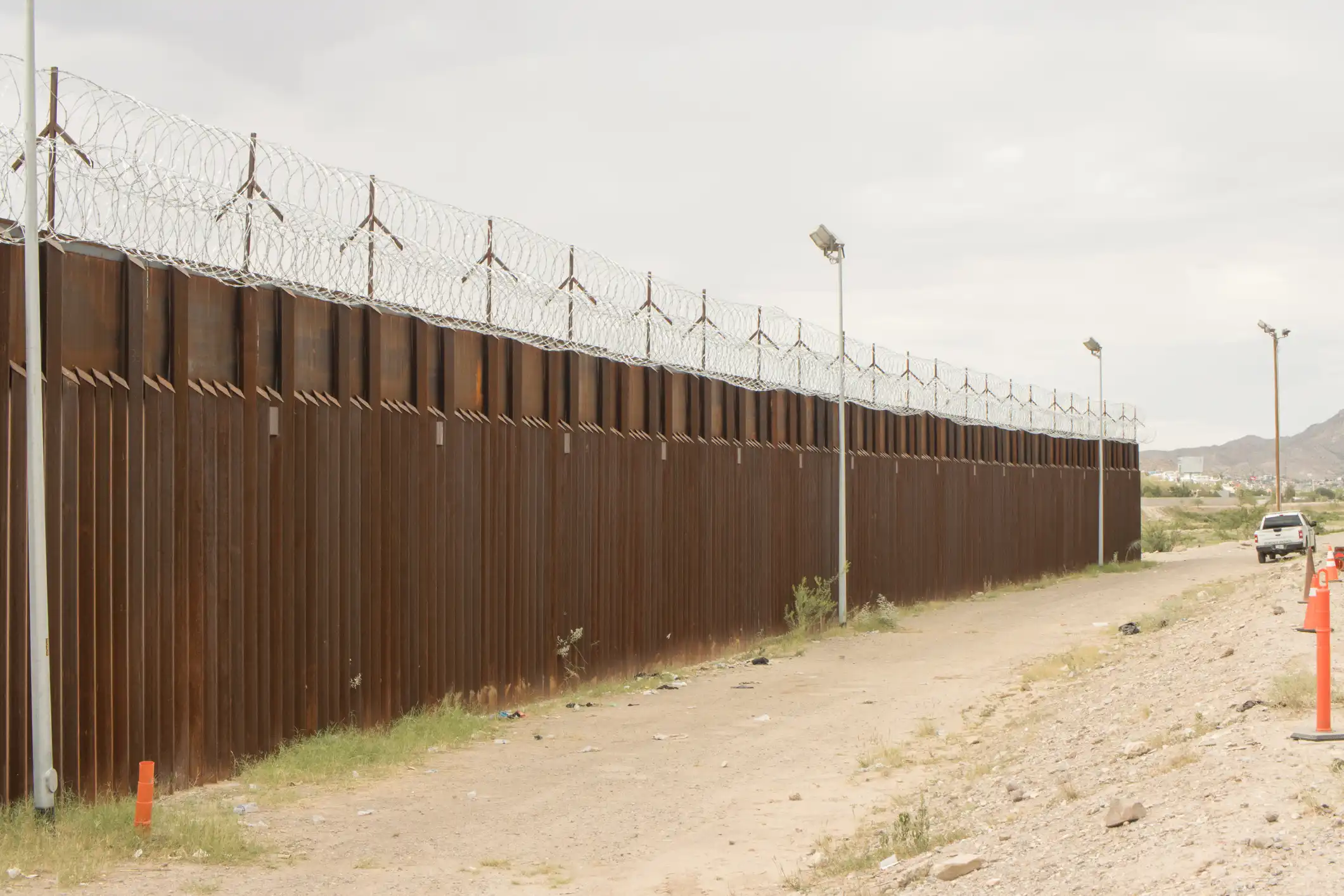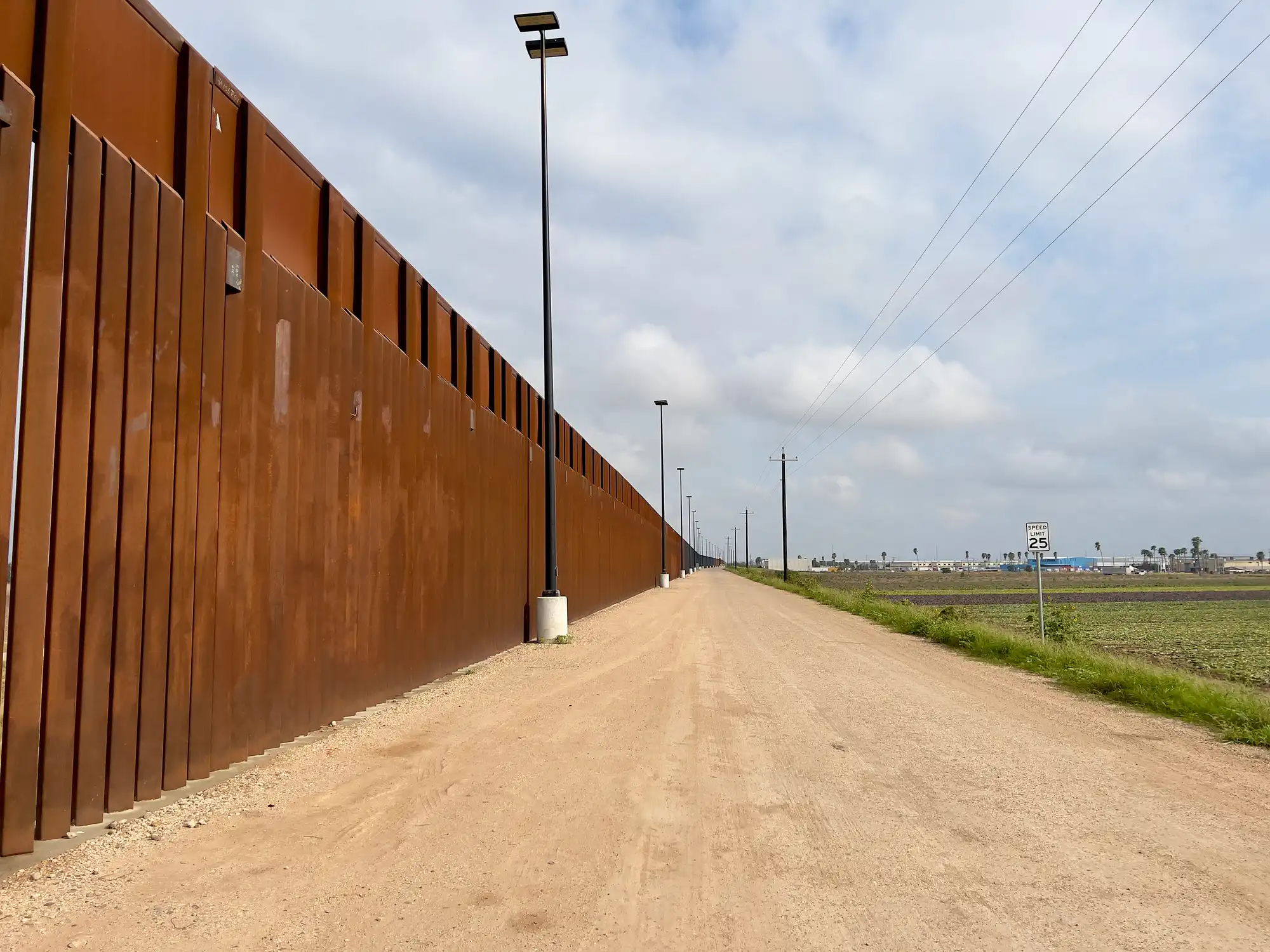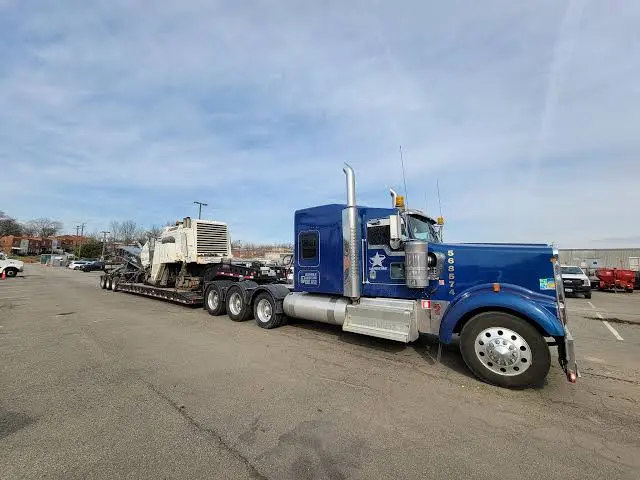
Most U.S.-Mexico border delays are not caused by trucks or infrastructure. They are caused by people and paperwork.
The uncomfortable truth about cross-border freight is that most border delays come from missing fields, mismatched invoices, or misaligned expectations between brokers and carriers — not from the physical act of crossing the border.
Understanding where those communication gaps happen — and how to close them before a shipment tenders — is one of the most practical things a U.S. shipper can do to protect their cross-border freight operation in 2026.
Here are the three gaps that cause the most damage.
Gap 1: The Documentation Disconnect Between Shipper and Customs Broker
This gap is the most common source of border delays — and the most preventable. It almost always comes down to information that leaves the shipper’s office too late, too incomplete, or inconsistent with what the broker needs to file correctly.
What Goes Wrong
The customs broker is responsible for filing your import or export entry with the relevant customs authority. But brokers can only work with the information they receive — and that information frequently arrives incomplete, late, or inconsistent with the commercial invoice.
If a bill of lading, commercial invoice, or certificate of origin has errors, a truck can be delayed for hours or even days while documents are corrected. At a busy crossing like Laredo — which processes more than 10,000 trucks per day — even a brief hold can compound quickly into a multi-hour delay.
The most common errors are entirely preventable. Mismatched product descriptions between the commercial invoice and the packing list. Incorrect HTS codes. Missing USMCA certification of origin when the goods qualify for preferential treatment. A weight or quantity that does not reconcile across documents.
Under Mexico’s updated customs regulations, errors in the Manifiesto de Valor en Aduana automatically translate into errors in the pedimento — the formal import entry — exposing companies to combined penalties that can exceed 70,000 pesos per shipment.
How to Close It
Send documentation to your customs broker early — well before the freight reaches the border. Do not wait until the truck is at the crossing. Establish a standard document checklist and review it on every shipment. Any discrepancy between your invoice, packing list, and certificate of origin should be caught and corrected in your office — not at the border gate.
Gap 2: Carrier-to-Carrier Handoff Failures
This gap is the hardest one to see coming — because it does not involve a mistake in any single document. It is a coordination failure between multiple parties who each assume someone else has handled the communication.
What Goes Wrong
Cross-border freight into Mexico typically involves at least three separate carriers — a U.S. carrier, a drayage carrier working the border zone, and a Mexican inland carrier for final delivery. Each carrier operates independently. Each has its own dispatcher, its own scheduling system, and its own communication protocols.
International trade involves communication between shippers, customs officers, freight forwarders, and local carriers — sometimes in different languages and time zones. Misunderstandings in instructions or documentation can lead to delays or errors.
When one carrier is not informed about a shipment that is coming, or receives incorrect pickup instructions, the freight sits. The U.S. carrier drops the load at the border warehouse. The drayage carrier does not know it has arrived. The Mexican inland carrier is scheduled for a pickup that never materializes because no one communicated the timing.
This failure is not dramatic. It is quiet — and it often goes undetected until the consignee calls asking where their freight is.
How to Close It
Every carrier in the cross-border chain needs to receive proactive communication — not just a copy of the paperwork. That means the drayage carrier is notified before the U.S. carrier drops the load. The Mexican carrier is confirmed before the freight clears customs. And there is a single point of contact on the logistics side who owns the handoff sequence and follows it on every shipment.
The most effective approach is to over-communicate with every partner in the chain and send documentation early — well before cargo reaches the border. This sounds obvious. It is consistently under-executed.
Gap 3: Misaligned Expectations on Delivery Windows
This gap is the most damaging to customer relationships — because by the time it becomes visible, the delivery has already failed. The freight is delayed and the customer is asking questions you cannot easily answer.
What Goes Wrong
Cross-border freight transit times are inherently less predictable than domestic shipments. Customs processing times fluctuate. Border staffing varies by day and time. Inspections are random and unpredictable.
When providers are not integrated, issues in one area — like customs — can cause overall delays that impact the entire shipping process.
The communication failure that compounds this is when U.S. shippers commit to delivery windows for their Mexican customers based on domestic freight assumptions — not cross-border realities. A shipment that would take two days domestically may take four or five days cross-border under normal conditions. Under disrupted conditions, it can take longer.
When the customer in Mexico expects delivery on Thursday and the freight is still clearing customs on Friday, the relationship damage is not just logistical. It is commercial.
How to Close It
Set delivery expectations at the beginning of the relationship — not at the point of the shipment. Cross-border customers should understand the transit window, the variables that affect it, and the protocol when delays occur. Real-time tracking visibility shared with the consignee is one of the most effective ways to maintain trust during a delay — because the customer is informed rather than waiting in silence.
Navigating stringent customs regulations is critical to avoiding delays and costly fines. In today’s complex trade environment, the demand for expertise in customs brokerage has grown significantly to help ensure all necessary paperwork is precise and up to date.
How Jansson LLC Helps U.S. Businesses Close the Communication Gap
Cross-border shipping done well is not just about finding a carrier. It is about coordinating the documentation, the carrier handoffs, and the customer communication across a multi-party, multi-jurisdiction process that leaves very little margin for error.
Jansson LLC is a Landstar freight agent with access to a nationwide and cross-border carrier network — including experienced U.S.-Mexico operators who understand the documentation requirements, border crossing protocols, and carrier coordination that cross-border freight demands.
Through the Landstar network, Jansson helps U.S. businesses coordinate the full cross-border freight chain — from documentation review before tender, to carrier handoff coordination at the border, to delivery visibility for consignees on the Mexican side.
Contact Jansson LLC today. Let’s make sure your cross-border freight moves without the communication gaps that cause the most expensive delays.