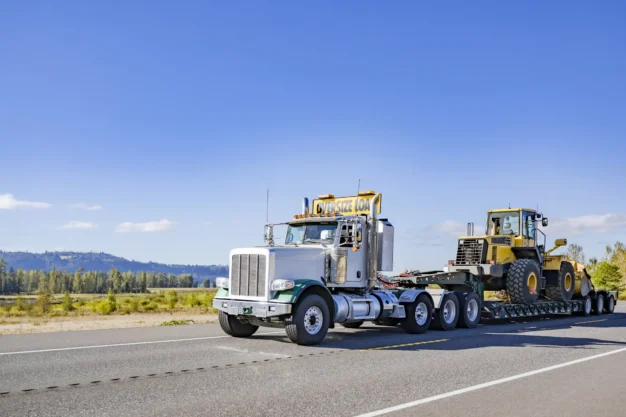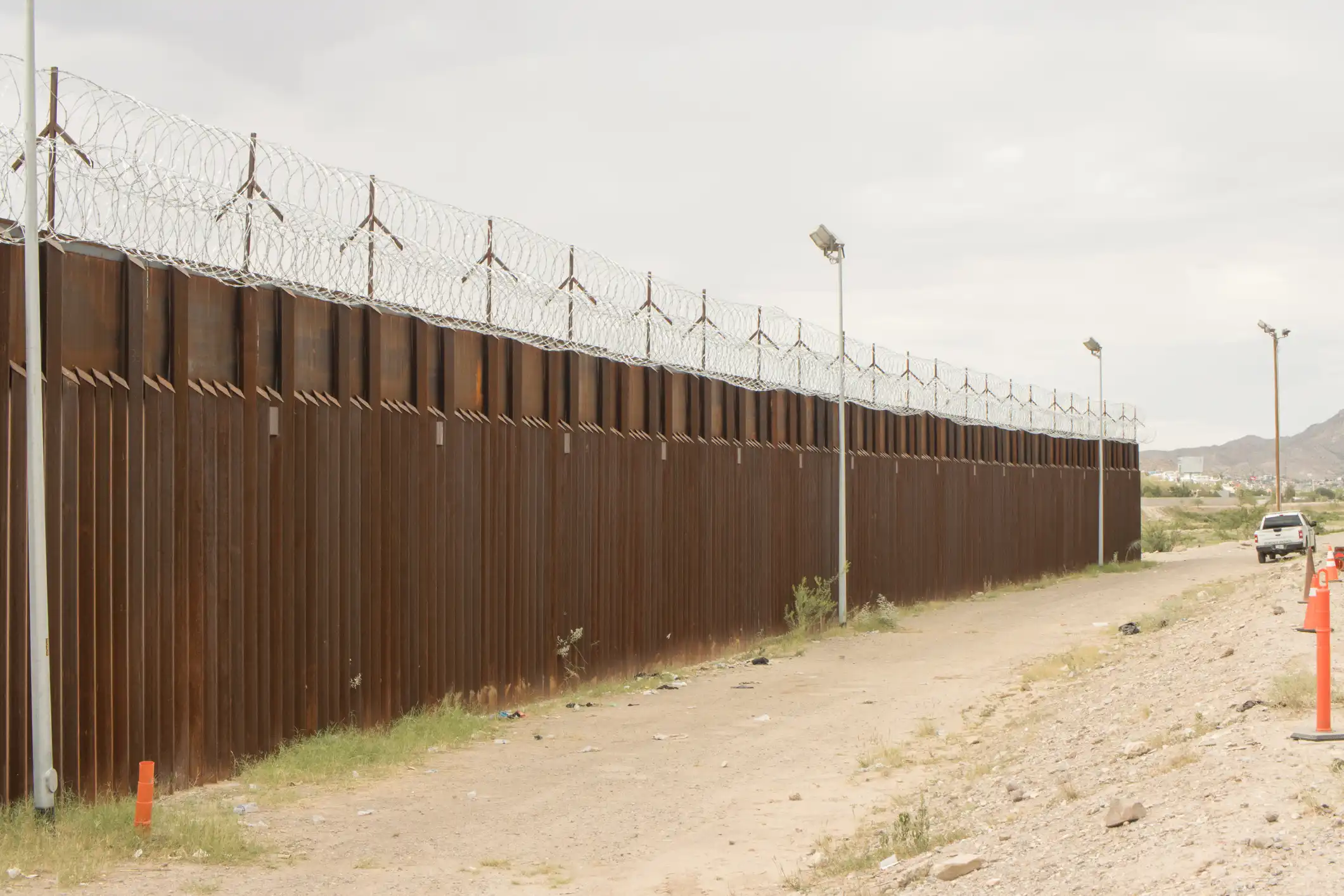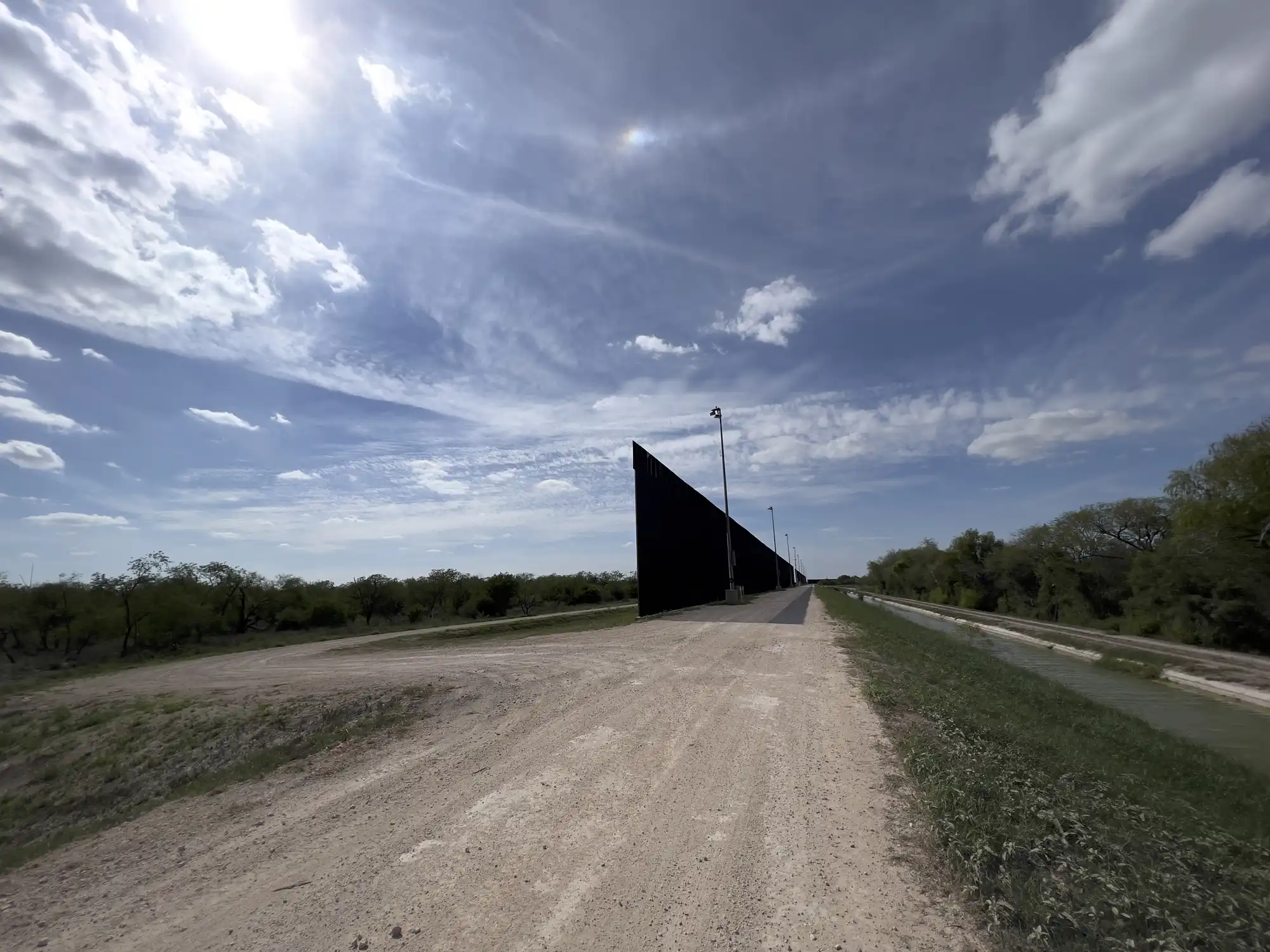
Timing a shipment to arrive at the U.S.-Mexico border on a Friday afternoon is one of the most common and costly mistakes in cross-border logistics.
Most experienced shippers already know this intuitively. Many newer ones learn it the hard way — watching a time-sensitive load sit at a border crossing for 60-plus hours while a customer waits on the other side.
This article explains exactly why it happens, what makes the border environment so different from domestic freight, and how smart shippers plan around it.
Why the Border Behaves Differently Than Domestic Freight
Domestic U.S. freight moves through a largely automated system. Loads tender, carriers accept, and trucks roll — often around the clock.
Cross-border freight into or out of Mexico does not work that way. It involves two sets of customs authorities, multiple carriers, physical handoffs at the border, and government agencies on both sides with their own operating schedules.
Laredo, the busiest U.S.-Mexico crossing, sees more than 10,000 trucks per day — often leading to significant bottlenecks even under normal conditions. Fewer CBP officers at night or on weekends slows down processing considerably.
When you combine reduced staffing, lower processing capacity, and a full backlog of freight already queued from the week — a Friday afternoon arrival is almost guaranteed to mean a Monday clearance at the earliest.
The Three Layers of Delay at the Border
The weekend timing problem is not caused by a single bottleneck. It is caused by three separate delay mechanisms — each one manageable on its own, but compounding quickly when they stack on top of each other.
Customs Processing on Both Sides
Every cross-border commercial shipment must clear U.S. Customs and Border Protection on the U.S. side and Mexico’s Servicio de Administración Tributaria on the Mexican side. Both agencies review documentation, inspect cargo when flagged, and process entry filings.
This process runs on government schedules. Weekend staffing is reduced. Supervisor sign-offs required for certain classifications may not be available until Monday. And any documentation error that might be corrected quickly on a Tuesday morning can sit unresolved for the entire weekend.
The Three-Carrier Handoff Problem
By Mexican law, U.S. carriers can only travel 26 kilometers inside the Mexico border. Mexican carriers face similar restrictions in the United States. As a result, almost every cross-border load involves at least three carriers — a U.S. carrier, a drayage carrier in the border zone, and a Mexican carrier for inland delivery.
Each handoff requires coordination between separate companies, separate drivers, and separate scheduling windows. On a weekday, this coordination happens efficiently. On a Friday afternoon heading into a weekend, the drayage carrier may have already completed their last crossing of the week. The Mexican inland carrier may not be available for pickup until Monday morning. The load sits in a border warehouse — with demurrage charges accumulating.
System and Documentation Vulnerabilities
The cross-border documentation system has its own fragility. In February 2025, scheduled maintenance on Mexico’s VUCEM digital trade portal forced customs officers to process documents manually — delaying shipments by up to three days at multiple border crossings including Reynosa and Ciudad Juárez, with reports of eight-hour waits at South Texas points of entry.
System issues like this are far more damaging to weekend-timed shipments than weekday ones — because there is no one available to escalate, troubleshoot, or push paperwork through until the week resumes.
What the Real Cost Looks Like
A shipment that arrives at the border Thursday afternoon has a reasonable chance of clearing the same day or first thing Friday. A shipment that arrives Friday afternoon in peak hours carries a high probability of sitting through the entire weekend.
For a shipper, this translates directly into missed customer delivery windows, demurrage and storage fees at the border warehouse, assembly line disruptions for manufacturing customers on the receiving end, and expedite costs to recover the schedule once the load finally clears.
For high-value or time-sensitive cross-border freight, the cost of poor timing can easily exceed the freight cost itself.
How Smart Shippers Plan Around It
Even experienced cross-border shippers encounter delays from time to time — but the ones who encounter them least consistently follow the same set of practical rules. Here is where to start.
Tender Early in the Week for Border Arrivals
The simplest and most effective rule: plan for your freight to arrive at the border no later than Wednesday or Thursday. This gives the shipment buffer time to clear even if minor delays occur — without running into the weekend wall.
Understand Your Specific Crossing’s Schedule
Not all crossings behave the same way. Laredo, El Paso, and Nogales all have different traffic profiles, staffing levels, and processing speeds. A logistics partner with active cross-border operations knows which crossings process fastest at which times — and can route your freight accordingly.
Keep Documentation Airtight Before Tender
Documentation errors that cause minor delays on weekdays cause major delays on weekends. Commercial invoices, packing lists, certificates of origin, and any required permits should be reviewed and confirmed complete before the load tenders — not after it arrives at the border.
Build Transit Buffers Into Customer Commitments
If your customer needs goods by Monday, plan as if the border will add two days. Build that buffer into your lead time commitments. The shippers who consistently meet cross-border delivery windows are the ones who stopped promising Monday delivery on Friday shipments years ago.
How Jansson LLC Helps U.S. Businesses Navigate Cross-Border Freight
Cross-border shipping requires more than a truck and a carrier. It requires timing expertise, documentation knowledge, and a logistics partner who understands the operational rhythms of the border environment.
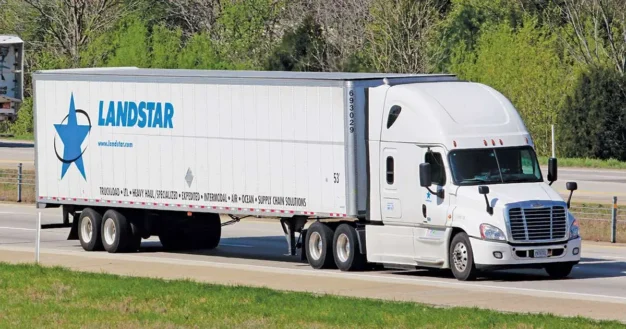
Jansson LLC is a Landstar freight agent with access to a nationwide and cross-border carrier network — including experienced U.S.-Mexico operators who understand border crossing schedules, documentation requirements, and the coordination needed to move cross-border freight efficiently.
Through the Landstar network, Jansson helps U.S. businesses time their cross-border shipments to avoid weekend delays, coordinate the multi-carrier handoffs that every border crossing requires, and build freight strategies that account for the real operational realities of U.S.-Mexico trade.
Contact Jansson LLC today. Let’s make sure your cross-border freight is timed right, documented correctly, and moving with carriers who know the border.