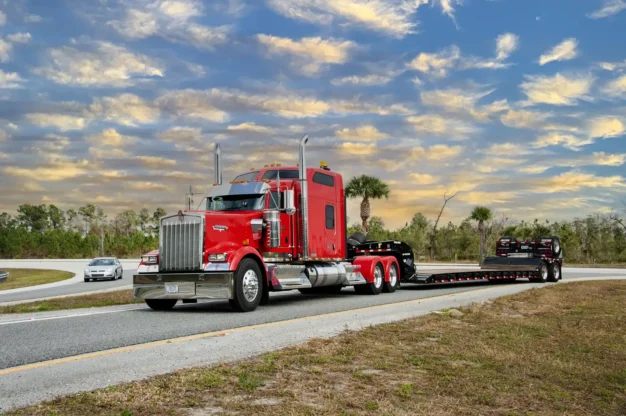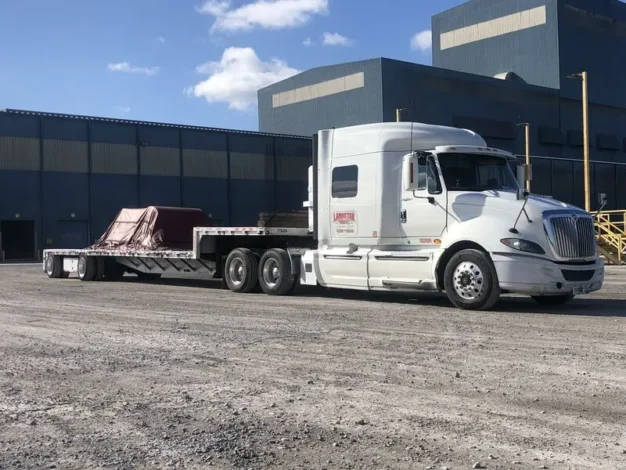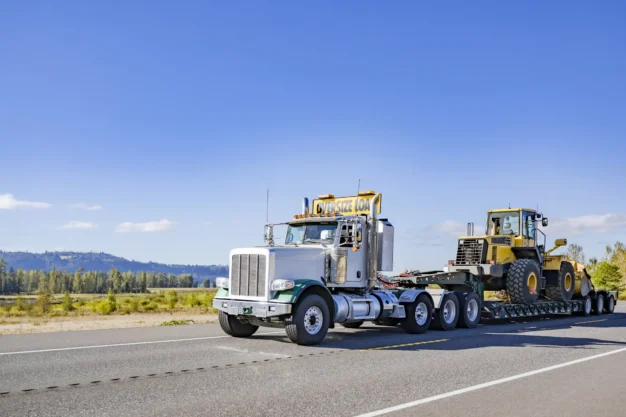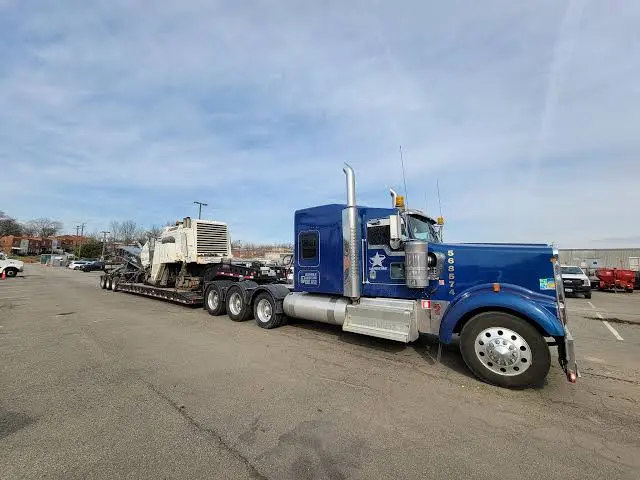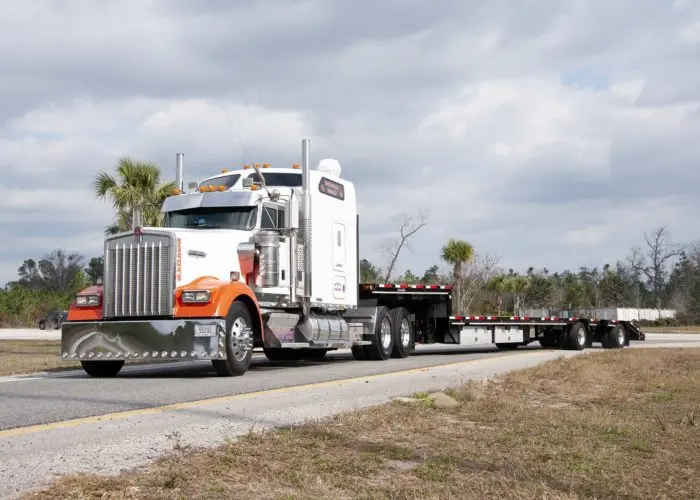
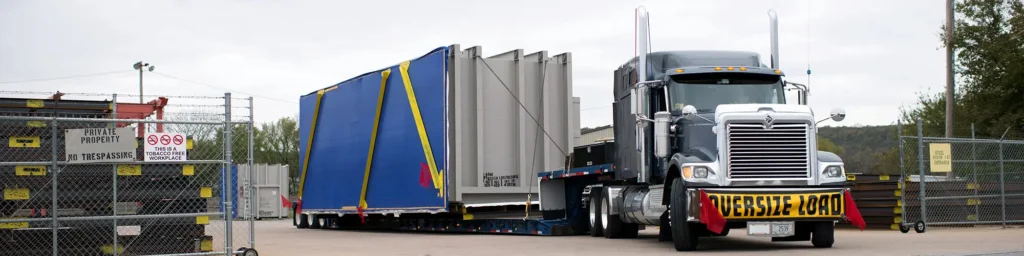
Planning an oversize or heavy haul shipment does not end when the permit is approved. It starts there.
Every state that issues an oversize load permit also controls when that load can move — and those rules are not uniform. Holiday travel bans around Thanksgiving and Christmas are nearly universal. Rush hour restrictions apply in major metropolitan areas across the country. Night travel is prohibited for many load configurations. And superloads — the largest and heaviest freight — face an entirely separate level of scrutiny. Indexed Lab
Miss a travel window. Depart too early. Arrive in a state while a holiday restriction is still active. Any of these stops your freight — sometimes for hours, sometimes for days.
This guide explains what you need to know before the wheels roll.
Why Travel Restrictions Exist
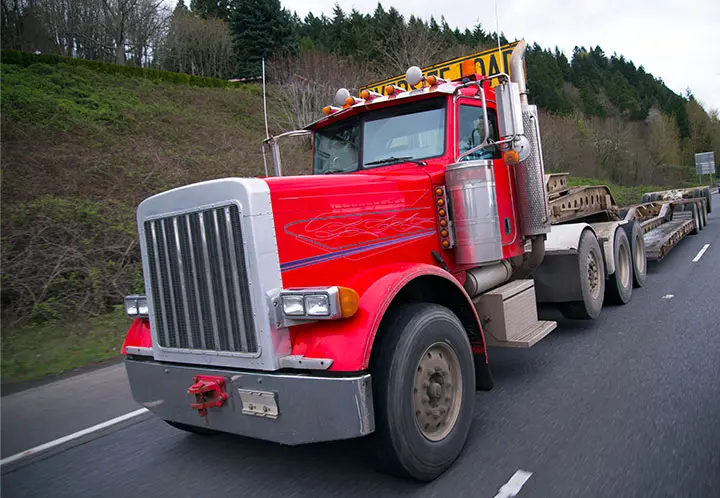
The reasons are straightforward. Heavy and oversized loads need more stopping distance than passenger vehicles. They create blind spots, narrow lanes, and significant road stress. Moving them through rush hour traffic multiplies the risk for everyone on the road.
States also protect their infrastructure. Bridges designed decades ago were not built for modern wind turbine components or mining equipment weighing hundreds of thousands of pounds. Travel restrictions let states control when and where these loads cross vulnerable structures — and under what conditions.
Any load that exceeds 16 feet in width is classified as a superload and is subject to additional requirements. Some superloads may require temporary road closures and the attendance of state police or other law enforcement.
Daylight-Only Rules and Night Travel Restrictions
Most states use sunrise and sunset as their travel boundaries. The standard window is 30 minutes before sunrise to 30 minutes after sunset when escorts are in use — though the specific thresholds vary by load width, height, and length.
Once a load reaches roughly 10 to 12 feet wide, many states mandate an escort or pilot and often limit movement to daylight. Beyond 16 feet, authorities typically demand rolling closures or police oversight.
Washington State is one of the few states that allows night movement for certain loads — but only when the permit explicitly states “Nighttime movement approved,” and only when the load does not exceed 12 feet wide, 14 feet 6 inches high, and 105 feet long.
Night travel that has not been explicitly permitted is a violation — not a gray area.
Rush Hour and Metropolitan Curfews
Beyond daylight restrictions, most states impose additional curfews in high-traffic urban areas.
Ohio prohibits loads wider than 12 feet from traveling through 21 counties during rush hours from 6:30 to 9 AM and 4:30 to 6 PM. Georgia restricts oversize movements during peak hours of 7 to 9 AM and 4 to 6 PM to minimize risks during high-traffic periods.
California maintains separate curfew maps for Los Angeles, Sacramento, San Diego, and San Francisco — each with different restricted windows. Texas requires escorts for loads over 14 feet wide or 90 feet long, with specific rear escort positioning requirements on steep downgrades.
These metropolitan curfews are not always reflected in the standard permit conditions. Shippers moving through major cities need to verify local restrictions separately from the state permit.
Holiday Restrictions
Holiday travel bans catch more shippers off guard than any other restriction — because they extend beyond the holiday itself.
Illinois and Indiana stop oversize movement from noon on December 31 until 30 minutes before sunrise on January 2. California bars permitted freight requiring pilot cars from 4 PM on December 31 to midnight, and again from noon to midnight on New Year’s Day. Massachusetts stops permits from noon on December 31 to noon on January 2.
Many states now ban travel after noon on major holidays and weekends. For a multi-state heavy haul planned around a holiday weekend, these restrictions can add one to three days to the transit time if the route is not planned accordingly.
Escort Vehicle Requirements
Escort requirements are as variable as travel windows — and just as consequential if they are wrong.
Escort vehicles become required in most jurisdictions once a load reaches 12 feet wide, though the exact threshold shifts by state. Ohio requires escorts at 13 feet. Texas demands escorts for loads over 14 feet wide or 90 feet long.
Lead escorts scout ahead for low-clearance bridges, construction zones, and traffic backups. Rear escorts block following traffic and maintain safe distances. The number of escorts required depends on the load’s dimensions — and using the wrong configuration is a compliance violation regardless of whether the permit was otherwise correct.
Washington State demands state troopers for loads exceeding 16 feet tall. Urban areas like Houston charge $150 or more per hour for law enforcement escorts.
Superload Requirements
Superloads — generally defined as loads exceeding 16 feet wide or 250,000 pounds — operate under an entirely separate permitting framework.
Superloads often require special route surveys, on-site engineering sign-off, and additional processing fees beyond standard permit costs. Some states require advance notice of 10 to 14 days or more. Engineering reviews assess bridge capacity and road surface tolerance along the proposed route.
For superloads crossing multiple states, the planning timeline is measured in weeks — not days. Starting the permit process after the equipment is ready to ship is one of the most common and costly mistakes in heavy haul logistics.
How Jansson LLC Helps U.S. Businesses Navigate Heavy Haul Restrictions
Travel-time restrictions and escort requirements are not obstacles you can work around after the truck is loaded. They are planning variables that must be built into the route from the beginning.
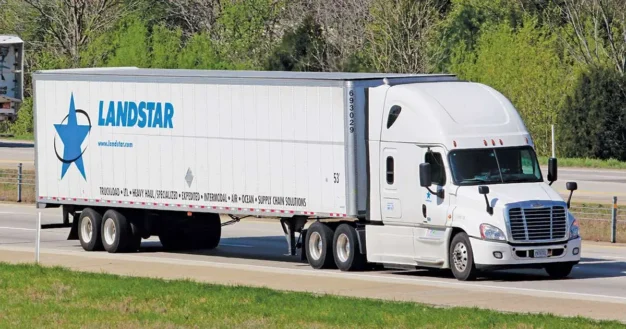
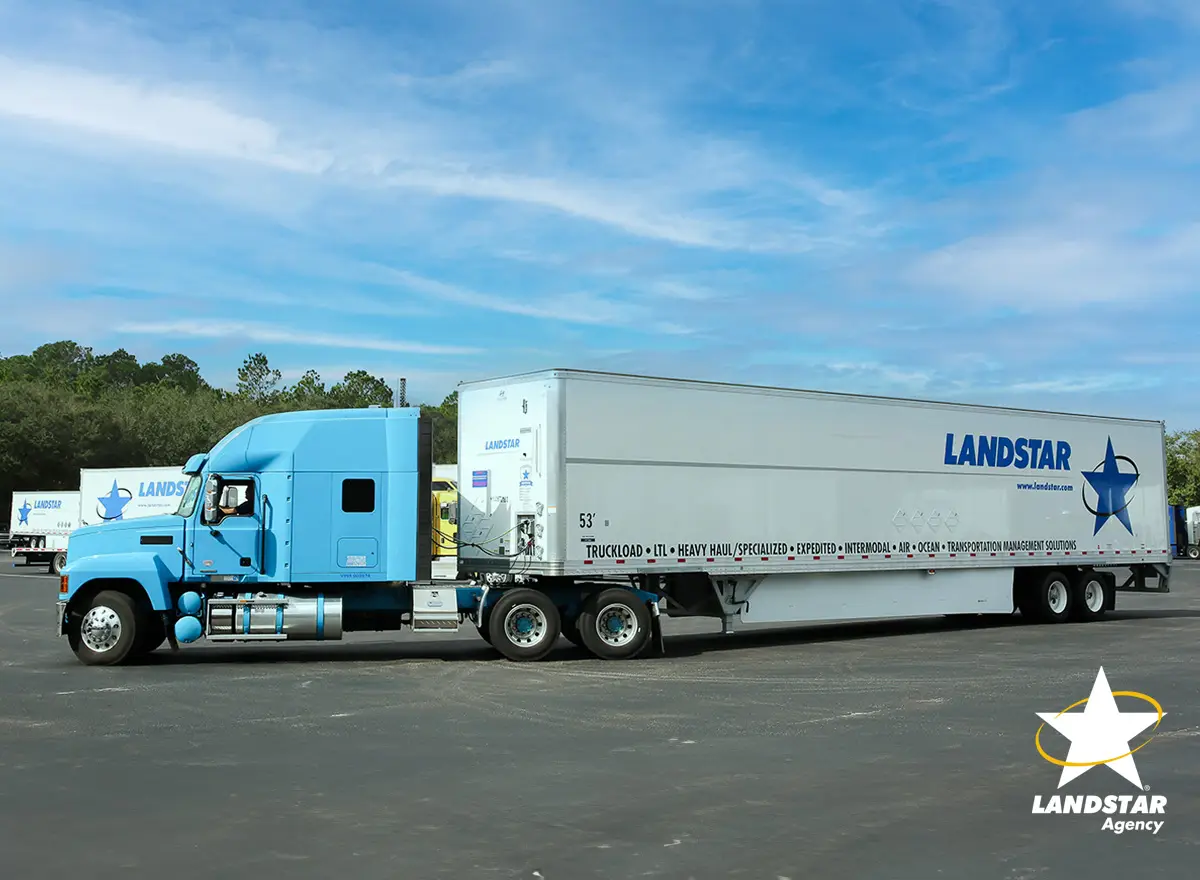
Jansson LLC is a Landstar freight agent with access to a nationwide carrier network — including experienced heavy haul operators who understand state-by-state travel restrictions, escort requirements, superload permitting, and the planning timelines that complex multi-state moves require.
Through the Landstar network, Jansson helps U.S. businesses plan heavy haul routes around travel windows and curfews, coordinate escort vehicles that meet every state’s specific requirements, and move oversized freight on schedule — without the compliance surprises that stop loads at the wrong state line.
Contact Jansson LLC today. Let’s plan your heavy haul route the right way — before the truck is loaded.