Most U.S. shippers assume their cargo insurance covers their freight from pickup to delivery. For cross-border shipments into Mexico, that assumption is almost always wrong — and the financial exposure it creates is significant.
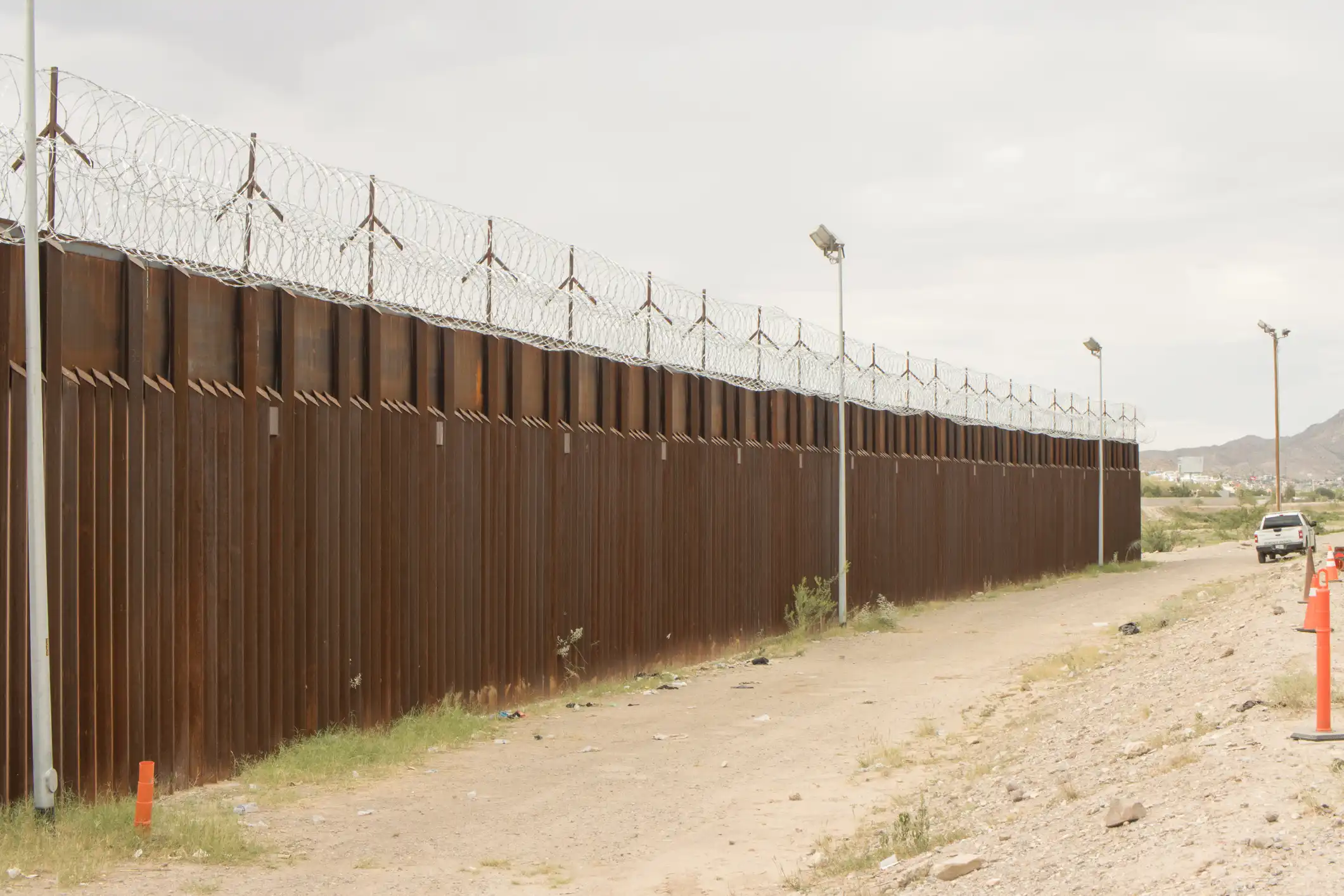
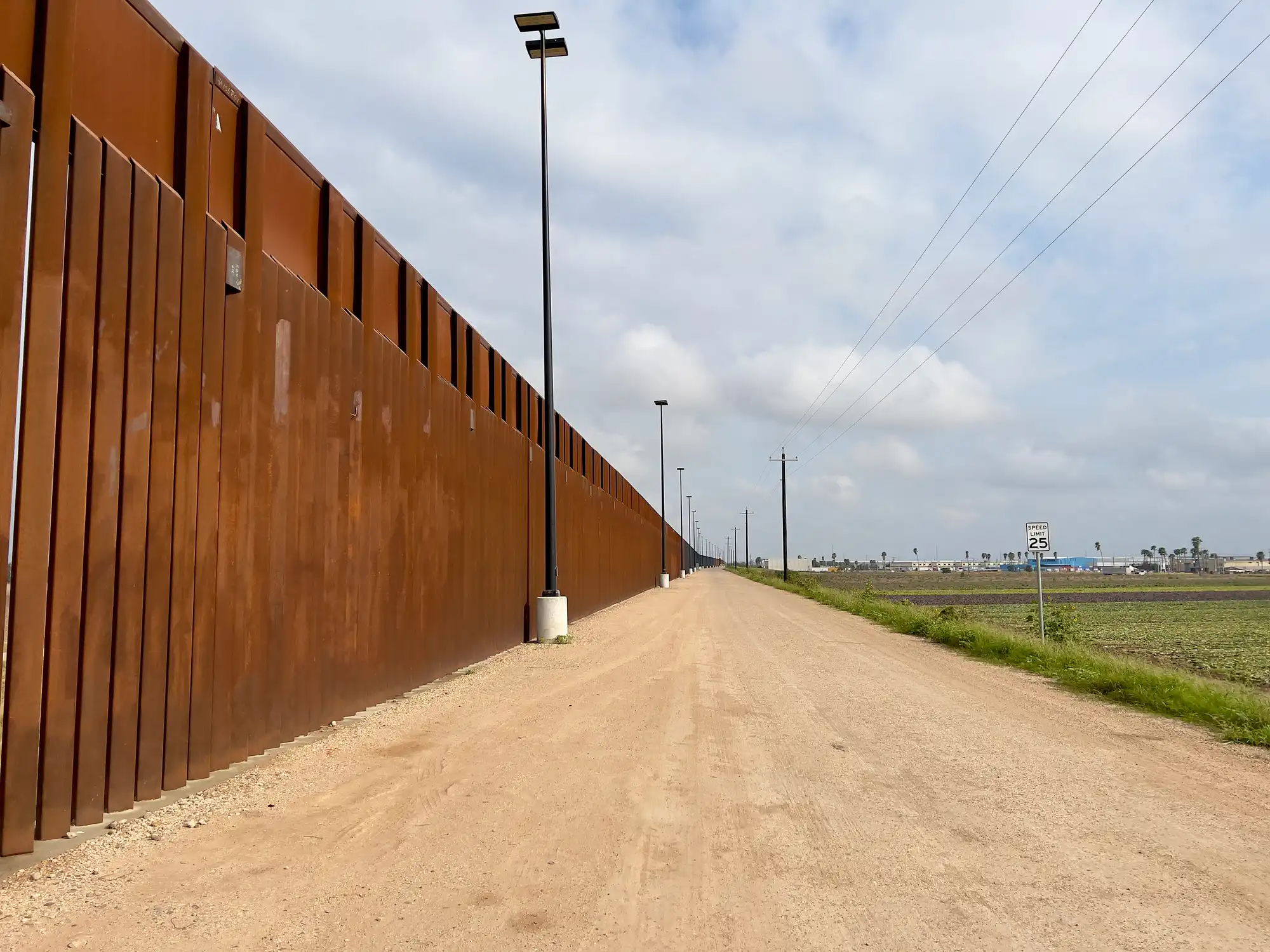
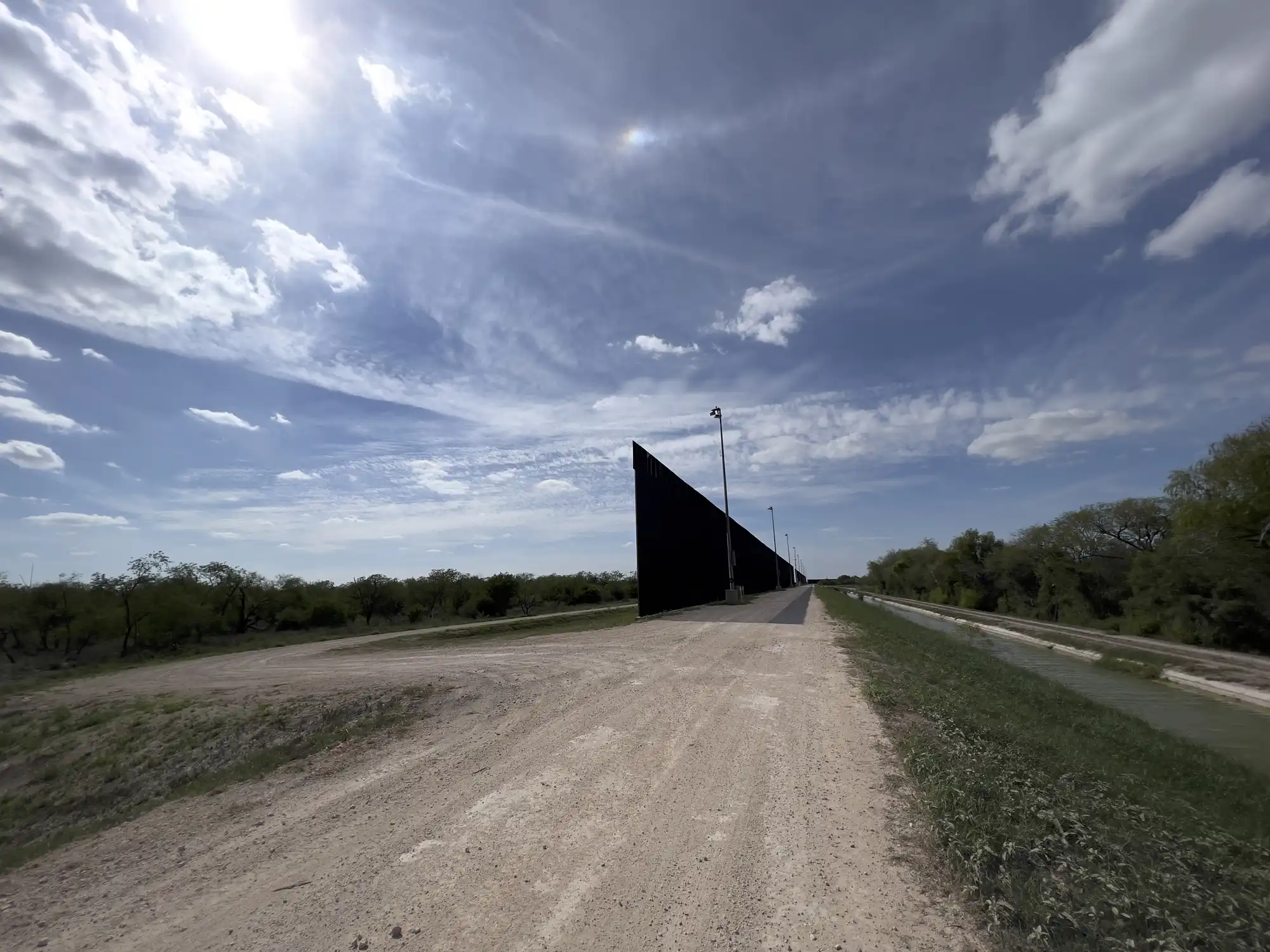
The moment your freight crosses into Mexico, the insurance rules change completely. U.S. carrier liability requirements do not apply. Standard U.S. cargo policies typically do not extend beyond the border. And the carrier hauling your freight inside Mexico may have almost no legal obligation to compensate you if something goes wrong.
Here is what you actually need to know before your next cross-border shipment.
The Coverage Gap Is Bigger Than Most Shippers Realize
In the United States, motor carriers are required to carry meaningful cargo liability insurance. In the U.S., carriers have $100,000 of cargo insurance as a baseline requirement. In Mexico, the law is fundamentally different. Mexican carriers are liable for just 14 cents per pound — capping their responsibility at under $4,000 regardless of the actual value of the load.
That means a shipment worth $500,000 and a shipment worth $25,000 are treated exactly the same way under Mexican law. The carrier is only on the hook for the weight — not the value.
As of January 2025, Mexico’s daily minimum wage was raised to 278.80 pesos — approximately $15.01 USD. Under the Law of Roads, Bridges and Federal Motor Transportation, if a shipper does not declare the value of a shipment, the carrier is only responsible for paying 15 days of the current minimum wage per ton of weight. That translates to a maximum carrier liability of approximately $4,503 USD for a standard 40,000-pound shipment — regardless of the cargo’s actual value.
A $300,000 shipment. A $4,503 maximum recovery. That is the gap U.S. shippers expose themselves to every time they send freight into Mexico without proper coverage.
Why Mexican Carriers Are Not Required to Carry Insurance
This is the part that surprises most U.S. shippers: Mexican carriers are not required by law to carry cargo insurance, and the vast majority do not.
The reason is straightforward. When the maximum liability exposure under Mexican law is under $4,000 per shipment regardless of value, there is almost no financial incentive for a carrier to purchase insurance. The law provides them with a liability cap so low that self-insurance is effectively their default position.
This is fundamentally different from the U.S. system — and it is why relying on the carrier to cover your freight in Mexico is not a viable strategy for any shipment with meaningful value.
What Happens to Your U.S. Policy at the Border
Standard cargo coverage offered by a U.S.-based freight carrier typically does not extend beyond the border. Most U.S. domestic cargo policies are written specifically for transportation within the United States. International coverage, if it exists at all, is usually an add-on — and Mexico-specific coverage is not always included even then.
Many shippers discover this only after a loss occurs. By then, the freight is damaged or missing, the Mexican carrier’s liability is capped at a fraction of the actual value, and the U.S. policy does not apply.
The industry standard for freight brokers on cargo liability in Mexico has historically been that brokers will move the freight — but shippers must sign a waiver of liability for anything that happens once it crosses the border. In practice, this means the shipper absorbs the loss.
The Three-Carrier Reality of Cross-Border Shipping
Understanding the insurance gap requires understanding how cross-border freight physically moves.
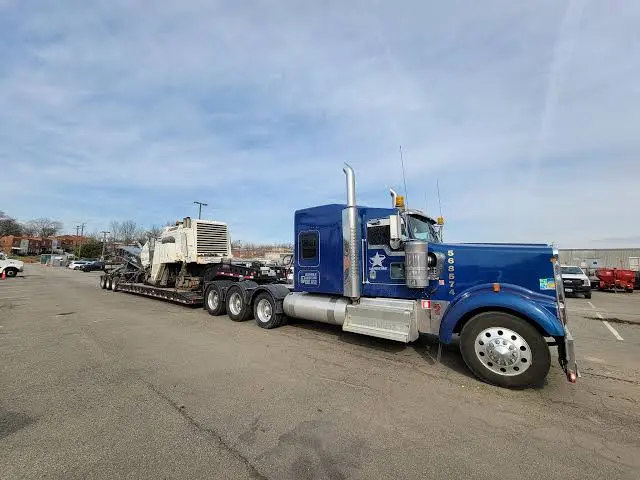
By Mexican law, a U.S. carrier’s tractor can only travel 26 kilometers inside the Mexico border. Mexican carriers face similar restrictions in the United States. As a result, U.S. carriers pick up and deliver on U.S. soil, and Mexico carriers pick up and deliver within Mexico.
This means almost every cross-border load involves at least three carriers: a U.S. carrier on the U.S. side, a drayage carrier crossing the border zone, and a Mexican carrier for inland delivery. Each transfer point is a potential coverage gap — and the Mexican portion of the journey is the one with the least protection.
What You Actually Need
Proper cross-border cargo protection requires a separate shipper’s interest insurance policy that specifically covers your freight while it is in Mexico.
A shipper’s interest cargo insurance product pays the shipper directly for the full value of the loss — then seeks reimbursement from the carrier afterward. This approach ensures you are not waiting on a Mexican carrier’s limited liability coverage to resolve your claim.
Industry experts recommend aligning cross-border freight cargo insurance with a provider based in the U.S. — so that claims are resolved under U.S. jurisdiction rather than through the Mexican legal system.
Before your next cross-border shipment, ask your current insurance provider three specific questions: Does your policy cover cargo while it is physically in Mexico? Does coverage extend to all three carriers involved in the cross-border movement? And are claims resolved under U.S. jurisdiction?
If the answer to any of those is no — or unclear — you have a gap that needs to be addressed before freight moves.
How Jansson LLC Helps U.S. Businesses Ship Cross-Border
Cross-border shipping into Mexico involves more complexity than most domestic freight — in carrier coordination, documentation, customs compliance, and insurance coverage.
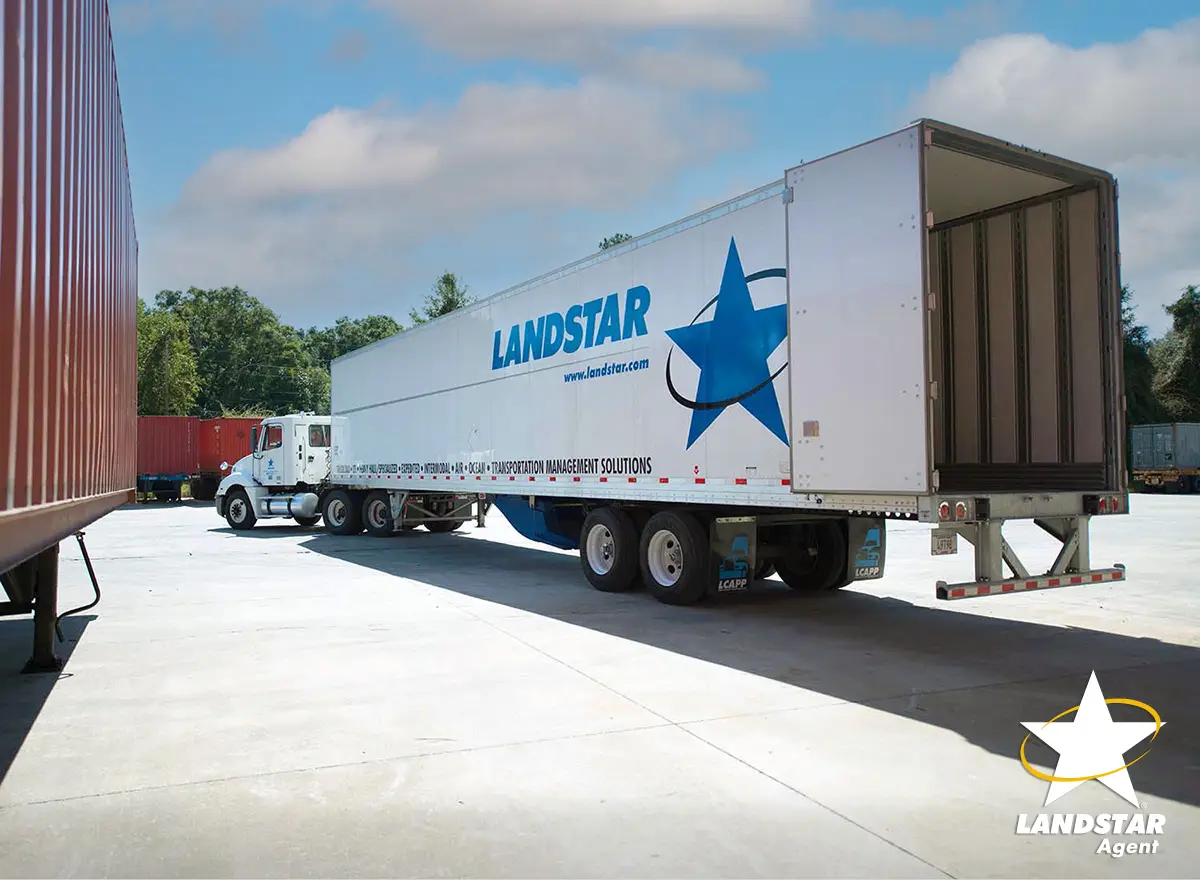
Jansson LLC is a Landstar freight agent with access to a nationwide and cross-border carrier network — including experienced U.S.-Mexico operators who understand the documentation, handoff procedures, and insurance requirements that cross-border freight demands.
Through the Landstar network, Jansson helps U.S. businesses coordinate cross-border shipments with carriers who understand the border environment, identify the insurance gaps that standard U.S. policies leave exposed, and move freight into Mexico with the same confidence and visibility they expect on domestic lanes.
Contact Jansson LLC today. Let’s make sure your cross-border freight is properly covered — from the moment it leaves your dock to final delivery inside Mexico.